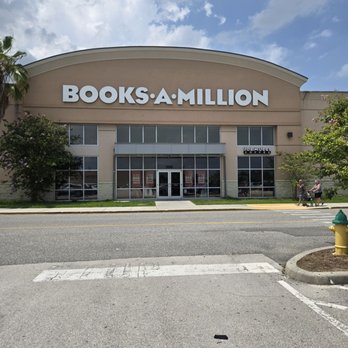
Books-A-Million Photos


You might also consider


More like Books-A-Million
Recommended Reviews - Books-A-Million
Start your review...




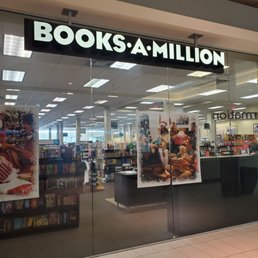
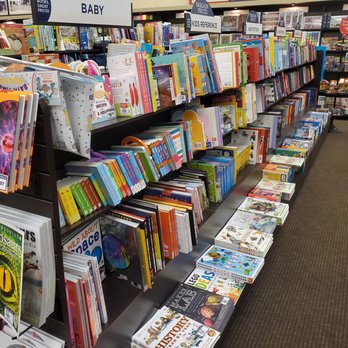
I'm always down for going into a book store and enjoying browsing all the offerings. This chain has always been a personal favorite as they are good at having a ton of variety, both with books and just general merchandise. it's attached to the mall which has seen better days, but this store is a good place to kill a bunch of time and enjoy a book or two. We got a fun board book for our little and they have a great kids section for anyone interested in that. They also offer a cafe if you want a quick coffee or snack. Overall: A+ Gotta love a great book store! read more


This is pretty much the coffee shop for the mall now. They do a great job with regular coffee and all of the specialty coffees as well. They also have hot tea and they can do anything in a cold form as well. read more


3 years ago

2 years ago

3 years ago
5 years ago
This place has great collection of bibles for adults and children. I couldn't believe their selections When I was there, a lot of people were looking into bibles, devotionals and inspirational books. Loved their spiritual gifts & other quirky cute items. read more


13 years ago
7 years ago

9 years ago
I have become a book junkie!! I get such a warm feeling when walking into this store! Books! Books everywhere!! Hard covered novels are my current go to. When trying to decide what to drop my paycheck on, I'm always sure to ask some of the staff their opinions first. They haven't done me wrong yet! This particular location has a bakery and coffee area too. How cute!? Sipping coffee and previewing books on a Sunday morning? Yes please! The store has a clean smell which anyone can appreciate. I love this books a million and will continue to make frequent stops in! read more


5 years ago

7 years ago

12 years ago

8 years ago
12 years ago

11 years ago
14 years ago
10 years ago
More info about Books-A-Million
1700 W International Speedway Dr
Daytona Beach, FL 32114
Directions
(386) 226-0122
Call Now
Visit Website
http://www.booksamillion.com
Hours
Payment methods
Outdoor Amenities