Bird Island Pier Photos



You might also consider

More like Bird Island Pier
Recommended Reviews - Bird Island Pier
Start your review...


Reviews With Photos


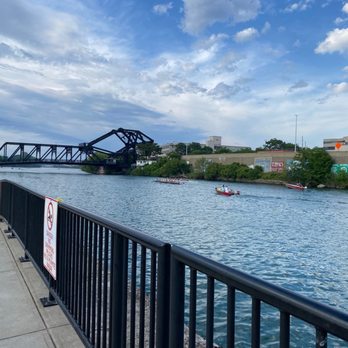
While vacationing in Niagara Falls. we visited Buffalo. We spotted this pier from the highway and a quick online search helped us find it. It was well worth the stop! We parked at the nearby parking lot and walked to the bridge. At that point, the pier was "closed" although others had opened the fence to continue walking. We saw several rowing teams practicing on the canal, and people fishing, relaxing, and hanging out. Don't miss it if you're in the area!


A great place to go running in buffalo. A really cool view of Canada and the bridge to enter it.


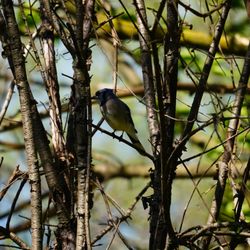
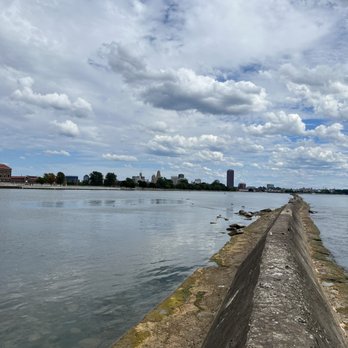
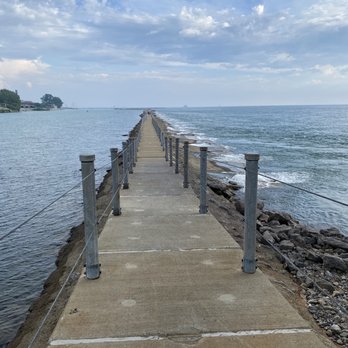
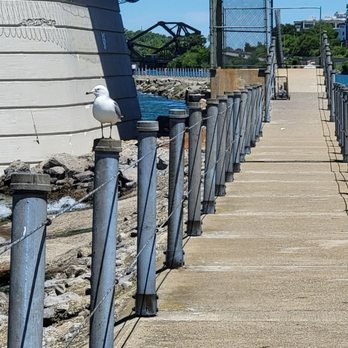
With breathtaking views of Lake erie and the peace bridge, this pier should not be missed.Be careful of the cracks and uneven pavement. You can enjoy the beautiful waves and boats going by, it's so relaxing. The cool wind is so refreshing on a hot day.Plus you'll see many birds ,as it lives up to its namesake.Theres also a huge lot with free parking.


Great place for a walk especially on a hot day, just be careful of the uneven pavement. Beautiful views of the water and peace bridge.Plenty of birds it lives up to its name.Theres also plenty of free parking.


Wow. I always wondered how to get to the walkway on the water when driving down the highway in Buffalo. Finally googled until I found an article about Bird Island Pier that explained how to get to the park (Broderick Park). It can be reached from the intersection of Niagara and Ferry. What a lovely walk out on the water culminating in a great view. The sounds of wind and waves greet you as soon as you get a short way out. We watched gulls fishing and retrieving small fish from the water. There were also herons, ducks and geese along the way. While it was warm day, the wind kept us comfortable on the long walk. The far end of the pier is obviously less frequented and there were geese lounging on the walkway. (And lots of goose crap). So wear tennis shoes!


I've been wanting to walk the Bird Island Pier since I first moved to Buffalo a year ago and I finally remembered to do it! I came here on Sunday just before sunset and spent a solid hour and a half walking to the end and back of this beautiful pier. From the moment you start the walk you are surrounded by the peaceful sounds and waves of Lake Erie. Throughout the walk you get to walk under the Peace Bridge, get a good view of Fort Erie, and even a nice view of the Buffalo sky line at the very end. Overall, this is a beautiful walk that I would recommend to anyone who lives in Buffalo or is even passing through, you won't regret it!


Saw this pier while driving back from Niagara Falls. Most of the local Buffaloians do not know he name of it so it was really hard to figure out what this actually was. Recommend putting in Broderick Park for exact location for your gps. I went here on a July morning and it was beautiful. The breeze was blowing and the pier was long enough for you to decide when to turn around. I made my decision when a duck family was sitting on the pier walk Way and claim it as their territory. There were many that took the challenge but not I .


2 years ago

Love the walk of Bird Island Pier. The birds really are super cool, and are willing to let people get pretty close. If you turn off your music, the sound of rushing water is extremely relaxing! I'm sad they haven't fixed the walking path. read more


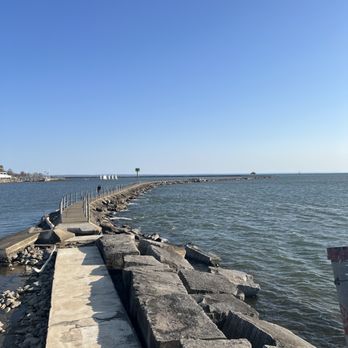

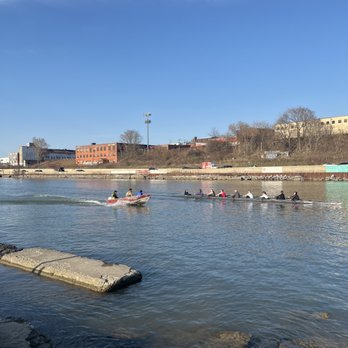


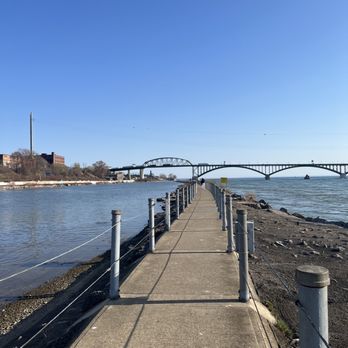


While vacationing in Niagara Falls. we visited Buffalo. We spotted this pier from the highway and a quick online search helped us find it. It was well worth the stop! We parked at the nearby parking lot and walked to the bridge. At that point, the pier was "closed" although others had opened the fence to continue walking. We saw several rowing teams practicing on the canal, and people fishing, relaxing, and hanging out. Don't miss it if you're in the area! read more





5 years ago
A great place to go running in buffalo. A really cool view of Canada and the bridge to enter it. read more


4 years ago
With breathtaking views of Lake erie and the peace bridge, this pier should not be missed.Be careful of the cracks and uneven pavement. You can enjoy the beautiful waves and boats going by, it's so relaxing. The cool wind is so refreshing on a hot day.Plus you'll see many birds ,as it lives up to its namesake.Theres also a huge lot with free parking. read more




4 years ago
Great place for a walk especially on a hot day, just be careful of the uneven pavement. Beautiful views of the water and peace bridge.Plenty of birds it lives up to its name.Theres also plenty of free parking. read more





9 years ago
Wow. I always wondered how to get to the walkway on the water when driving down the highway in Buffalo. Finally googled until I found an article about Bird Island Pier that explained how to get to the park (Broderick Park). It can be reached from the intersection of Niagara and Ferry. What a lovely walk out on the water culminating in a great view. The sounds of wind and waves greet you as soon as you get a short way out. We watched gulls fishing and retrieving small fish from the water. There were also herons, ducks and geese along the way. While it was warm day, the wind kept us comfortable on the long walk. The far end of the pier is obviously less frequented and there were geese lounging on the walkway. (And lots of goose crap). So wear tennis shoes! read more


I've been wanting to walk the Bird Island Pier since I first moved to Buffalo a year ago and I finally remembered to do it! I came here on Sunday just before sunset and spent a solid hour and a half walking to the end and back of this beautiful pier. From the moment you start the walk you are surrounded by the peaceful sounds and waves of Lake Erie. Throughout the walk you get to walk under the Peace Bridge, get a good view of Fort Erie, and even a nice view of the Buffalo sky line at the very end. Overall, this is a beautiful walk that I would recommend to anyone who lives in Buffalo or is even passing through, you won't regret it! read more


9 years ago
Saw this pier while driving back from Niagara Falls. Most of the local Buffaloians do not know he name of it so it was really hard to figure out what this actually was. Recommend putting in Broderick Park for exact location for your gps. I went here on a July morning and it was beautiful. The breeze was blowing and the pier was long enough for you to decide when to turn around. I made my decision when a duck family was sitting on the pier walk Way and claim it as their territory. There were many that took the challenge but not I . read more


10 years ago

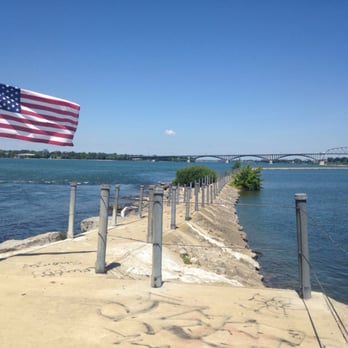
I can't believe I've missed this view my whole life. Best way to get here: Park at Unity Island Park and make the complete walk, passing through Broderick and onto the Pier. You'll hit the end of the Pier within an hour. It's a lot of walking but I don't know of an easier way to get to the end of the Pier without it taking some time (from the nearest access point, Broderick Park, it takes 25 minutes to reach the end of the pier, so make sure you do this trek with enough time to complete it. As Fox said, there's only one way back.) The views, the walk, the gushing water, the sun beating down on you, passing under a bridge that connects two countries... it's all a part of this amazing experience right on this pier. You'll have to dodge your fair share of geese droppings, but again, all part of the experience. This is BIRD Island Pier... who do you think runs this place?! ;) Let's talk about the views. You get a decent view of Buffalo, but I think the best view is looking back at the Peace Bridge and how far you walked to get there. Also looking beyond the pier, you can see the windmills off of Route 5 churning in the distance. I was mesmerized and stared at the twisting mill. How amazing! How beautiful! Something I passed by in the car was now being looked at from a different perspective. There's not really a walk like this one in Buffalo. You get all of the views and feel the heart of the city, all in one walk. It's special, and kind of hard to articulate. I would encourage any person to make the walk, be it a tourist or a lifelong resident. It takes awhile to get to the end, but well worth it. I'd recommend the walk with a loved one... I'm sure you'll have your own introspective thoughts that will flow easily with a significant other. It's that kind of place. If not with a loved one, the walk is great alone as well. Sometimes, becoming self-aware of the beauty around you is just as important as experiencing it with a loved one. read more



10 years ago
More info about Bird Island Pier
Niagara River
Buffalo, NY 14213
Directions
Hours
Indoor Amenities
Outdoor Amenities