Barcode Photos


Recommended Reviews - Barcode
Start your review...


7 years ago
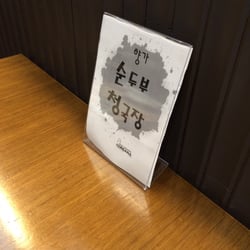
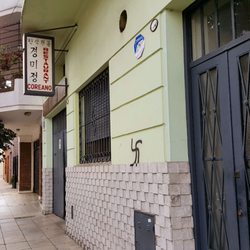
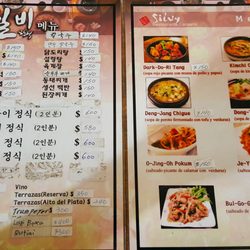
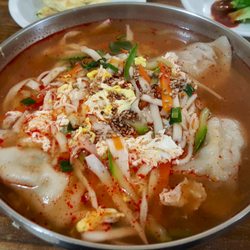
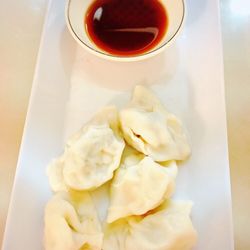
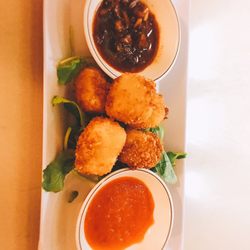
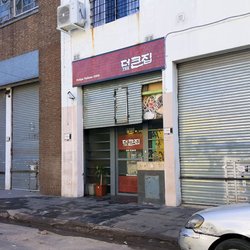
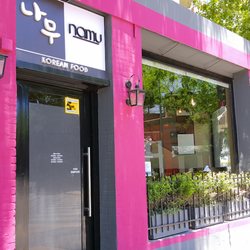
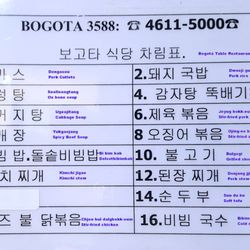
You remember that little alleyway that I've now mentioned a couple of times? A place that just a year or two ago was filled with rundown houses and broken up cobblestones? Ruperto Godoy. Now populated by a cafe, two bars, a shabu-shabu bar, a Korean fried chicken place, a Chinese-Korean jungwha yori spot, a fancy looking sushi bar, and now, a spot for traditional Korean cooking that just opened last month. So, during my near month of basically not posting, without getting into details, I had a lot of free, stuck at home time, and I decided to teach myself the Korean alphabet. I can't read Korean, but I can now read the letters and sound out the names of the dishes on menus that don't have translations. So far it seems, about 2/3 of the time, that gives me enough to know the dish, just based on all the various Korean dishes I know. There are always going to be some that I don't have a clue, and have to ask. Luckily, at this place, the woman who runs it, speaks flawless Spanish, and was happy to help us over the humps. The menu changes regularly - I'd snapped a photo of it a month earlier when they first opened, and only two of the dishes were the same from then to this visit. Slightly disappointing, the only "ban chan" on the table is daikon kimchi. That's more typical of the Chinese-Korean spots, but, so be it. We did ask and ended up getting a bowl of classic cabbage kimchi as well. As most of you know, I could live on dumplings. So a hand-torn noodle (sujebi) and dumpling (mandu) soup (guk) was right up my alley. Bubbling hot, laced with whisked eggs, plenty of noodles, and a trio of quite good dumplings. The broth a bit bland, but I asked for a little chili sauce (gochujang), and she went back into the kitchen and brought me out the cook's chili paste (gochugaru)...to use as much of it as I wanted, and then retrieved it a little later to return to the kitchen. Both of my lunch companions decided to order the same dish (that's just wrong when we're trying a new place, and they know it... but what can I do?). Chiseo kimchibap... I knew that kimchibap meant kimchi rice, usually like a fried rice. But the first word, no clue - turned out to mean cheese when we asked her. I'm guessing that's more or less a transliteration from English given the way she pronounced it. I can't say that this was the dish we expected, it turned out to be a big block of gooey, melted cheese, wrapped in a crust of kimchi rice and fried. Sort of like a giant mozzarella stick, Korean style. It was tasty, but a whole lot of cheese. Might be better for a table to split one as an appetizer. And though the pickled daikon accompanying it was a nice foil to the richness, I'm not sure the little pile of corn did much for it. Both plates, 300 pesos, a mere $5.45, each. Very reasonable. And, good food. I'd go back. At the same time, this spot is only a block away from one of my favorite little hole in the walls for traditional Korean food, Dae Jang Geum, and which is a better deal, and only a couple of blocks from others, like Singul Bongul, Bogotá, and Doma. Still, it fills in a nice niche on this alleyway. read more
More info about Barcode
Felipe Vallese 3135
C1406 Buenos Aires
Argentina
Flores
Directions
Hours
Food & Alcohol
Outdoor Amenities
Other Amenities