Blind Barber Philadelphia gave me one of those rare nights that arrive just as a chapter of life is…read morequietly closing. My sister-in-law and I were both in our mid-to-late thirties, with hundreds of club nights behind us, and we arrived early enough to order espresso martinis and claim a small spot. From there, we watched the venue gather momentum as a diverse crowd filled in, the DJ played the kind of hip hop I prefer, and the energy became sexy and physical while remaining tasteful. After nearly 20 years of going out, I felt like an elder watching the torch pass to the next generation, and that perspective is part of what makes Blind Barber meaningful to me.
From the first interaction at the entrance, the staff established a sense of safety and welcome. The bouncers were mellow, nonjudgmental, and clearly there to protect the night rather than spoil anyone's fun. Door staff set the emotional temperature of a club because hostility outside follows people in and compounds as the liquor begins to flow. Blind Barber started with warmth, and the crowd responded with friendliness, looseness, and a genuine openness to meeting one another.
Back in 2009, Jason Battle gave my friend Ross and me our first DJ gig at Plan B, the slightly seedy space on the north side of Tompkins Square Park that would later become the original Blind Barber. You might occasionally spot a dead roach on the black-and-white tile floor; the back storage areas were a free-for-all, and the neon lighting had likely never passed through expert hands. It felt like an organic house party elevated a few notches, which was exactly why we adored it. We were initially too broke to buy a Serato box, but after the parties began drawing attractive crowds, earning enthusiastic feedback, and somehow making us money, we finally bought one.
Plan B became both a launching point and a gathering place for DJs who wanted to do bigger things. Sam French was perhaps the clearest example, and I followed him for years as he rose into major gigs around the world, but the wider orbit also included Blu Jemz (RIP), Terry Urban, Omri S. Quire, and people connected to the Fool's Gold and A-Life ecosystems. You could also encounter DJs such as Ayres and Eleven from The Rub, whose legendary parties we attended at Southpaw in Brooklyn, along with many other creative people moving through downtown nightlife. At the same time, Meatpacking District bottle-service clubs were booming, but their atmosphere often felt constructed by promoters, while wealth and expense accounts set the vibe.
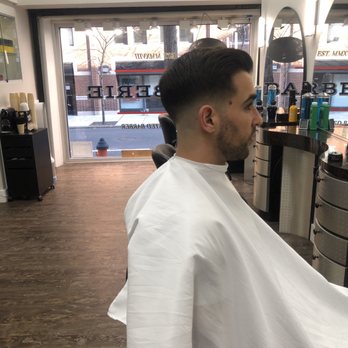
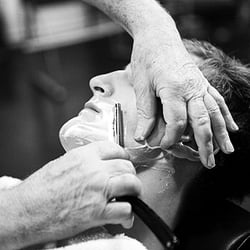
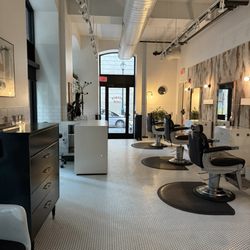
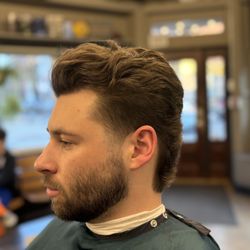
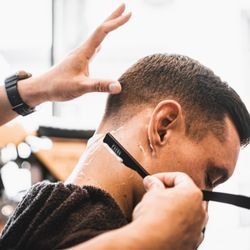
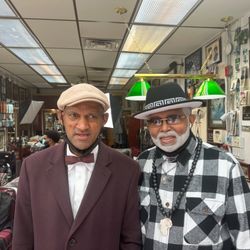
Around that period, I was getting my hair cut at F.S.C. Barber on Freeman Alley and spending my nights at Plan B. Jeff Laub, Josh Boyd, and Adam Kirsch made the brilliant move of combining those experiences in the former Plan B space, creating a barbershop by day and a social destination after dark. The formula makes financial sense in expensive cities because the business earns money across more hours, while the genuinely local barbers and staff become a social magnet, promoting the place without making it feel like it's being promoted. That combination of commerce, culture, and local credibility is much harder to create than it looks.
Now in my early forties, after traveling widely, having children, and doing a lot of living, it is deeply satisfying to see Blind Barber carry that spirit into Philadelphia and other cities without losing the original idea. If I were young and single, this is where I would come to hang out, meet someone, and hopefully get lucky; nearly 20 years ago, I did exactly that in its earliest incarnation. The concept is smart, social, and genuinely fun, and I honestly have a hard time imagining why anyone would dislike it. Blind Barber understands that the best nightlife is built around good music, interesting people, and the possibility that something unexpected might happen.