Aurora Womens Pavilion Photos
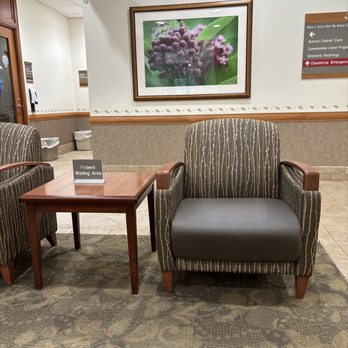

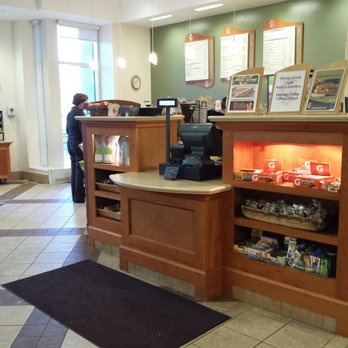
You might also consider


More like Aurora Womens Pavilion
Recommended Reviews - Aurora Womens Pavilion
Start your review...



My first mammogram went so much better than expected! I was early for my appointment and they took me early. I wish I could remember the name of the woman who worked with me, it was either Jodi or Audra. I know very different names from one another but it is was stuck in my mind. She guided me through what to expect, updated my family history and file. She was so descriptive throughout the whole exam of what was happening. She made all my nervousness go away and I was as comfortable as one can be during this kind of exam. She let me know to tell her if I experienced any pain. No pain, just some discomfort but nothing unbearable. read more

5 months ago


10 months ago
3 years ago
5 years ago

The farther up the hierarchy of healthcare, the better this place is. The physicians, social workers, psychologists and professional level is elite and excellent. The paraprofessional level of nurses and technicians are very good, except for the insidious deterioration of manners (Mr. Rohan indeed, staff needs a lesson in titles, first and last names, and civility above a first grade level). At the very front end, however, there seems to be a lack of customer service, at both the level of politeness and competence. To get in here you have to pass muster through a series of non-medical layers of phone calls where the primary interest is whether patients can pay, it's brazenly mercenary. The institution seems to never have heard of email, Google Calendar, or Internet technology in general. There's an assumption patients and family do not work, which seems somewhat counterproductive when shaking down the very same people for insurance money. When you enter, there's a desk of volunteers who are not very good at giving directions and yet, that seems to be what they are there for. Then there are these registration desk people who can be very unwelcoming, but this may depend on how one looks, if you know what I mean. In case you were wondering, I was wearing a suit. The valet parking is free, but I would bring a 5 for tip, it's not that fast but much faster than trying to figure out the tight parking garage. I really like the coffee shop, they have some healthy choices, the prices are reasonable and it's actually a pretty good place to get some work done while waiting and trying not to worry. read more

10 years ago

12 years ago
9 years ago
11 years ago
More info about Aurora Womens Pavilion
Ask the Community - Aurora Womens Pavilion










Why does Yelp recommend reviews?
2 reviews that are not currently recommended
The reviews below are not factored into the business's overall star rating.
7 months ago

7 months ago


