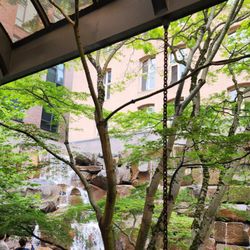
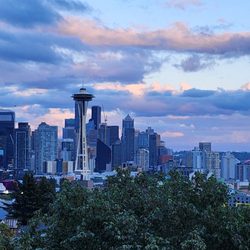
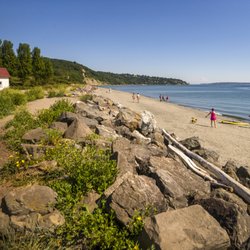
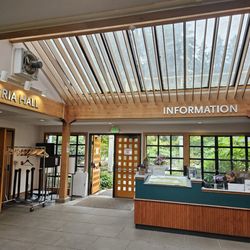
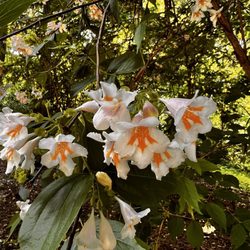
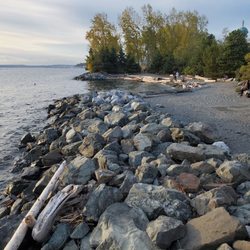
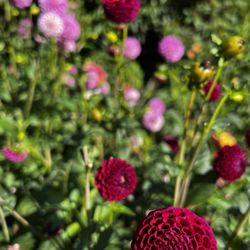
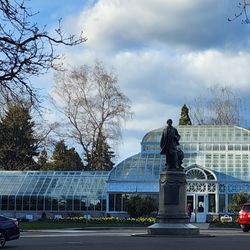
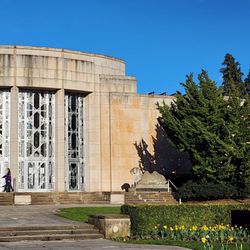
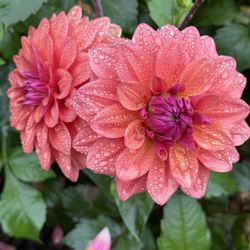
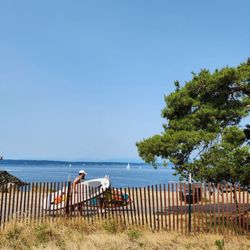
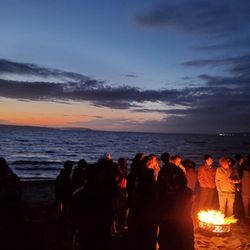
Union Bay Natural Area Photos


You might also consider


More like Union Bay Natural Area
Recommended Reviews - Union Bay Natural Area
Start your review...


Reviews With Photos


I absolutely LOVE this place!! I will be planning multiple visits here over the summer. If you want to enjoy the outdoors and be out and about walking around while enjoying multiple scenery variations in one big area of land this is definitely the place!! It's about 50 acres which is awesome! I recently got into bird watching with my boyfriend and this was seriously the spot! It's not very crowded and it's very secluded all while being in the open of the bay on the edge into Lake Washington. There was plenty to enjoy, tons of benches when you want to stop walking and watch the birds or creep on the people out on their boats LOL. There was a ton of dragonflies and butterflies out which was super cool to see. Tons of wild bunnies out roaming in the grass. Unfortunately the visitor center was closed when we went so the bathrooms were closed so plan ahead for that. Make sure you bring your binoculars, water bottle, and snacks if you want to hang out there for the day!


A great short hike through the wetlands, close to U of W. Lots of bird watching opportunities, seeing lots of ducks, hummingbirds, raptors, and other water loving birds and creatures. A cool spot of nature, between lake Washington, Washington State Arboretum, and the University. Looking forward to coming back, when the ice is gone, and enjoying a sunny breezy day by the lake. Easy hike with lots of food and drink opportunities close by. Yelping on, Cheers! read more



I love, love, love the nature! I love walks. Urban walks that make you feel like you've left the city hold a special place in my heart. The only bit that bothered me a little was related to this park being situated on an old landfill. I hear those leak eventually, and it was a little disturbing to see a couple of puddles of oil on the ground and some slightly unusual bubbles coming from the creek. I definitely prefer parks and trails to development and blocked off unused space, so... I guess this is as good as it gets for such a space. read more


This was a nice easy nature walk we did before leaving for the airport. It was a rainy day and I had a great time exploring this haven near the University of Washington. If I were a student at the school, I'd definitely go running here. When I went by the water, I saw the cutest ducks and I swear I could tell that they were genuinely happy by their wiggles in their tails. So adorable. Highly recommend this serene spot for a wind down after a good meal or when you want to douse yourself in nature and be near the water. read more


I absolutely LOVE this place!! I will be planning multiple visits here over the summer. If you want to enjoy the outdoors and be out and about walking around while enjoying multiple scenery variations in one big area of land this is definitely the place!! It's about 50 acres which is awesome! I recently got into bird watching with my boyfriend and this was seriously the spot! It's not very crowded and it's very secluded all while being in the open of the bay on the edge into Lake Washington. There was plenty to enjoy, tons of benches when you want to stop walking and watch the birds or creep on the people out on their boats LOL. There was a ton of dragonflies and butterflies out which was super cool to see. Tons of wild bunnies out roaming in the grass. Unfortunately the visitor center was closed when we went so the bathrooms were closed so plan ahead for that. Make sure you bring your binoculars, water bottle, and snacks if you want to hang out there for the day! read more


A difficult place to review, as there's not much to compare to. To convert a landfill to a park is something else. I find it entertaining the masses of lush plant life growing everywhere that they need to remove for wildlife restoration projects, not sure I get it. A great place to enjoy some local wildlife with nice gravel trails, I always park @ the UW Botanic Gardens. read more




17 years ago

16 years ago


More info about Union Bay Natural Area
3501 NE 41st St
Seattle, WA 98127
University District
Directions
Hours
Outdoor Amenities