The Attachment and Trauma Center of Omaha (ATCN) provides excellent mental health services to…read morepeople in need. ATCN's team of board-certified therapists, social workers, and EMDR-certified and DBT-certified practitioners consistently provide quality care. I've been working with ATCN for about 2.5 years. I work locally in social services, and ATCN gives me hope. I hope Omaha continues to gain more professionals and centers like ATCN, to better aid the many people and families seeking care.
ATCN in a nutshell:
-- ATCN is a multi-faceted center, led by therapists offering: one-on-one therapy; couples therapy; family therapy; group therapy (programs such as DBT skills group, and Wings Foundation trauma recovery); specialized care for families needing help with attachment challenges between children/youths and parents/caregivers, etc.
-- Through my work in the community, I know multiple clients who've benefitted from - and continue to benefit from - ATCN's professionals and programs. Strong reputation among clients and community programs.
Why ATCN is unique:
-- ATCN's care team practices mental healthcare, from a trauma-informed and attachment theory perspective. This skillset is well-researched and highly effective, yet it's not greatly practiced in the Midwest.
-- Multiple therapists at ATCN are certified in EMDR treatment. This is one of the most effective interventions in the field of trauma recovery. EMDR professionals receive years of training, and are in high demand. There are only a handful in NE.
Seeking care:
-- Learning more: their website is a great resource to learn more about ATCN overall. Some key info: research individual therapists (specialities, contact info, etc.); upcoming events; learn about group therapy options.
-- Each therapist and group program have individualized rates per session. To figure out coverage, you'll need to connect with the therapist directly. Ask about his/her rates, which insurances she/he accepts, and confirm with your insurance provider.
Clinic location & design:
-- *Helpful tip!* Driving directions: If you're trying to drive to the clinic - for some reason, GPS systems struggle to find this place. It's best to enter the address of the Social Security Building (which is across from ATCN, divided only by a green patch and some trees). The ATCN is next door to a small photography studio.
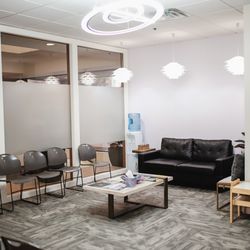
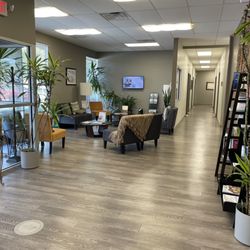
-- Clinic's set-up: When you walk in: there isn't a reception desk or a staff member to greet you. You walk in, and it leads directly to the sitting area. So, if you're hoping to pop-in and talk to someone, this method isn't feasible. You'll need to make an appointment ahead of time, by coordinating with the therapist you're interested in.
-- For first-time appointments: the usual protocol is that when you walk in to the sitting area, there will be a clipboard on a chair that says something like "Jane Doe's 10am client." (If Jane Doe is your therapist?and the 10am appointment is yours, pick up the clipboard, complete the docs, and hand them to your therapist when she greets you.)
-- *Helpful tip!* Bathroom: Only one bathroom on site for clients. Located in waiting room. Right before the hour, there's usually people waiting to use it before their session. If you have to go, arrive a bit earlier than usual so you don't have to wait too long/aren't late to your appointment.
-- Waiting room: A) quality area for kids to play (Big Brain toys, toy kitchen, TV); B) pamphlets of local, reputable resources (psyc/medical/social); C) psych-oriented and interesting magazines to read while you wait.
Last thought:
-- **Heartfelt thanks** to ATCN's team. Mental health is an important and emotionally-demanding field to work in. It takes a strong, compassionate, and willing heart. Thank you, to everyone at ATCN for the work you do, and for doing it well.