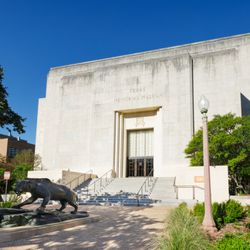
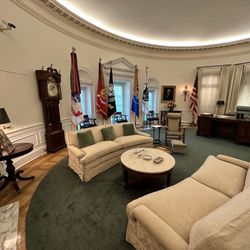
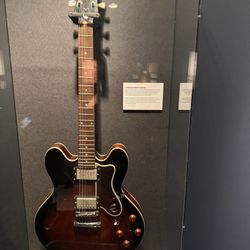
Texas Military Forces Museum Photos
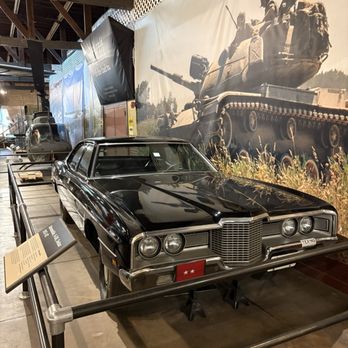


You might also consider


More like Texas Military Forces Museum
Recommended Reviews - Texas Military Forces Museum
Start your review...


Reviews With Photos


This place was top-notch for military Museum enthusiast and history buffs. I've been to many military museums. This one was very impressive. There is multiple tanks from different conflicts. Lots of artillery and historic artifacts. The Vietnam era weapons demonstration was phenomenal. I've never seen anything like it. This place is really underrated and not probably well-known.
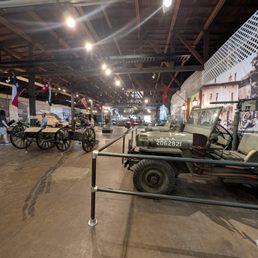

If you're anything like me, you've gazed curiously at the airplanes line up by the side of Mopac while stuck in traffic, sworn that you'd go check it out someday, then promptly forget the moment you make it to your exit. Get stuck in traffic, rinse and repeat. Don't be like me! Go TODAY! Admission is always free and it's well worth your time. They do a great job mixing authentic artifacts with recreations and models. Even if you're not that into history, it's pretty cool to see. Great for kids and adults alike, and there are some interactive things too. If you can only pick one day to go, visit on one of their Living History weekends where they have a live reenactment of one of the wars with real tanks firing blank rounds. It's actually VERY cool, no matter how you feel about war itself. Wear earplugs because it can get loud!


Check this FREE museum out! Hidden Gem! The inside is impressive- lots of details! Don't skip out on the outside too where the tanks are!


Cool military museum in Camp Mabry Austin Texas. Quite the history and relics of past wars USA has fought in. Would recommend if you enjoy reading about military history .


I used to live 10min from here and sadly never took the time to visit this awesome museum! I used to go to the base often, but for some reason never made it here. I wish I had. I would have spent many an afternoon checking it out and getting to know it all! I finally managed to make a visit on a recent trip and my wife and I were blown away. We loved it. We spent about 2hrs and felt we rushed through a lot of it in order to be able to see a good amount of it. I'd say we managed viewing about 75% of it in those 2hrs. This museum has all the history of Texas in the US army and it's conflicts abroad. It has a great amount of memorabilia and the displays are well done. Plenty plenty of information. We loved it. Worth a trip is visiting Austin and wanting to check out some great military history. Outside you will even be able to see real tanks and other army vehicles used in service.


I have passed this Museum for decades right off of Mopac. My 10 year old nephews eyes lit up as we passed the Military planes, helicopters. We decided to pay a visit. You are actually entering Camp Maybry. Be prepared to show ID if you are 18 and over everyone in the vehicle. After passing the checkpoint, you will drive a few miles to get to the museum. Plenty of parking. We did the outside part first, I could have spent all day there just absolutely fascinating so much history. It's free all the time to enter. That's a big plus, thank you. The inside is huge, spend plenty of time there so you can really absorb all the exhibits. They have a sheet for the children to do a scavenger hunt which really engages them. My nephew total enjoyed! What a great experience!!


Our family was on a Texas vacation and looking for a museum to visit in the Austin area. We found the Texas Military Forces Museum on Fort Mabry. We were extremely pleased. So many great displays detailing Texas Military history. The only reason why I am not giving 5 stars is because restroom and AC seemed out on our visit. Extremely hot in the museum. I am sure they will have it all fixed for your visit. Getting those things fixed moves it to 5 stars.


Every so often in life - rarely, it sadly seems - there occurs such a surprise where the smoke clears from where it has settled around mediocrity and something really special emerges. That is the Texas Military Forces Museum. We entered this desolate Texas State Guard base in Austin with very low expectations. Maybe a couple of guns and a tired display or two, where no visitors have been for years. We'll take five or so minutes to walk though it... What a shock! In a life of visiting museums from the US to Asia and Europe this one is no doubt in the absolute top tier! It is a complete history of the Texas armed forces from earliest Texas history through the 2000s. But the strength of this museum is its masterful balance between creative displays including incredible artifacts -- Rommel's actual cap? Goering's cigarettes and case? -- and intelligent and thoughtful prose explaining all the events in a precise and engaging manner. As my adult son said reading the displays - "Who wrote these? They are so clear and intelligent!" You could literally understand all of early Texas history with an hour spent in the section of the museum on the fight for independence. But with that you would also get a great handle on WWI and WWII and the war between the states and essentially the entire western world history for the past 200 years. Texans were everywhere and this is their story. This is not dumbed-down history, but at the same time judging from the engagement of even the very youngest people among us it resonates with all ages. A museum that does not endeavor to cater to the juvenile manages nevertheless to appeal to juveniles among us. Kids sense authenticity and there is no doubt the kids in this museum were having a great time and learning a lot. Just overhearing their questions to their parents. They got it. The strength of this museum is a balance between its didactic mission and a kind of historical immersion achieved with such creative displays that put the visitor in the middle of, for example, the trenches of WWI, with no way out but through the danger as the sounds of gunfire get louder and more menacing. It feels uncomfortable but in a good way. There is some tension and discomfort, as there should be: these are life-ending events and should be understood as such. War is no joke for those on the receiving end. And the two panoramas - a horrific WWII battle in Italy and the breaching of the Alamo - are just absolutely wonderfully unique and compelling. Listen: this is one of the best museums I've ever seen in a life of attending museums. So many have been cut apart trying to appeal to the transitory zeitgeist, left meaning nothing by trying to be everything. This is not history bent to the prevailing pressures of today's fashions, but rather firmly grounded in objectivity. So after being completely lost and immersed in history for two hours without coming up for air it was time to depart, as the museum was closing. But there was much more! Outside was another entire museum of armored vehicles including two captured Soviet pieces and a US tactical nuclear missile! Just the outside displays would have been worth the effort. This museum is definitely worth an entire day. And the amazing part is that it is free! Of course they take donations and I would encourage all to materially express appreciation for these efforts. What a wonderful surprise!
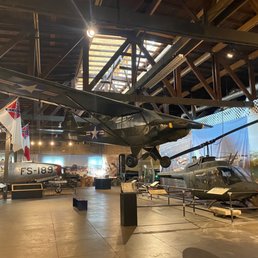

This museum was pretty boring. I like that it is free. The exhibits were not presented very well as there was so much dense, small text to read. May be interesting if you really love war history. I like history, but I couldn't stay engaged with the exhibits. The tanks were cool to look at for two seconds. I liked the gym outside and the track. The bluebonnets were beautiful. I appreciate the military helicopters and planes amidst the field of flowers.


The guides here are so welcoming and they have a scavenger hunt which my boys had so much fun with! The kids went back and forth all around until they got everything on the scavenger hunt. My son got to sit in a fighter pilot cockpit and the museum is easily doable in 2-6 hours depending on how much you want to read... really special that it is also on an army camp!


Navigate to Camp Marby (35th and Maintenance Dr) and proceed with ID check at the check-in point. First right through Recreation area and another right to building #6. Free admission/parking. Both indoor (mildly cooled air conditioning) and outside exhibits. Big enough for 2+ hours. Outdated restrooms. Interesting artifacts. Important history lessons to learn.


Very well put together military museum with a really nice collection of militaria. Takes a couple hours to get through the inside of the museum if you take your time and visit all the various rooms covering all the various Wars. Lots of really nice vehicles and Hardware to look at. There is an outside section where there are a lot of tanks and some really big guns that should not be missed.


The museum is located on Camp Mabry in Austin. Just getting to the museum is a maze, but so worth it. Once inside, we were greeted by 4 volunteers who were very knowledgeable. Outside, there are a lot of armored vehicles. My dad drove a tank in WWII, so this was very interesting to me. Armor plated and big guns, every guy likes that! After 1 1/2 hours outside, it was hot, and inside we went. The museum is the complete history of Texas military units all the way back to the 1700 and 1800's. From before the Alamo to current day Middle East, Texas military units have served bravely and with honor. There is SO much to see. We spent 4 hours there and just skimmed through some of it to save time. If you have any interest in our brave military and what they have done to protect our freedom, this is a must see. As we passed some families, the kids were doing a kind of scavenger hunt, looking for certain things in all the displays. Of course there was a prize at the end! I highly recommend touring this museum, and to all our military, past and present, thank you for your service.


4 days ago
We were looking for something to do on a hot Austin day and stumbled upon this museum on Yelp. I am so glad we did since this was a highlight of the trip. Best of all, it's free! First thing to note, this museum is located on Camp Mabry, and active military post. A valid picture ID is required to enter. When we arrived at the entrance gate, they had us pull into a parking lot by the Visitor Control Center. They ran a quick background check and then let us go on our way. Even though the Museum operates Tuesday through Sunday and closes at 4 PM, the Visitor Control Center closes at 3 PM. You'll want to go well before 3 PM to enter Camp Mabry. If you're a military or history buff, I think you could spend half a day in here, going through all the exhibits and reading everything. We read at most 5% of the display descriptions and we were there for well over an hour. I feel like almost every major US military conflict was represented from early colonization to the Gulf War. There are more in-depth displays on WWII and the history of conflicts in Texas from the early 1800s to the present. There is a heavy representation of vehicles at the museum including tanks, jeeps, fighter jets, and helicopters. Outside of the museum, there is an alley called Artillery Row that is just lined with tanks and military vehicles. It's one of the most impressive military displays I have seen. Also on display are weapons, equipment, dioramas, and much more. I would highly recommend making a stop at the Texas Military Forces Museum. It was educational, entertaining, and highly memorable. read more


13 days ago
This was a AMAZING EXPERIENCE. This is a must got museum to see a lot of tanks and some jets out front. This museum is bigger than it looks because there are more room extension on the main hall of the museum. I think I spent roughly 3 hours and some change to look at everything but could stay longer if I wanted . The outdoor exhibit is amazing to look at some cool tanks and artillery with there being an early production Abrams . read more


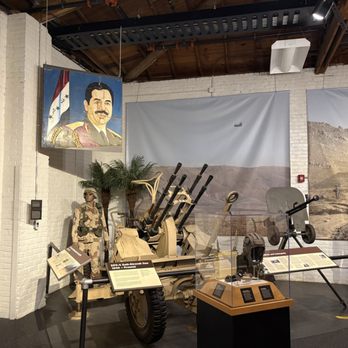


This place was top-notch for military Museum enthusiast and history buffs. I've been to many military museums. This one was very impressive. There is multiple tanks from different conflicts. Lots of artillery and historic artifacts. The Vietnam era weapons demonstration was phenomenal. I've never seen anything like it. This place is really underrated and not probably well-known. read more


If you're anything like me, you've gazed curiously at the airplanes line up by the side of Mopac while stuck in traffic, sworn that you'd go check it out someday, then promptly forget the moment you make it to your exit. Get stuck in traffic, rinse and repeat. Don't be like me! Go TODAY! Admission is always free and it's well worth your time. They do a great job mixing authentic artifacts with recreations and models. Even if you're not that into history, it's pretty cool to see. Great for kids and adults alike, and there are some interactive things too. If you can only pick one day to go, visit on one of their Living History weekends where they have a live reenactment of one of the wars with real tanks firing blank rounds. It's actually VERY cool, no matter how you feel about war itself. Wear earplugs because it can get loud! read more
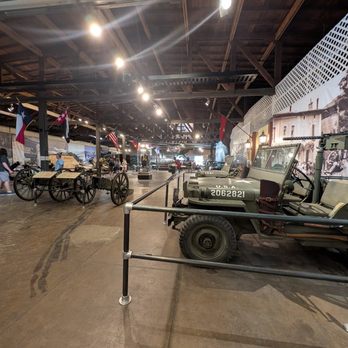


I used to live 10min from here and sadly never took the time to visit this awesome museum! I used to go to the base often, but for some reason never made it here. I wish I had. I would have spent many an afternoon checking it out and getting to know it all! I finally managed to make a visit on a recent trip and my wife and I were blown away. We loved it. We spent about 2hrs and felt we rushed through a lot of it in order to be able to see a good amount of it. I'd say we managed viewing about 75% of it in those 2hrs. This museum has all the history of Texas in the US army and it's conflicts abroad. It has a great amount of memorabilia and the displays are well done. Plenty plenty of information. We loved it. Worth a trip is visiting Austin and wanting to check out some great military history. Outside you will even be able to see real tanks and other army vehicles used in service. read more




I have passed this Museum for decades right off of Mopac. My 10 year old nephews eyes lit up as we passed the Military planes, helicopters. We decided to pay a visit. You are actually entering Camp Maybry. Be prepared to show ID if you are 18 and over everyone in the vehicle. After passing the checkpoint, you will drive a few miles to get to the museum. Plenty of parking. We did the outside part first, I could have spent all day there just absolutely fascinating so much history. It's free all the time to enter. That's a big plus, thank you. The inside is huge, spend plenty of time there so you can really absorb all the exhibits. They have a sheet for the children to do a scavenger hunt which really engages them. My nephew total enjoyed! What a great experience!! read more



2 years ago

Our family was on a Texas vacation and looking for a museum to visit in the Austin area. We found the Texas Military Forces Museum on Fort Mabry. We were extremely pleased. So many great displays detailing Texas Military history. The only reason why I am not giving 5 stars is because restroom and AC seemed out on our visit. Extremely hot in the museum. I am sure they will have it all fixed for your visit. Getting those things fixed moves it to 5 stars. read more


4 years ago
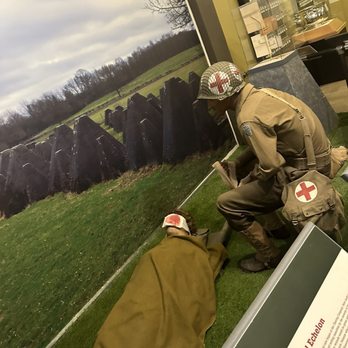
Every so often in life - rarely, it sadly seems - there occurs such a surprise where the smoke clears from where it has settled around mediocrity and something really special emerges. That is the Texas Military Forces Museum. We entered this desolate Texas State Guard base in Austin with very low expectations. Maybe a couple of guns and a tired display or two, where no visitors have been for years. We'll take five or so minutes to walk though it... What a shock! In a life of visiting museums from the US to Asia and Europe this one is no doubt in the absolute top tier! It is a complete history of the Texas armed forces from earliest Texas history through the 2000s. But the strength of this museum is its masterful balance between creative displays including incredible artifacts -- Rommel's actual cap? Goering's cigarettes and case? -- and intelligent and thoughtful prose explaining all the events in a precise and engaging manner. As my adult son said reading the displays - "Who wrote these? They are so clear and intelligent!" You could literally understand all of early Texas history with an hour spent in the section of the museum on the fight for independence. But with that you would also get a great handle on WWI and WWII and the war between the states and essentially the entire western world history for the past 200 years. Texans were everywhere and this is their story. This is not dumbed-down history, but at the same time judging from the engagement of even the very youngest people among us it resonates with all ages. A museum that does not endeavor to cater to the juvenile manages nevertheless to appeal to juveniles among us. Kids sense authenticity and there is no doubt the kids in this museum were having a great time and learning a lot. Just overhearing their questions to their parents. They got it. The strength of this museum is a balance between its didactic mission and a kind of historical immersion achieved with such creative displays that put the visitor in the middle of, for example, the trenches of WWI, with no way out but through the danger as the sounds of gunfire get louder and more menacing. It feels uncomfortable but in a good way. There is some tension and discomfort, as there should be: these are life-ending events and should be understood as such. War is no joke for those on the receiving end. And the two panoramas - a horrific WWII battle in Italy and the breaching of the Alamo - are just absolutely wonderfully unique and compelling. Listen: this is one of the best museums I've ever seen in a life of attending museums. So many have been cut apart trying to appeal to the transitory zeitgeist, left meaning nothing by trying to be everything. This is not history bent to the prevailing pressures of today's fashions, but rather firmly grounded in objectivity. So after being completely lost and immersed in history for two hours without coming up for air it was time to depart, as the museum was closing. But there was much more! Outside was another entire museum of armored vehicles including two captured Soviet pieces and a US tactical nuclear missile! Just the outside displays would have been worth the effort. This museum is definitely worth an entire day. And the amazing part is that it is free! Of course they take donations and I would encourage all to materially express appreciation for these efforts. What a wonderful surprise! read more


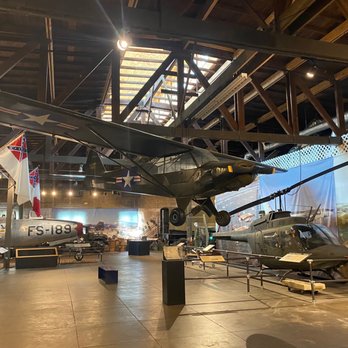
This museum was pretty boring. I like that it is free. The exhibits were not presented very well as there was so much dense, small text to read. May be interesting if you really love war history. I like history, but I couldn't stay engaged with the exhibits. The tanks were cool to look at for two seconds. I liked the gym outside and the track. The bluebonnets were beautiful. I appreciate the military helicopters and planes amidst the field of flowers. read more


4 years ago
The guides here are so welcoming and they have a scavenger hunt which my boys had so much fun with! The kids went back and forth all around until they got everything on the scavenger hunt. My son got to sit in a fighter pilot cockpit and the museum is easily doable in 2-6 hours depending on how much you want to read... really special that it is also on an army camp! read more


5 years ago
Navigate to Camp Marby (35th and Maintenance Dr) and proceed with ID check at the check-in point. First right through Recreation area and another right to building #6. Free admission/parking. Both indoor (mildly cooled air conditioning) and outside exhibits. Big enough for 2+ hours. Outdated restrooms. Interesting artifacts. Important history lessons to learn. read more


4 years ago
Very well put together military museum with a really nice collection of militaria. Takes a couple hours to get through the inside of the museum if you take your time and visit all the various rooms covering all the various Wars. Lots of really nice vehicles and Hardware to look at. There is an outside section where there are a lot of tanks and some really big guns that should not be missed. read more


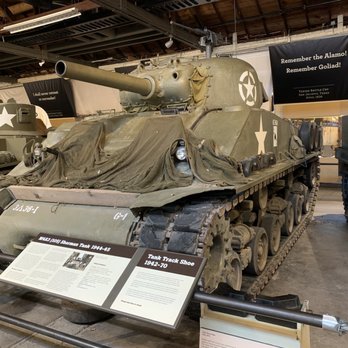
The museum is located on Camp Mabry in Austin. Just getting to the museum is a maze, but so worth it. Once inside, we were greeted by 4 volunteers who were very knowledgeable. Outside, there are a lot of armored vehicles. My dad drove a tank in WWII, so this was very interesting to me. Armor plated and big guns, every guy likes that! After 1 1/2 hours outside, it was hot, and inside we went. The museum is the complete history of Texas military units all the way back to the 1700 and 1800's. From before the Alamo to current day Middle East, Texas military units have served bravely and with honor. There is SO much to see. We spent 4 hours there and just skimmed through some of it to save time. If you have any interest in our brave military and what they have done to protect our freedom, this is a must see. As we passed some families, the kids were doing a kind of scavenger hunt, looking for certain things in all the displays. Of course there was a prize at the end! I highly recommend touring this museum, and to all our military, past and present, thank you for your service. read more



2 years ago
Excellent exhibits and very knowledgeable staff. It's awesome how you can get so close to the tanks and learn about Texas military heroes throughout history. read more


5 years ago
WOW. That's all I can say. The amount of museums that I've been too this one is up there. Not only is the museum free but there's quite a bit to see. The out side and even the main part of the museum make it look a lot smaller than it actually is. Whether you like military or even history there's lots to see and you truly can't beat free. It was quite confusing to find the entrance to actually get to the museum but bedsides that it was a fantastic experience. Wish I would have gone sooner. read more


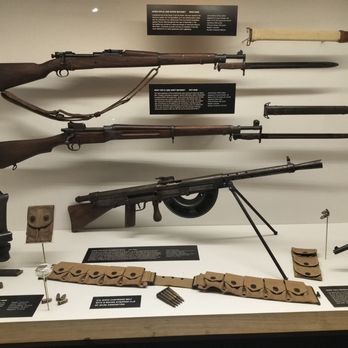
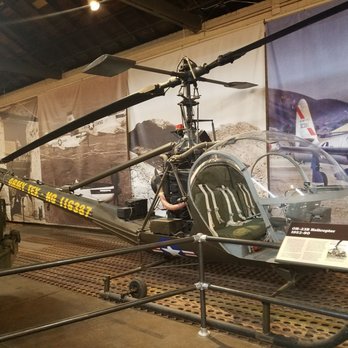
This a great place tucked in the middle of Camp Mabry. It is an interesting collection of military vehicles, tanks, guns, planes, and even a wagon. I was impressed at how much history was in this place. There's a F-16 cockpit you can climb inside, that seat looked really snug. A mess truck you can get inside, complete with MRE's and vintage cooking equipment. There are also side rooms to explore, with vintage weapons, period examples of the 1911 and BAR's. A bouncing betty on display and even a mock up of a German bunker. Be sure to tour the tanks outside and see the warhead in the front. read more


Located inside the fort mubry army national guard base this museum is free to visit. Has all amazing vehicles from various war periods and plenty of uniforms that tell endless stories about the American victories in wars around the globe. This was a great way to start my adventure here in austin and this museum is a must if you are around here. read more




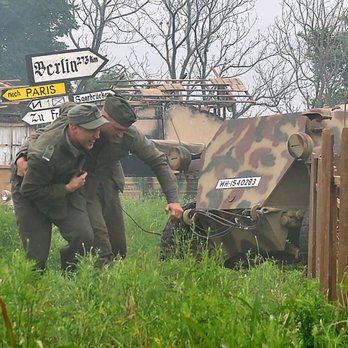
This museum is always worth a visit. From the exhibits and wealth of historic artifacts, to the regular re-enactments throughout the year - every event the museum holds is top notch. The re-enactments alternate between the Civil War, WWI, WWII, and Vietnam, so there are constantly different eras to learn about. No two re-enactments will ever be quite the same either, so you can come back year after year and have a new experience each time. It's always free, even the battle re-enactments, so there's never any reason to miss out! read more



4 years ago
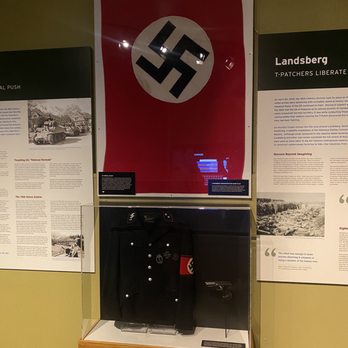
Neat museum! They have a bunch of memorabilia here including some pieces from Nazi personnel. Would definitely stop by if you were in the area read more

My friend who is a teacher had invited me to check this place out with her as she was doing a recon for a potential field trip for her students. My husband asked to tag along since we both are ex-military and he loves the history channel. Make sure you have an ID to get on post since this is located on Camp Mabry. Also note that there are signs that lead you back to the museum once on post. The museum is free for all and gladly accepts donations. The museum doesn't look that big from the outside but with all the extra rooms it is quite large. I later learned it is 45,000 square feet of plain hardcore museum. I really enjoyed the museum as it didn't just focus on the Texas military. It was a little strange for me to see the current Iraq/Afghanistan war section. This section had many things I could relate to or have worn in my time overseas and just in the military. I even saw they had on display Iraqi war playing cards. I was like WHHHHATTTT! I have the exact same playing cards. That just goes to show you that I am getting old or something like that. This is a great place to spend a few hours at least while you are visiting. They had a scavenger hunt for the kids and saw a Boy Scouts troop checking the place out while we were there. They have a small gift shop to check out before you leave. Please note that on your way out they have some tanks outside to investigate. Also they offer guided tours during the week if you have a larger group (15 or more) if you call in advance to set that up. read more


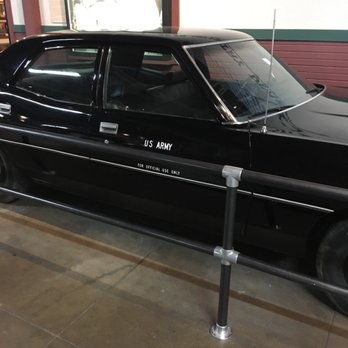

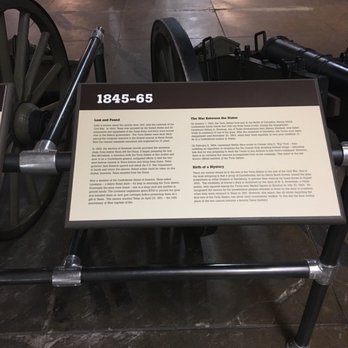


I had planned on going here anyway, but we ended up driving by it several times since it's right beside the highway, and our friends wanted to go, so I really could not wait to get here. It is on base, and you have to wind around a bit to get to the museum. There's a large central hall with tanks and other vehicles, and the many flags that have flown over Texas. Everything is well-restored with excellent displays. Off to the side are rooms about particular events and units, including the Air Guard. There is everything from a covered wagon to a modern helicopter. The displays go into great detail about the various Texas units and conflicts. There's a small gift store with a few books. Then outside is a tank park and a few aircraft. Full of history, great for kids and adults, free, and handy. Well worth a stop in Austin. read more


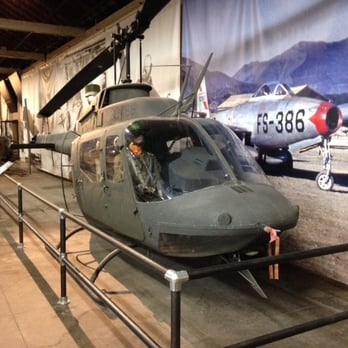

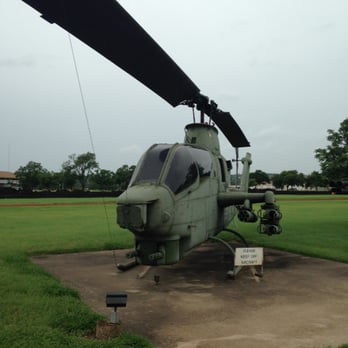


This stop was well worth the short drive to the military base. They have incredible vehicles including tanks, jeeps, nuclear missiles, and a jets. There are wonderful old videos, pictures, artifacts and dioramas that you have to see to believe. Don't forget, this is actually on base so you have to leave your conceal carry gun at home!! read more


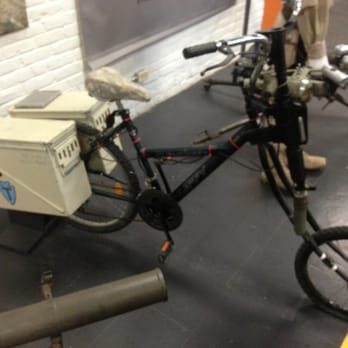


Another stop on my way thru Austin was the Military Forces Museum and it was definitely a cool experience. First, its located on a military base, which is awesome. Civilians are usually not allowed anywhere on a base unless your family, so winning. As you walk thru this wooden door, you're expecting a small museum, however you walk in and it is massive. You are staring up at Jeeps, helicopters, communication systems, etc. You name it, its there. Anything from WW1 to the Cold War, its all there. Its all educational and informative. I felt like I was back in school all over again. The entrance was completely free, however you can tip the facility (which supports their operations)! 100% take your children, you can even sit in one of their shooter planes! read more
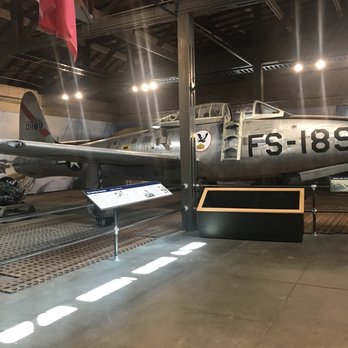

4 years ago
What a gem! We came here on spring break and I'm so glad we did. The museum is organized so we'll and has so many historical vehicles and weapons and so much more. They even have a piece of the Berlin Wall. My son who's in 7th grade and learning about Texas history loved seeing things he's been learning about come alive. My little son loved sitting in the cockpit of a flight simulator and all the vehicles. I love history and I learned so many things. Everyone that was working there was so helpful and kind. read more


An interesting and surprising collection of military vehicles, tanks, guns, from almost every war. I was impressed at how much history was in this place. There's a cockpit you can climb inside, a mess truck you can get inside, and so many side rooms to explore. It's an adventure to find as its in the bowels of the Camp Mabry campus. We drove around after the museum and found a pond that had a fishing pier. It was the perfect Sunday afternoon. Camp Mabry also has a track open to the public. read more
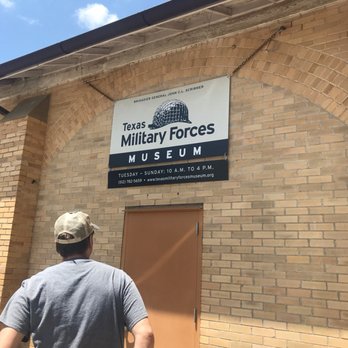

7 years ago
4 years ago
Love the dioramas and the cockpit kids can climb onto. Too much to see in one visit, will go again! read more
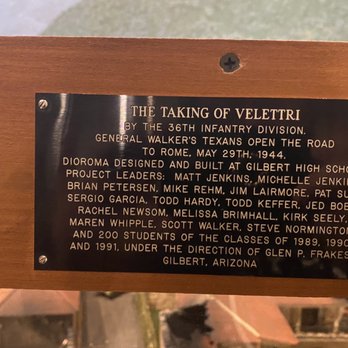


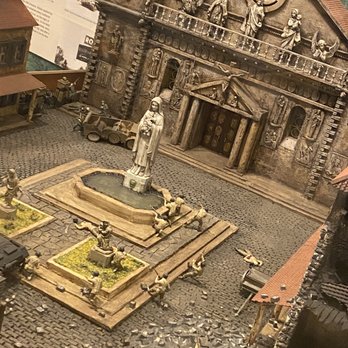


This was a much bigger museum than we expected, and it is VERY WELL DONE! The exhibits are both comprehensive and well-interpreted. The time period covers 1836-present, including the Cold War. My dad was a Cold War veteran of the USArmy and TXARNG. Dad retired in 1976 as a LtCol in the 49th, but also served in the 2nd Armored Cav. I felt very close to Dad here -- and we may even have some things at home that the museum might like to have. :) We spent a total of about 3 hours here, and enjoyed every minute. I could have spent the whole day in the Civil War area, which was very well presented. I do wish they had more in me 9th Texas Cavalry CSA and the battle of Corinth (where my 2nd great grandfather and his brothers fought) but I was glad to read about the 2nd Texas Cavalry at Shiloh. I also enjoyed the Cold War exhibit, since Dad was activated and sent to Fort Polk and then Germany as part of the 49th Armored. The story of the 36th Division, the "Lost Battalion" of WWII, was similarly well done, with respect and excellent signage. Outside there were rows and rows of armored fighting and support vehicles, howitzers and field guns, and even a nuclear missile. This is a great museum to spend several hours in - and admission is free!! IMPORTANT: This is a working military base, so be prepared to show valid ID to enter. read more


Wow. Just amazing. I have been here a few times but didn't really LOOK. During the massive open house at Camp Mabry, I really spent a good amount of time looking, reading and asking questions. Now I have to go back and really dig into specifics. What is really wild is to see things in a history museum that you yourself have used. Time marches on. read more


Page 1 of 3
More info about Texas Military Forces Museum
2200 W 35th St
Blg 6
Austin, TX 78703
Directions
(512) 782-5659
Call Now
Visit Website
http://www.texasmilitaryforcesmuseum.org
Hours
Indoor Amenities
Other Amenities
From the Business