St John's Gardens Photos


Recommended Reviews - St John's Gardens
Start your review...



Wonderful place to chill. Calm and serene, but just outside some very busy areas as it is surrounded by the Central Library, World Museum, and Walker Museum of Art. On top of all that the Christmas Fair is going on from 24 Oct thru Christmas... and it faces the entrance of the Queensland Tunnel. Despite the potential for noise, the location is unusually quiet, and a perfect place to be mindful and aware. Although it has the chance to be mobbed by careless youth, it just as much has the ability to be a place for serenity - given the opportunity and time. read more

16 years ago
It's shows just how overlooked this place can be that it has taken me this long to review St John's Gardens even when I have already covered St Georges Hall - in the grounds of which can the gardens be found! - The Walker Art Gallery and Museums that all surrounding the gardens. Considering that the place is situated in one of the busiest parts of town, overlooking the entrance to the Birkenhead tunnel, it is somehing of an oasis of calm and tranquility. St John's garden is a place that you will often see people sat with a book or paper or just obvioulsy taking in the great buildings and greenery around them in quiet contemplation. It's a lovely space in any time of the year with flowers in full bloom in summer and a very atmospheric backdrop in winter. read more


16 years ago
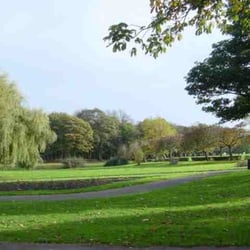
What a calm and peaceful place St.John's gardens presents, yet just located outside a busy city centre. On initial thought, one would assume a small park which is air polluted from traffic but that is not to say the least. Surprisingly, this area offers great chill out free from noise and uproar. It is an excellent and convenient place to escape the hustle and bustle where you can enjoy an ice cream or a sandwich, by all means lay on the clean cut lawn in the sun. You won't find many places similar as it centrepieces monuments and statues within the setting that have a curious historical background to them, which often draw your interest as you enjoy a wander. read more


16 years ago

16 years ago
This is the first part of Liverpool I saw after getting lost on the way back to the the train station. The place where I decided that I wanted to live here. It's a beautiful garden full of statues and memorials, one of which is to John Lennon, and it's back drop is the stunning architectural beauty that is St George's Hall. It's tucked inbetween a spaghetti like loop of roads and manages to seem more serene due to the world rushing by around it. At the moment it's blossoming with colours as the formal flower beds are blooming. A little haven right at the heart of the city centre it's a good place to stop for a minute and contemplate. read more



16 years ago

16 years ago

18 years ago

18 years ago

18 years ago

13 years ago

18 years ago

18 years ago
18 years ago
More info about St John's Gardens
St John's Lane
Liverpool L1 1
United Kingdom
Directions
0151 233 3001
Call Now
Hours
Outdoor Amenities