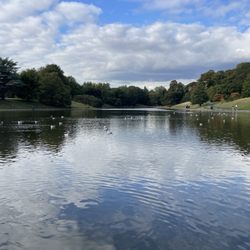
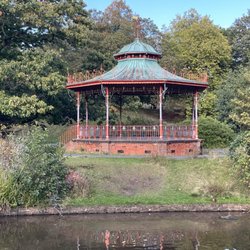
Falkner Square Photos


Recommended Reviews - Falkner Square
Start your review...



16 years ago
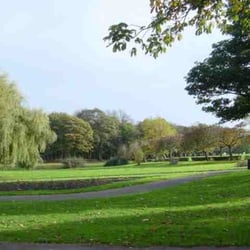
Always quiet, always peaceful and really beautiful despite being situated smack central in crazy ville. Once, before the rapid gentrification of the area now know as The Georgian quater - it's still Toxteth you know! - around here you caould find some legendary house parties that I am sure still go on but are less frequent and reknowned. The square itself is an idyll in which you would hardly know that you are so close to the incessant traffic of Upper Parly, the Women's Hospital or the refuge shelters and mental care homes that fill most of the town house surrounding the tranquil green. Apparently underneath the square run tunnels made by the rich residents during WW2 so they could evacuate their homes during the airraids and find safety in the square - so I have been told. read more


16 years ago
If you're one of those insufferable so-and-sos who revel in knowing about something before everybody else then get infuriated when it becomes as popular as you initially wanted it to be, you'll love the small green luxury of Falkner Square. Don't just go and sunbathe in Abercromby Square like a bunch of sheeple. That's so blasé. This small Georgian Square was once the privilege of the key-owning dwellers of the townhouses surrounding it before World War II came along and swathed it in air raid shelters. Now its another feather in the cap for Liverpool, proving its Georgian quarter is nicer than just about everywhere else. End of. read more

16 years ago

11 years ago

11 years ago

18 years ago
16 years ago
More info about Falkner Square
Liverpool L8
United Kingdom
Directions
0151 225 5970
Call Now
Hours
Outdoor Amenities