
SC Ports Authority Headquarters
SC Ports Authority Headquarters Photos


More like SC Ports Authority Headquarters
Recommended Reviews - SC Ports Authority Headquarters
Start your review...



As I love walking waterfront and port areas, I took a walk around the Port of Charleston. It affords a rather interesting stroll but make no mistake about it. It's not at all like the Port of Miami or Port Everglades of Fort Lauderdale in that is first of all and primarily a commercial, not a cruise ship port. You won't see any long lines of vacationers attempting to catch their cruise ships or the stacked rows of cruise ships awaiting passengers. It does handle cruise ships, it just isn't a standard port of call for them and not all that popular. Though it is the deepest water port in the southeast it only ranks a distant 8th in cargo value. I took a boat ride out into the harbor area and found the views rather striking. Some of the areas around it are of great historic interest, but unlike most waterfront areas not exactly bustling with restaurants, souvenir shops or waterfront activities. read more


9 years ago

There's nothing too spectacular about this port, but it is decent and serves your basic needs. My friend and I arrived at the port to set sail for our Carnival cruise. The parking is $20 a day for standard vehicles and I'd recommend pre-paying online as it does save a bit of time waiting in the lines. For our five day cruise parking end up being $100, but it was nice not having to worry because parking is secured. There was a checked baggage section that you drive up to and drop your luggage off. From the parking area there were free shuttles to the port itself from the parking area. All in all a decent port to leave from although I don't know that I'd make the 6 1/2 hour drive to Charleston for a cruise. read more


15 years ago

10 years ago

10 years ago


12 years ago
More info about SC Ports Authority Headquarters
Ask the Community - SC Ports Authority Headquarters


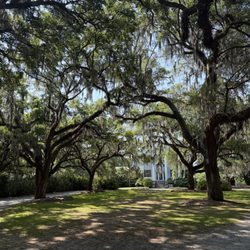


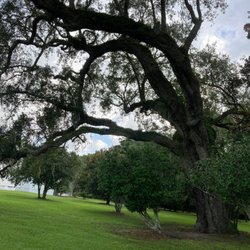
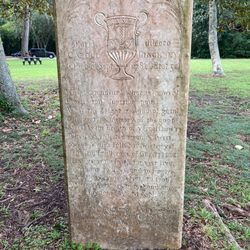
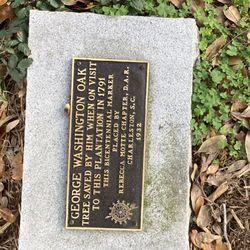
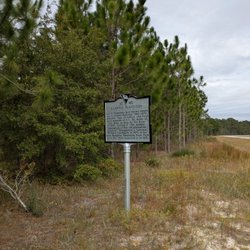

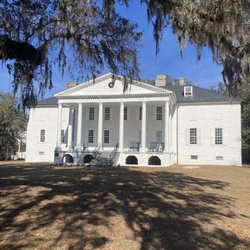



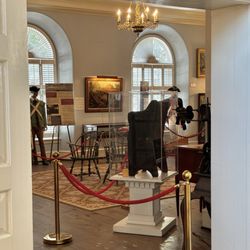

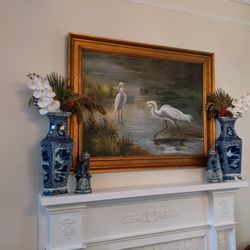

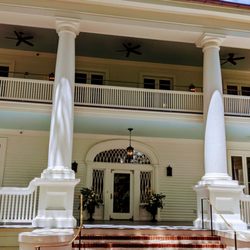
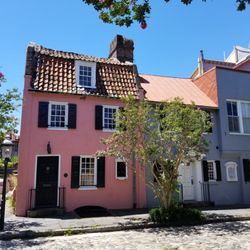


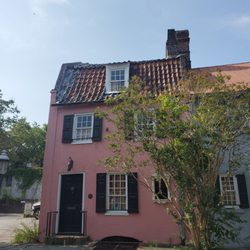


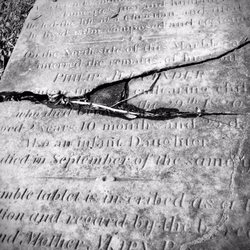


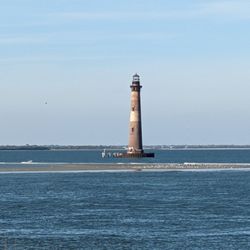
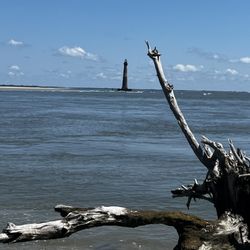


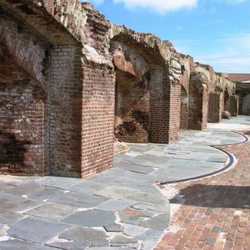
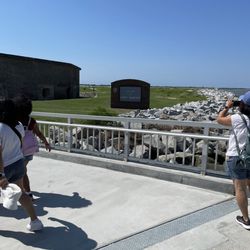
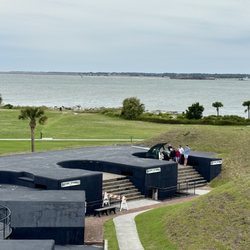

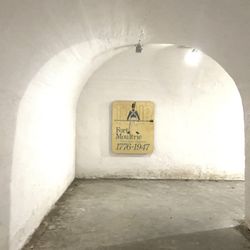

SC Ports Authority Headquarters - landmarks - Updated October 2026
Best of Mount Pleasant
People found SC Ports Authority Headquarters by searching for…
DMV Offices in Mount Pleasant, SC
Departments of Motor Vehicles in Mount Pleasant, SC
Free Parking in Mount Pleasant, SC
Places to Take Pictures in Mount Pleasant, SC
Catholic Church in Mount Pleasant, SC
DMV Locations in Mount Pleasant, SC
Field Trips in Mount Pleasant, SC
Police Departments in Mount Pleasant, SC
Drivers License Office in Mount Pleasant, SC
Post Offices in Mount Pleasant, SC
Military Museum in Mount Pleasant, SC
Attractions in Mount Pleasant, SC
Public Parking in Mount Pleasant, SC
Scenic Drive in Mount Pleasant, SC
Plantation Tours in Mount Pleasant, SC
Utilities in Mount Pleasant, SC
Free Things to Do in Mount Pleasant, SC
DMV Services in Mount Pleasant, SC
Boardwalk in Mount Pleasant, SC
Historical Sites in Mount Pleasant, SC
River Walk in Mount Pleasant, SC
Trending Searches in Mount Pleasant, SC
Apple Orchards near SC Ports Authority Headquarters
Apple Picking near SC Ports Authority Headquarters
Attraction Farms near SC Ports Authority Headquarters
Castles near SC Ports Authority Headquarters
Colored Contacts near SC Ports Authority Headquarters
Corn Maze near SC Ports Authority Headquarters
Costume Store near SC Ports Authority Headquarters
Craft Fairs near SC Ports Authority Headquarters
Dog Parks near SC Ports Authority Headquarters
Hair Stylists near SC Ports Authority Headquarters
Halloween Events near SC Ports Authority Headquarters
Haunted Houses near SC Ports Authority Headquarters
Hidden Gems near SC Ports Authority Headquarters
Historic Restaurants near SC Ports Authority Headquarters
Men's Clothing near SC Ports Authority Headquarters
Photo Spots near SC Ports Authority Headquarters
Places To Take Pictures near SC Ports Authority Headquarters
Public Art near SC Ports Authority Headquarters
Pumpkin Patches near SC Ports Authority Headquarters
Scenic Night View near SC Ports Authority Headquarters
Scenic Overlook near SC Ports Authority Headquarters
Shoe Stores near SC Ports Authority Headquarters
Things To Do This Weekend near SC Ports Authority Headquarters
Browse Articles
Browse Nearby
BEST of Mount Pleasant, South Carolina Restaurants near SC Ports Authority Headquarters
BEST of Mount Pleasant, South Carolina Coffee near SC Ports Authority Headquarters
BEST of Mount Pleasant, South Carolina Things to Do near SC Ports Authority Headquarters
BEST of Mount Pleasant, South Carolina Breakfast near SC Ports Authority Headquarters
BEST of Mount Pleasant, South Carolina Parks near SC Ports Authority Headquarters
BEST of Mount Pleasant, South Carolina Hiking near SC Ports Authority Headquarters
BEST of Mount Pleasant, South Carolina Hotels near SC Ports Authority Headquarters
Browse Brands
Related Searches in Mount Pleasant, SC
Best Lookout Points to Visit in Mount Pleasant, South Carolina
Book Engaging Historical Tours in Mount Pleasant, South Carolina
Discover Charming Historic Homes in Mount Pleasant, South Carolina
Discover Famous Monuments in Mount Pleasant, South Carolina
Discover Free Parking Options in Mount Pleasant, South Carolina
Discover Historic Sites and Places in Mount Pleasant, South Carolina
Discover Popular Landmarks in Mount Pleasant, South Carolina
Discover Popular Photo Spots in Mount Pleasant, South Carolina
Discover Scenic Bike Paths in Mount Pleasant, South Carolina
Discover Top Nature Parks to Visit in Mount Pleasant, South Carolina
Discover Top Points of Interest in Mount Pleasant, South Carolina
Discover the Best Military Museum in Mount Pleasant, South Carolina
Enjoy the Best Walking Trails in Mount Pleasant, South Carolina
Essential Tips for Every Tourist in Mount Pleasant, South Carolina
Explore Beautiful Castles and Landmarks in Mount Pleasant, South Carolina
Explore Beautiful Parks and Green Spaces in Mount Pleasant, South Carolina
Explore Children's Museums Near Mount Pleasant, South Carolina
Explore Free Things to Do Around Mount Pleasant, South Carolina
Explore Fun Activities to Do in Mount Pleasant, South Carolina
Explore Fun Field Trips in Mount Pleasant, South Carolina
Explore Popular Scenic Overlook Points in Mount Pleasant, South Carolina
Explore Secret Spots Worth Visiting in Mount Pleasant, South Carolina
Explore Top History Museums in Mount Pleasant, South Carolina
Explore Venues & Event Spaces in Mount Pleasant, South Carolina
Explore the Rich History in Mount Pleasant, South Carolina
Find Beautiful Views in Mount Pleasant, South Carolina
Find Top Art Museums in Mount Pleasant, South Carolina
Find the Best Bridge Spots in Mount Pleasant, South Carolina
Find the Best Parks for Picnics in Mount Pleasant, South Carolina
Great Things to See and Do in Mount Pleasant, South Carolina
Must-See Tourist Attractions Around Mount Pleasant, South Carolina
Plan a Scenic Drive Route Near Mount Pleasant, South Carolina
Popular Picnic Spots to Visit in Mount Pleasant, South Carolina
Popular Places to Go in Mount Pleasant, South Carolina
Popular Places to Take Pictures in Mount Pleasant, South Carolina
Popular Places to Walk Around in Mount Pleasant, South Carolina
Popular Things to Do in Mount Pleasant, South Carolina
Popular Things to See in Mount Pleasant, South Carolina
Top Hiking Trails to Explore in Mount Pleasant, South Carolina
Top Museums for Kids to Visit in Mount Pleasant, South Carolina
Top Places to Take Pictures Indoors in Mount Pleasant, South Carolina
Top Places to Visit in Mount Pleasant, South Carolina for Sightseeing
Top-Rated Plantation Tours Near Mount Pleasant, South Carolina
Tour Famous Lighthouses Located in Mount Pleasant, South Carolina
Tour Popular Historical Sites in Mount Pleasant, South Carolina
Visit Beautiful Gardens in Mount Pleasant, South Carolina
Visit Popular Museums in Mount Pleasant, South Carolina Now
Visit a Free Museum Near You in Mount Pleasant, South Carolina


