Sarachane Park Photos


Recommended Reviews - Sarachane Park
Start your review...



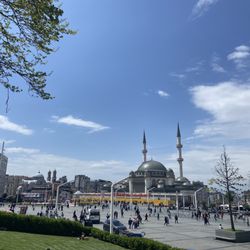
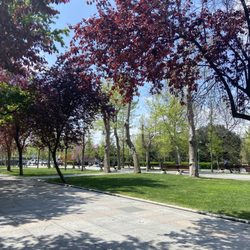
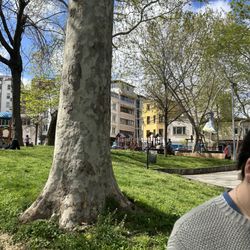
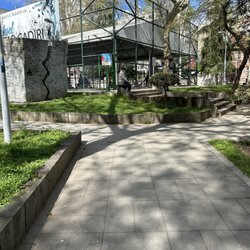
Wonderful park across from Fatih Anit Park, Saraçhane is at the point where Atatürk Boulevard intersects with Şehzadebaşı Avenue. There's heavy traffic in all directions. To the north is Zeyrek and Vefa, to the south is Aksaray, and to the east is Şehzadebaşı. On the grounds of Saraçhane Park is the Burmalı Mosque (Burmalı Camii), which was built in 1540 by Emin Nureddin Osman (d. 1554), the Ottoman chief judge (kazasker) of Egypt. In the southeast quadrant of Saraçhane, across Şehzadebaşı Avenue, is the Istanbul Metropolitan Municipality building (İstanbul Büyükşehir Belediyesi). It serves as Istanbul's city hall. Hidden behind City Hall is the former Ankaravi Mehmed Efendi Madrasa (Ankaravi Mehmed Efendi Medresesi). It was built in 1707 by Mehmed Emin Efendi, the Ottoman Şeyhülislam (Shaykh al-Islam) between 1686 and 1687. The Church of St. Polyeuctus ( / Ayios Polieuktos Kilisesi) lies in ruins in the southwest quadrant of Saraçhane, west of Istanbul City Hall. The Church of St. Polyeuctus was built between 524 and 527 during the reign of Emperor Justin I. was commissioned by Anicia Juliana (462-528), the daughter of Western Roman Emperor Olybrius. After the church was abandoned in the 11th century, several architectural pieces were taken and used in other buildings in the city, including the Monastery of Christ Pantocrator (now the Zeyrek Mosque). More pieces were taken by Crusaders during the Sack of Constantinople in 1204. The most famous are the Pillars of Acre at St. Mark's Basilica in Venice. Across the street to the south is the Amcazade Hüseyin Pasha Complex (Amcazade Hüseyin Paşa Külliyesi). It was built in 1700 by Amcazade Köprülü Hüseyin Pasha (1644-1702), a Grand Vizier under Sultan Mustafa II. However the main reason to get here is for the best view of the remaining part of The Valens Aqueduct (or Bozdoğan Kemeri, meaning "Aqueduct of the grey falcon"). The Roman aqueduct which provided most of the water to Constantinople, the capital of the Eastern Roman empire, it once flowed all the way to the cistern near the Hagia. It was completed by Roman Emperor Valens in the late fourth century AD and has been restored several times by Ottoman Sultans. In the second century, Roman Emperor Hadrian constructed a smaller aqueduct for the city of Byzantium. The city was rebuilt under Emperor Constantine I, and the aqueduct was greatly expanded to meet the growing city's needs. Be careful of traffic, the best shot is kind of dangerous from the middle of a very busy road. Walk under the viaduct to the interesting neighborhood on the other side. You can meet lots of nice cats in this park. read more


More info about Sarachane Park
34363 Istanbul
Turkey
Alemdar Mh., Alemdar, Cankurtaran
Directions
Hours
Outdoor Amenities













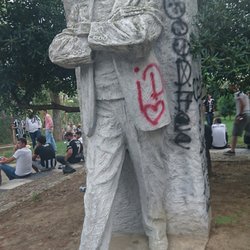
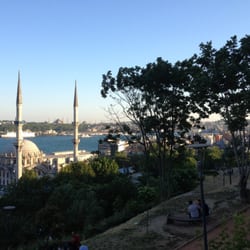

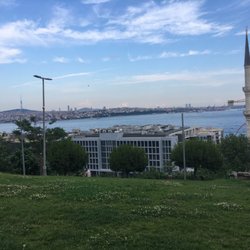
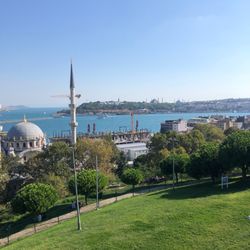
Sarachane Park - parks - Updated May 2026
Browse Brands
Browse Articles
People who viewed Sarachane Park also viewed

Tophane Parkı
2 reviews
Hacimimi, Kılıçali Paşa Mh., Kılıçali Paşa

Galata Kulesi
98 reviews
Şahkulu Mh., Şahkulu, Ekmekyemez

Edirnekapi Gate
1 review
Derviş Ali, Defterdar Mh., Topçular, Eyüp

Mehmet Akif Ersoy Parki
1 review
Alemdar Mh., Alemdar, Binbirdirek

Sairler Sofasi Parki
1 review
Sinanpaşa, Vişnezade Mh., Beşiktaş

Dikilitas
10 reviews
Binbirdirek Mh., Binbirdirek, Cankurtaran

Türk ve İslam Eserleri Müzesi
7 reviews
Binbirdirek Mh., Binbirdirek, Cankurtaran

Sultanahmet Meydanı
14 reviews
Binbirdirek Mh., Binbirdirek, Cankurtaran

Dolmabahçe Sarayı
64 reviews
Vişnezade, Vişnezade Mh., Beşiktaş

Kececizade fuad Pasha
1 review
Binbirdirek, Binbirdirek Mh.