
Prometric Test Center Photos


You might also consider


More like Prometric Test Center
Recommended Reviews - Prometric Test Center
Start your review...


Reviews With Photos


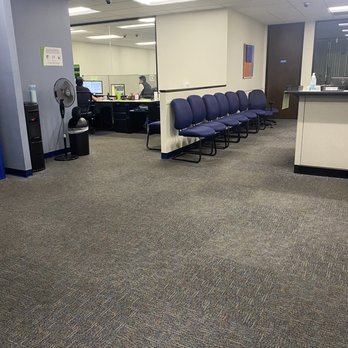
TL;DR I passed. When you turn onto the street, just look for the signage a couple of buildings down the left, which can be easily missed from the generic commercial structures on either side. Depending on the day, parking is hit or miss. There is a private lot down the driveway if you can't find a curbside spot. Checking in was a breeze and the lobby was empty. Just remember to bring two forms of photo ID with your signature because they will have you sign in and will verify it matches. There are small/medium lockers available, so empty your pockets, and leave the carry on luggage behind. I was able to get started a few minutes before my afternoon appointment and finish soon enough before traffic along I-805 and Hwy-52 went from bad to ugly. The testing room is reasonably quiet, with the thermostat set in the low 70s. They provide both noice cancelling headphones and foam earplugs (upon request), along with materials to write scratch notes. Depending on what exam your sitting for, the proctor will confirm locker accessibility and available breaks. The proctor will do the usual security checks for cheat sheets or other shenanigans. Bathrooms are towards the fountain area. I don't particularly enjoy the stress of cramming a week's worth of study material across two days, but Prometric Testing Center provides a decent exam environment to help you stay focused.


9 days ago
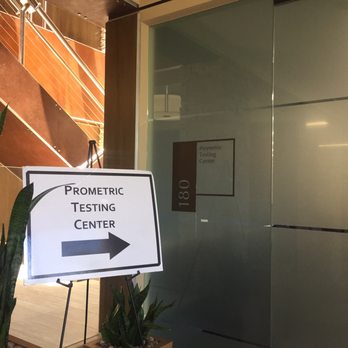
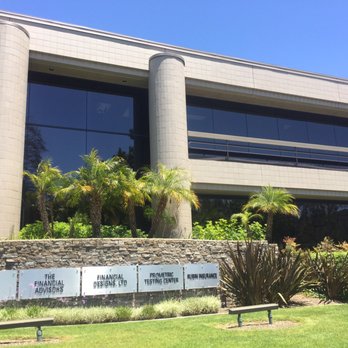
Nice staff and great environment! I accidentally went to the wrong entrance at first, which turned out to be locked, so it took me a little while to find the correct one. The main entrance is the one you reach by continuing straight rather than making a turn, which I circled in the photo. (Thanks to whoever uploaded this photo to Google Maps I forgot to take one myself lol) Overall I had a smooth experience taking the test here. I hope going to the wrong door doesn't happen to other test takers and cause anyone to be late for their test. It would be really helpful if there were a sign in the parking lot directing test takers to the main entrance. read more

This prometric is a joke!!! The center is nice in design however the customer service is the worst. They mix children with adults taking standardized exams. The kids were loud and cause disruption while still waiting outside. They let people in while chewing gum and making so much chewing noise. I complained about this and my concern was met with a cold shoulder. The lady at the desk did not even take it serious and just smiled in a creepy way every time I brought it up. They take forever to get people to be checked in and out. If you are taking a test and is on a scheduled break, this center is a disaster and they will waste your exam time chatting and laughing with the kids while checking them in. I waited more than 40 mins to check in when it takes simply no more than 10 mins at every prometric I've been to. They had 3 employees and none gave a damn about the 10+ people waiting in line. Do not trust them to take your exams here. The manager clearly just wants money and crams a large number of people including kids inside. On top of it, their headphones are very cheap in quality and doesn't even go over the ear. There is no noise cancellation in them. While I was listening to audio during the test I could hear all the noise outside which caused me a major distraction. Everyone here is so lazy and walks slower than a sloth and doesn't appreciate or understand the seriousness of exams. Do not take your exams here. Someone needs to close this branch or make changes to the useless apathetic staff working here. read more

2 years ago
1 year ago
8 months ago

TL;DR I passed. When you turn onto the street, just look for the signage a couple of buildings down the left, which can be easily missed from the generic commercial structures on either side. Depending on the day, parking is hit or miss. There is a private lot down the driveway if you can't find a curbside spot. Checking in was a breeze and the lobby was empty. Just remember to bring two forms of photo ID with your signature because they will have you sign in and will verify it matches. There are small/medium lockers available, so empty your pockets, and leave the carry on luggage behind. I was able to get started a few minutes before my afternoon appointment and finish soon enough before traffic along I-805 and Hwy-52 went from bad to ugly. The testing room is reasonably quiet, with the thermostat set in the low 70s. They provide both noice cancelling headphones and foam earplugs (upon request), along with materials to write scratch notes. Depending on what exam your sitting for, the proctor will confirm locker accessibility and available breaks. The proctor will do the usual security checks for cheat sheets or other shenanigans. Bathrooms are towards the fountain area. I don't particularly enjoy the stress of cramming a week's worth of study material across two days, but Prometric Testing Center provides a decent exam environment to help you stay focused. read more

1 year ago
2 years ago

2 years ago
2 years ago


5 years ago

11 years ago
I hate testing. Everyone does. But coming here was a good experience and Is very pleasant. There is plenty of parking. I came for a test in the middle of the day. There was no wait. I did not feel like I had to be there 30 minutes early to take my test. The bathroom is close by. They have a nice relaxing fountain in the middle of the plaza that put you at ease. I did not see any place where you can get food. They have water inside and little shot cups. The testing center had computers that were up-to-date and there was plenty of space. Everyone in the test center seemed relatively relaxed read more


8 years ago

6 years ago


14 years ago

11 years ago

10 years ago


11 years ago

9 years ago

12 years ago


18 years ago

12 years ago

8 years ago


11 years ago


8 years ago

16 years ago

9 years ago

12 years ago
14 years ago

Page 1 of 2
More info about Prometric Test Center
Ask the Community - Prometric Test Center
Can anyone give me the real phone number , I have tried calling from past one month every next day no one answers?
Close hotels
Review Highlights - Prometric Test Center
You might also consider






















Why does Yelp recommend reviews?
1 review that is not currently recommended
The reviews below are not factored into the business's overall star rating.

8 years ago


