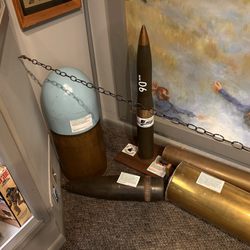
Orton Geological Museum Photos


You might also consider


More like Orton Geological Museum
Recommended Reviews - Orton Geological Museum
Start your review...


Reviews With Photos
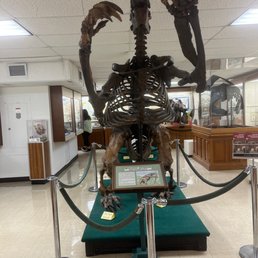

Great place to get up close and personal. Come see the creatures and many stones and granites.

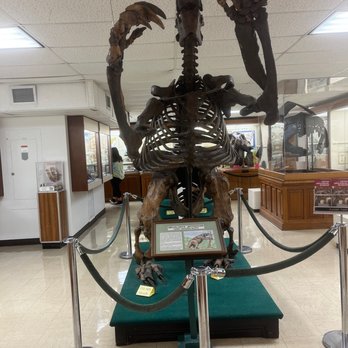
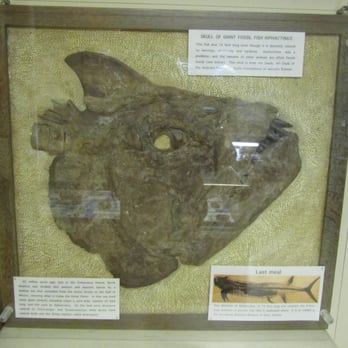
This is an amazing Museum! The other reviews stating it's size are incorrect. Although it is one room it's large enough to fit not only 2 full skeletons of a Giant Sloth and Glyptodon, but also housing multiple display cases containing a wide range of Minerals, rock and crystal formations, and Fossils from multiple time periods. Located at the back end of the large room is a gift shop which sells actual fossilized specimens ranging from Ammonites, to Trilobites, and even Fossilized Fish. I picked one up myself for a cheap price compared to overpriced gift shops everywhere else. Not to mention, the grand entrance to the museum has a full skeleton of a velociraptor in the hall inside of the building. Overall, I would rate this place 11/10 for anyone looking for unique mineral and fossil specimens.
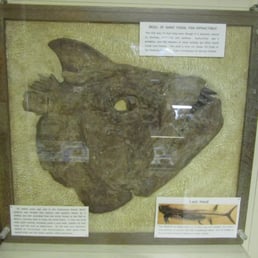

This tiny, under 1,000 sq ft., museum is located inside Orton Hall on OSU's Oval is possibly the smallest museum I've ever seen. There's really not much that I can add to the previous reviews except that my favorite part of it is the skeletons. There's a Giant Sloth, a T-Rex head, and the Glyptodon (a huge prehistoric armadillo). Add in some displays of crystals, minerals and fossils and you get a cool little museum that has free admission. I'd recommend it for anyone with kids too if you are in the vicinity.


Cool place. I just wish the pay to park machine worked. Small but quaint myseum.it is not that small. Took over an hour to go through all the geodes And minerals. It is really cool to visit. Free also. Can't beat that .


2 years ago
A lovely little museum on the OSU campus. It's totally free and you don't need to spend much time there, but you will learn a lot. They have a great display of fossils and gems found locally, in the US, and around the world. I also loved that they give you information about how the science of geology and paleontology has evolved in recent years, how scientists put together dinosaur skeletons, and even how to distinguish a fossil from a non-fossil. I enjoyed my time there! Parking is limited, so make sure you check signs before walking away from your car. read more


3 years ago
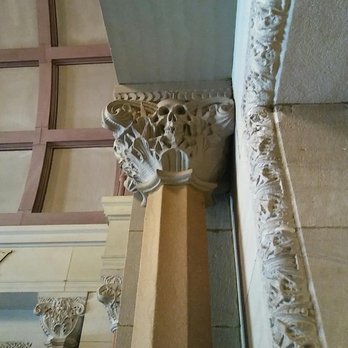
Located on the Oval at The Ohio State University, Orton Hall Geological Museum is the second oldest building (1893) on the campus. It houses a museum, library, The Din-O- Store shop, offices and laboratories. The museum holds 54,000 specimens and a research facility which has been visited by those in the Earth Science field from around the globe. The Hall is of the (Richardsonian Romanesque style) and is on the National Register of Historic Places. The Geological Museum is part of the School of Earth Sciences. It's founder Edward Orton was the first president of the University and Professor of Geology. Research, teaching and outreach is conducted here. During the hours of 8am-5pm, there is usually someone in the museum that will identify a rock, mineral or fossil that you bring to the museum. Many of the specimens were discovered in Ohio. Today, Ohio is situated at 40 degrees North but at one time it was 20 degrees south of the Equator about where Australia is today. Consequently, Ohio has outcroppings that date from the Paleozoic, Mesozoic and Cenozoic Eras which contain exotic fauna and flora. A special note, the museum has a bell tower and plays chimes which I always enjoyed except at 8 am in the morning. read more



4 years ago

4 years ago
Great place to get up close and personal. Come see the creatures and many stones and granites. read more


4 years ago
This is an amazing Museum! The other reviews stating it's size are incorrect. Although it is one room it's large enough to fit not only 2 full skeletons of a Giant Sloth and Glyptodon, but also housing multiple display cases containing a wide range of Minerals, rock and crystal formations, and Fossils from multiple time periods. Located at the back end of the large room is a gift shop which sells actual fossilized specimens ranging from Ammonites, to Trilobites, and even Fossilized Fish. I picked one up myself for a cheap price compared to overpriced gift shops everywhere else. Not to mention, the grand entrance to the museum has a full skeleton of a velociraptor in the hall inside of the building. Overall, I would rate this place 11/10 for anyone looking for unique mineral and fossil specimens. read more


This tiny, under 1,000 sq ft., museum is located inside Orton Hall on OSU's Oval is possibly the smallest museum I've ever seen. There's really not much that I can add to the previous reviews except that my favorite part of it is the skeletons. There's a Giant Sloth, a T-Rex head, and the Glyptodon (a huge prehistoric armadillo). Add in some displays of crystals, minerals and fossils and you get a cool little museum that has free admission. I'd recommend it for anyone with kids too if you are in the vicinity. read more


8 years ago


Cool place. I just wish the pay to park machine worked. Small but quaint myseum.it is not that small. Took over an hour to go through all the geodes And minerals. It is really cool to visit. Free also. Can't beat that . read more


9 years ago
Small museum showcasing dinosaur and marine life fossils. Super cool building. There is also a small florescent mineral exhibit that has glowing rocks under a black light. Would recommend taking a look at this place after grabbing brunch on High St.! It is free, which is the best part. read more




7 years ago


11 years ago
More info about Orton Geological Museum
155 S Oval Mall
Columbus, OH 43210
University District
Directions
(614) 292-6896
Call Now
Visit Website
https://ortongeologicalmuseum.osu.edu
Hours
Other Amenities
From the Business