Museu de Marinha Photos



Recommended Reviews - Museu de Marinha
Start your review...


Reviews With Photos


We did not want to wait in the very very long line for the monastery and saw tis on the end and wandered over and loved it! Very informative, great history, and amazing display. You have several parts, the museum proper with the artifacts, then the area with ships and planes and it is all worth exploring. We spent about an hour total. If you are into naval history, military history, or just a history nerd over all like I am, you will enjoy this museum. I had zero interest in going in and ended up reading everything and learning a lot! The Portuguese were at the forefront of maritime exploration and this is a great display of it. There was a small exhibit to the Portuguese war my father served in and it was great to learn more about it in a fairly neutral display for such a horrific war. They did a good job not glorifying it but presenting it neutrally as opposed to the other displays.

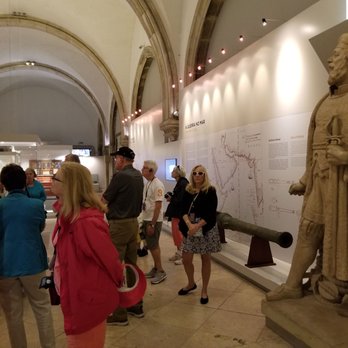
Thanks to a Tauck tour, I had the opportunity to visit the Maritime museum without lines. What a well thought out museum with wonderful exhibits. Our guide from Tauck was also very informative which made the visit much more enjoyable. I suggest a guide for this museum so you can really understand what you are actually viewing. I also enjoyed taking pictures freely in this museum which is not always the case in many other museums. This was my favorite museum in Lisbon. Don't miss it if you are visiting Lisbon for the first time.


11 months ago
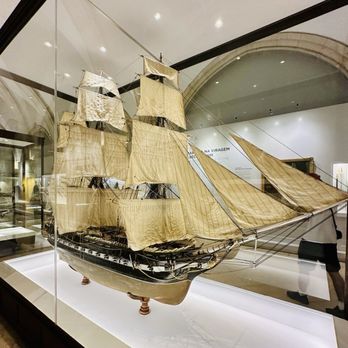
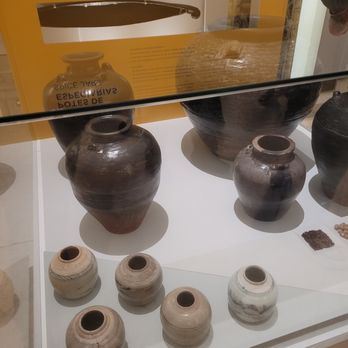
The Maritime Museum showcases the history and contributions of Portuguese navigators. My husband and I toured this museum for 8 euros each. In about one hour, we saw dozens of model and life-sized ships, canons, statues, paintings, coins, informational plaques, the king's and queen's cabins, a gift shop, and more. I felt most interested in the life-sized ships. Overall, I think that this museum is worth a visit if you are already in the area. read more


2 years ago
We were fortunate to come here as a Gate 1 tour. With tours you can skip the lines, so I like that about them, but of course you are on everyone else's schedule. I was torn between admiration of a culture playing to it's strengths (being surrounded by water has it's perks), and Derek L's view of colonialism. There was exactly 1 acknowledgement of how the country benefitted from slavery. It's a slippery slope of acknowledging how one acquired wealth but also realizing it occurred at a major violation of human rights. The room of boats was awesome, esp being able to view it from above on a balcony. The gift shop had some nice holiday themed items. read more




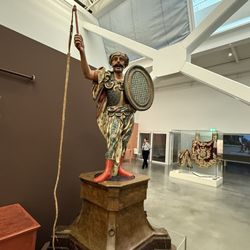
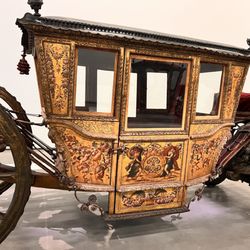
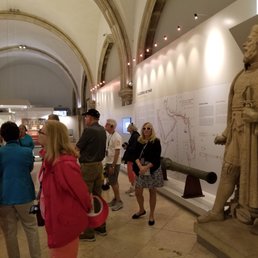
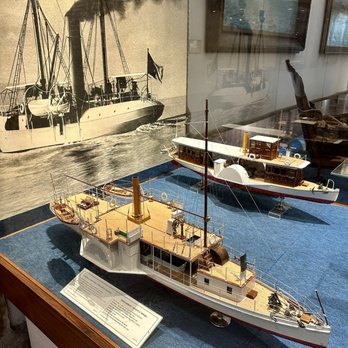
The Museu de Marinha (Maritime Museum) was one of the highlights of time in Lisbon. The Portuguese have such a rich maritime history, with all of their exploration, colonization, and conquest. And while the colonization and conquest was not the highlight of their history, it makes for a great museum. They have statues of the explorers, models of hundreds of ships from the early days of exploration through modern ships and warships. At the end of your walk through the museum they have a very large exhibit of royal ships and then sea planes. There is way too much to see in one visit, and I admit, it was tiring when we reached the end. However, it was fascinating. read more


3 years ago
We did not want to wait in the very very long line for the monastery and saw tis on the end and wandered over and loved it! Very informative, great history, and amazing display. You have several parts, the museum proper with the artifacts, then the area with ships and planes and it is all worth exploring. We spent about an hour total. If you are into naval history, military history, or just a history nerd over all like I am, you will enjoy this museum. I had zero interest in going in and ended up reading everything and learning a lot! The Portuguese were at the forefront of maritime exploration and this is a great display of it. There was a small exhibit to the Portuguese war my father served in and it was great to learn more about it in a fairly neutral display for such a horrific war. They did a good job not glorifying it but presenting it neutrally as opposed to the other displays. read more
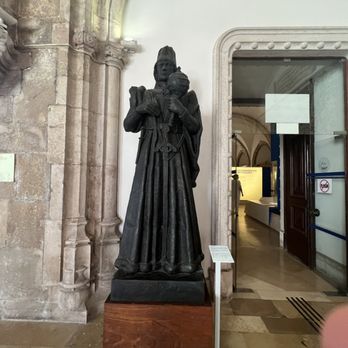


Thanks to a Tauck tour, I had the opportunity to visit the Maritime museum without lines. What a well thought out museum with wonderful exhibits. Our guide from Tauck was also very informative which made the visit much more enjoyable. I suggest a guide for this museum so you can really understand what you are actually viewing. I also enjoyed taking pictures freely in this museum which is not always the case in many other museums. This was my favorite museum in Lisbon. Don't miss it if you are visiting Lisbon for the first time. read more


9 years ago
Great Portuguese explorers once dominated the oceans of the world and this is a great place to understand the depth of their contributions. The collection of artifacts here are priceless to a military or naval historian. They also have a nice collection of paintings that depict many of the military happenings of this time period. The museum is organized nicely because it is currently run by the Portuguese Navy. This is a must stop for all history buffs. read more


10 years ago

7 years ago

10 years ago
11 years ago