I am an individual with Bipolar 1 who got diagnosed over three years ago in February 2018. I've been on both private and public health insurances, getting treatment from local hospitals and private practices like Huntington Hospital and Community Psychiatry. The huge barrier to mental health treatment is how it isn't covered in the same way as other health conditions like diabetes or a broken knee. This is why most psychiatrists, therapists and hospitals are PPO/no insurance/out-of-pocket, leading to those high medical bills of $30k for a 72 hour psych hold.
This is also why most people don't get treatments, myself included up until I got on disability insurance and medi-cal. Once you get through the hurdle of financing your mental health treatments, the next one is of course acknowledging you have a mental illness and realizing the limitations it gives you. Job loss, scrutiny over your psychiatrist's doctors note validity, downplaying depression as "laziness," and even ostracism from family members causing you to flush your meds down the drain are the other barriers to treatment.
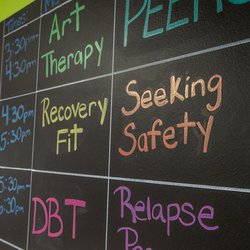
Once you determine you want to get treatment, the next barrier is what kind exactly. Psychiatric involuntary holds that are designed after prison systems? Drug rehab programs? Five different antidepressant and antipsychotics? Or how about talk therapy? Maybe holistic treatments? All of these options are what I had to seek out and learn about from other peers in support groups and several outpatient programs.
Oftentimes, you aren't given a proper, humane introduction to mental health. If you don't know beforehand to have a friend or family member bring you to the ER, good luck with calling 911, since that's a mix bag where either the cops know to bring you to the hospital, or choose to handcuff and put you into jail. Also, keep in mind these mental illness categories under Diagnostic and Statistical Manual of Mental Disorders (DSM-5) -- alcoholism, anorexia, autism, ADHD, Tourettes, Insomnia, gambling, PTSD, paranoia and even hoarding.
Now that you have a brief overview of mental illness barriers, I believe that Dr. Miller is one of the rare doctors that cares. She did my initial diagnosis paperwork of autism spectrum disorder before my subsequent Bipolar 1 diagnosis and also my accommodation letters. Unfortunately, she is full PPO/no insurance. She charges for this paperwork because doctors don't get paid to fill it out.
I think other medical conditions like diabetes and eczema are covered by insurance for disability paperwork but as mentioned before, I don't think behavioral health doctors are able to charge it to insurance. This is why you'll see them tell you to go to the other doctor for those, like your primary care physician. Or outright charge for the paperwork filling out as out-of-pocket. I am here today because they are one of the few behavioral health practices that care about giving the treatment to both a tough demographic and inflexible medical insurance companies. read more