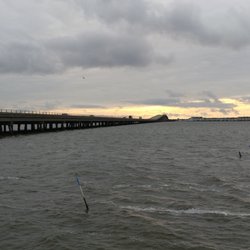
Marc Basnight Bridge Photos


More like Marc Basnight Bridge
Recommended Reviews - Marc Basnight Bridge
Start your review...



3 months ago

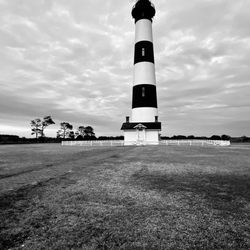
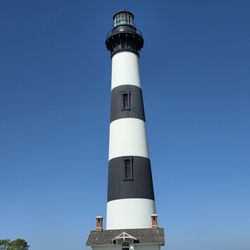
Completed in 1963, the Herber C. Bonner Bridge spanned the Oregon Outlet. It replaced driving along the beaches to get to the lower islands of the Outer Banks. A series of low-level spans with a high-rise section in the center section for boat traffic, it was 2.7 miles long and built on pilings driven deep. A challenging installation due to the shifting terrain and dynamic coastal geology of the Outer Banks. In time, the bridge suffered from corrosion and souring and structural fatigue due to the saltwater exposure and frequent storms. It was replaced in 2019 by the Marc Basnight Bridge which has a much more advanced design. This new bridge uses stainless steel reinforcements and high-durability concrete to withstand the harsh marine environment. The centerpiece is a 3,550-foot-long unit composed of eleven spans, each 350 feet long, making it the third-longest continuous segmental concrete box girder in North America. It spans about 2.8 miles and features a high-rise navigation span with 100 feet of clearance to accomodate larger vessels. Its design includes deeper pilings--some driven over 100 feet into the seabed--to ensure stability in the ever-shifting inlet. Architecturally, it's sleek and modern, with graceful curves and improved safety features like wider lanes and shoulders. And it's designed for a 100-year service life. It is smooth and easy and the views are incredible. From the high span heading north, you might be able to see the Bodie Island Lighthouse off to the left. There is no stopping or parking on the bridge and there is no toll. For a nice view, stop at the Bonner Bridge Pier on the south side. Some of the old bridge was retained as a fishing pier with parking and porta-potties. [Review 802 of 2025 - 4234 in North Carolina - 24362 overall] read more