Jughandle Bridge Photos


More like Jughandle Bridge
Recommended Reviews - Jughandle Bridge
Start your review...



3 months ago

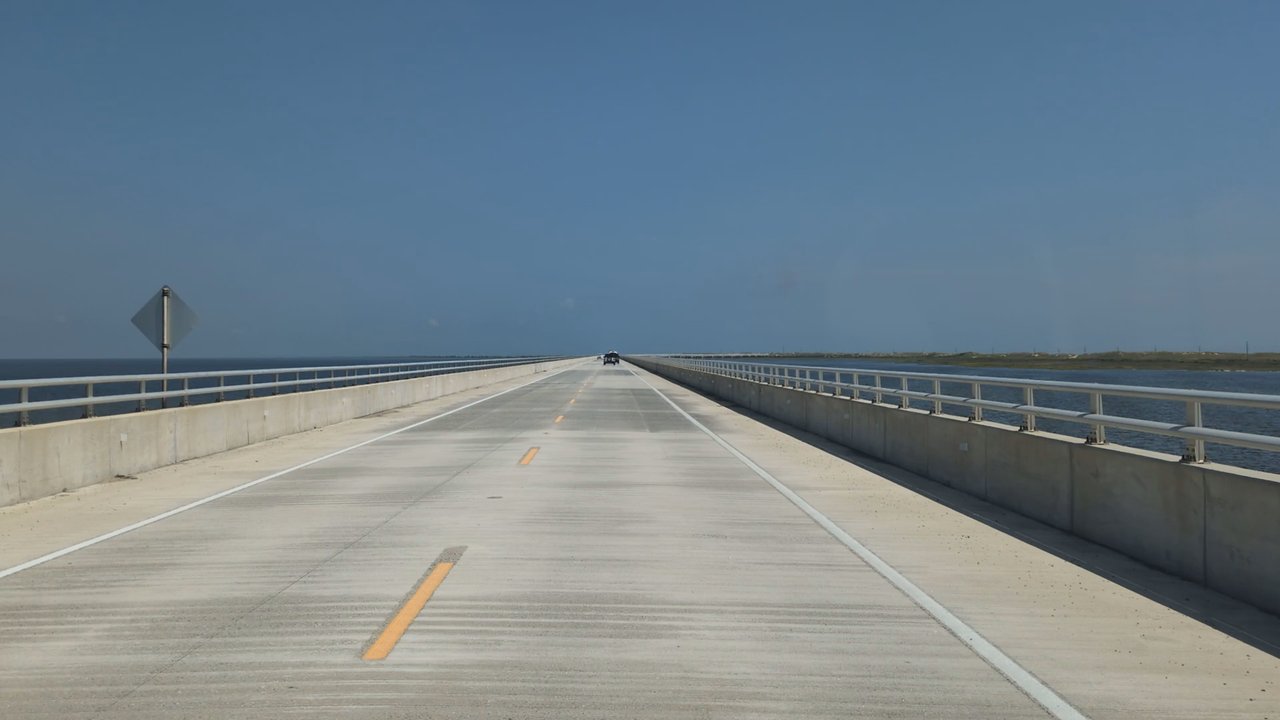
An impressive example of climate-resilient infrastructure created to safeguard one of North Carolina's most vulnerable coastal passages is the Jug Handle Bridge at Rodanthe, sometimes referred to as the Rodanthe Bridge. Decades of battle with erosion, flooding, and storm damage along NC Highway 12, especially the infamous "S-curves" just north of Rodanthe, are the foundation of its history. These low-lying stretches were frequently washed out by hurricanes, nor'easters, and even routine tidal events, cutting off access to Hatteras Island and threatening the region's tourism-driven economy. With a total estimated cost of $145 million, the bridge's construction was finished in July 2022, having started in September 2018. The bridge's "jug handle" design comes from a legal deal with environmental groups that made the project viable by allowing it to swing westward into the Pamlico Sound, avoiding the Pea Island National Wildlife Refuge. This alignment stayed clear of the most prone locations to erosion while also avoiding sensitive habitats. The bridge was designed with a 100-year service life in mind and spans 2.4 miles. It has deep foundations that can withstand hurricane-force winds and wave activity up to 17 feet above the subsurface, stainless steel reinforcing, and precast concrete components. By allowing water and sediment to flow freely beneath, its trestle design reduces ecological disturbance and enhances long-term resilience. It is an absolutely beautiful piece of engineering and worth stopping if you can to admire. There is no toll for the bridge. [Review 803 of 2025 - 4235 in North Carolina - 24363 overall] read more