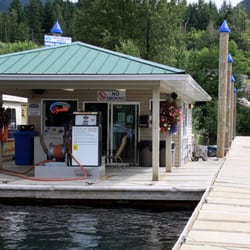
the david foster harbour pathway in victoria stretches for roughly 5 km along the edge of the…read moreharbour, running between ogden point and the rock bay area, depending on where you begin and end your walk. it's an easy, mostly level route that threads together waterfront promenades, boardwalks, causeways, park paths, and the occasional short street connection, always staying close to the water.
what makes it stand out is less the path itself and more the harbour it traces. the entire walk feels alive with movement. kayakers slip quietly through the calmer water near fisherman's wharf and the inner harbour, while harbour ferries cut steady lines between downtown, songhees, chinatown, and the surrounding waterfront neighbourhoods. floatplanes rise and settle throughout the day, briefly skimming the surface before disappearing into the sky, and passenger ferries come and go in a constant rhythm. it all blends into a kind of layered motion, as if the harbour never really pauses.
the pathway is named after david foster, the victoria born, grammy award winner, producer, songwriter, and composer whose work spans decades and includes songs like i will always love you, all by myself, and st. elmo's fire (rick hansen's man in motion). the name itself, though, came later. the route had already existed for years as part of victoria's broader harbour walkway system before being officially renamed in 2010 during the city's 150th anniversary celebrations. the dedication also marked the 25th anniversary of the david foster foundation, recognizing both his musical legacy and his philanthropic work.
even so, the name often feels secondary to the experience. many people still refer to it simply as the harbour pathway, and in practice it functions less as a standalone trail and more as a continuous extension of the inner harbour itself. the david foster designation sits gently on top of something that was already fully formed, more a recognition than a reinvention.
in the end, it doesn't feel like a conventional walking route. it feels more like a corridor through a living waterfront, where pedestrian paths, marine traffic, tourism, and everyday city life overlap without ever fully separating. ferries, floatplanes, cyclists, locals, and visitors all move through the same frame, and the scene never quite repeats itself, even if you walk it twice in the same day.