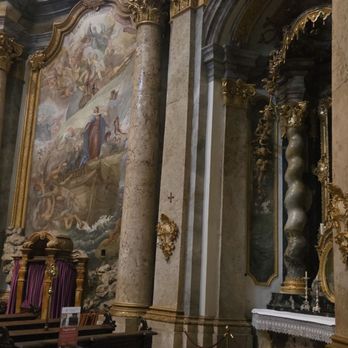
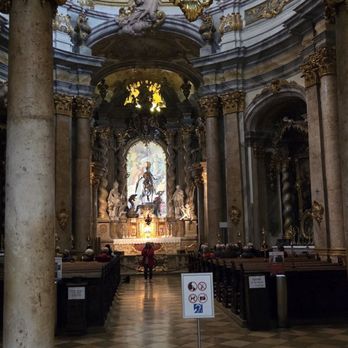
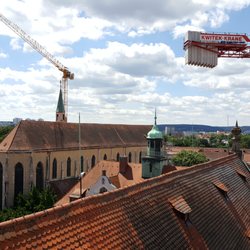
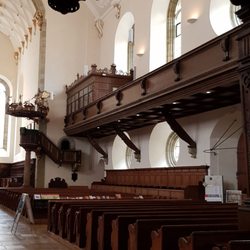
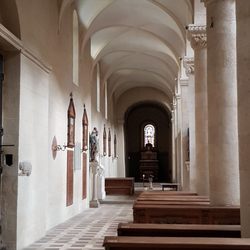
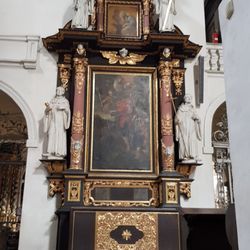
Artobriga (hohe Burg) soll die bis in die Bronzezeit zurückreichende Bergbefestigung an der hiesigen Donauschleife geheißen haben und schon von den Kelten mit Wall und Graben gesichert worden sein. Ihre strategische Bedeutung unterstreicht das schon kurz nach der Zeitenwende in der römischen Geschichtsschreibung beschriebene römische Kastell an eben dieser Stelle. Geschichtlich gesichert ist im achten Jahrhundert der Bau einer kleinen Mönchsiedlung durch iro-schottische Mönche am Ort dieses Kastells. Diese Mönchsiedlung als Kloster' oder gar als ältestes Kloster Bayerns' zu bezeichnen, ist nicht sachgerecht. Herzog Tassilo II. soll es gewesen sein, der im achten Jahrhundert diese Mönchssiedlung dadurch wieder belebt haben soll, dass er sie an das Donauufer verlegt und die Weltenburger Mönche die Regel des Hl. Benedikt angenommen haben. In einer Urkunde von 1128 wird ein umfangreicher klösterlicher Grundbesitz erwähnt und die folgenden Jahrhunderte brachten gute und weniger gute Zeiten, ein Blühen und dann wieder ein Verarmen der Klostergemeinschaft. Gründe hierfür waren neben anderen die wenig günstige Lage abseits der großen Verkehrswege, Misswirtschaft einzelner Äbte und insbesondere die Kriegswirren des Schmalkaldischen und vor allem des Dreißigjährigen Krieges. 1686 war das Kloster Mitbegründer der Bayerischen Benediktinerkongregation. Die dann folgende Blütezeit ist eng verknüpft mit Abt Maurus (1713 gewählt), der mit dem Abbruch der alten und dem Bau der neuen, barocken Klostergebäude begann. Die Brüder Cosmas uns Egid Assam beauftragte er mit der Bau- und Ausstattungsplanung der neuen Kirche. Obwohl der 9. Oktober 1718 als Kirchweihdatum niedergeschrieben ist, war die Kirche zu diesem Zeitpunkt längst noch nicht fertig. Das Deckengemälde wie der Hochaltar datieren 1721 und ein Großteil der weiteren Innenausstattung brauchte bis 1735. Durch die Säkularisation stand das Kloster fast vierzig Jahre lang leer, 1842 wurde es von König Ludwig I. wiedergegründet und seit 1913 ist es wieder eine Abtei. Heute betreuen die Weltenburger Mönche umliegende Pfarreien und unterhalten die Begegnungsstätte St. Georg.
Die Klosterbrauerei Weltenburg besteht schon seit 1050. Ob sie damit wirklich die älteste Klosterbrauerei der Welt ist, bleibt fraglich, denn auch die Bayerische Staatbrauerei Weihenstephan beansprucht für sich diese Titulatur. Das Weltenburger Kloster Barock Dunkel dagegen wurde schon 2004 und dann auch 2008 als weltbestes Dunkelbier mit dem World Beer Award ausgezeichnet.
Die Klosterschänke birgt eine Vielzahl verschiedener und geschmackvoll eingerichteter Räumlichkeiten. Dabei bieten die alten Klosterräumlichkeiten wie etwa das frühere Refektorium ein ganz besonderes Flair für große und kleinere Festivitäten. Der Klosterinnenhof und der dortige Kastanienbaumbestand bieten ein ideales Ensemble für einen urig-gemütlichen Biergarten. Da für die allermeisten Gäste der Besuch des Donaudurchbruchs und des Klosters zumeist bei schönem Wetter unternommen wird, sind die Gartenplätze die mit Abstand beliebtesten.
Die Speisekarte bietet Tagesspezialitäten' (u.a. Suppen, Salate, Grill und Pfanne), Traditionsgerichte' (u.a. Schweinebraten, Schweinshaxe, Spanferkel, frische und geräucherte Forellen), Brotzeiten' (u.a. Klosterschenke-Spezialitäten wie Weltenburger Klosterkäs, Braumeister Brotzeitbrett'l oder mit Barock-Dunkel angemachter Obatzter); Kuchen und Desserts vervollständigen das Ganze. Nach eigenem Bekunden legt der Koch besonderen Wert auf die Berücksichtigung der regionalen Küche und saisonaler Produkte. So fehlt hier zur jeweiligen Jahreszeit weder der Abensberger Spargel noch das Altmühltaler Weidelamm. Wir haben Regional-Deftiges gewählt und wie schon oft bei unsren regelmäßigen Besuchen frische Forellen, dies entspricht unseres Erachtens am ehesten den Fähigkeiten der Küche. Alles, was wir geordert haben, war wie immer korrekt aber ohne jede Finesse zubereitet und leider einfallslos angerichtet. Ob wirklich alle Zutaten frisch gewesen sind, dessen waren wir uns nicht sicher. Auch wenn alles eher durchschnittlich schmeckt, lassen wir uns bei jedem Besuch zum Essen verführen, obwohl die schöne Hofatmosphäre bei einem bloßen Getränk ebenso gut zu genießen geht.
Der Service bietet ausreichend Kräfte für die großen Besucherströme, die ununterbrochen den Klosterinnenhof anlaufen. Die Tische sind auf die jeweiligen Kräfte aufgeteilt, wobei ein gegenseitiges Aushelfen immer wieder zu beobachten geht und eine gute Betriebsatmosphäre vermuten lässt. In stilvoller Tracht agieren alle fast schon zu routiniert. Mit großer Geschäftigkeit wird hin und her geeilt, ohne dass dies immer so vonnöten wäre. Alle Abläufe wirken fast schon stereotyp, trotz durchaus vorhandener Freundlichkeit wie bloße Pflichtabsolvierung. Hier brächten schon wenige Korrekturen erhebliche Niveauverbesserung. Dringend gebotene Korrektur betrifft die Art und Weise des Servierens. In noch so dicht besetzten Lokalitäten und eben read more