Kellogg Company Photos


You might also consider


More like Kellogg Company
Recommended Reviews - Kellogg Company
Start your review...

Reviews With Photos


My fondest early Dad memories are sitting on our front porch, at night, after he got home from 2nd shift at the mill. We would sit, mostly on silence, while we ate a big bowl of Kellogg's Corn Flakes, it was a pretty regular ritual and I cherished those special moments. While I have been a consumer of so many Kellogg's products for my entire life. The aforementioned Corn Flakes, Rice Krispies, Special K, Cheerios, Raisin bran, Apple Jacks, and more, plus the occasional Pop-Tarts or Eggo or Nutri-Grain or Special K bars have found their way into my breakfast diet over the years. Then snack wise who doesn't dig some Cheez-It crackers, Famous Amos cookies, or Pringles? Seriously ;-) I've probably tried about everything the make, well maybe not the MorningStar Farms veggie burgers, but if I put them in a couple Eggo waffles, who knows what might happen. LOL But the reason for this review is to rave about my latest Kellogg's discovery. Thanks to spending nearly 5 days in the hospital, with my sweetheart, I made multiple trips to the vending machines where, by chance, I hit the button for Cheez-It Snap'd chips. I saw baked, Cheddar Sour Cream & Onion, and 100% real cheese and thought why not. Sure, I will admit to eating an entire box of Cheez-It's in one sitting, and I've had the Puff'D, Grooves, Duoz, as well as Extra Crunchy and the Snack Mix but there's something special about Snap'd. They've definitely found my sweet spot with light, crunchy, cheesy goodness that will no doubt be my future favorite cracker of choice. Bottom line: Kellogg's has been a household name for over 100 years, and next 100 are looking pretty good. I will be Cheez-It Snap'd customer for years to come!! Try 'em, bet yo can't eat just one :-)
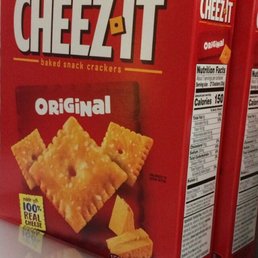

In 1876, John Harvey Kellogg became the superintendent of the Battle Creek Sanitarium. By the time Covid-19 gets through with me sanitarium food will be my norm! The two Kellogg Brothers wanted to improve the patients vegetarian diet. That's how the corn flake was born. Maybe that's where the term flakey came from! The list of Kellogg Cereals and products is astronomical. I love frosted mini wheats. I don't eat a lot of their products in my old age. Way too much sugar. I enjoy Cheez It's now and then. This company is noted for misleading advertising in the past. All I need to do is read the labels to know it's not good for me! There's plenty of documentaries about the Kellogg's and the Company. About two months ago I watched one on CUNY TV. That's City University of New York for those of you that don't live here. I've said it before but I'll say it again. Healthy or not Kelloggs has your attention and your grocery money. Do your homework before you put it in your families kitchen. If they're not keeping us fit nutritionally let's make them adapt!


Everyone enjoys a snack and one of mine has always been "Cheez It's". They are made by the Kellogg Company. The original founders of Cheez It's was Green - Green Company in 1921. Then they were acquired in 1932 by Sunshine Foods. Then in 1996 Keebler Company acquired them from Sunshine Foods. Then in 2001 Kellogg company acquired them from sunshine. Quite a history with Cheez It's. Kellogg Company has several manufacturing plants in 180 countries. We all remember Cornflakes and many other cereals they manufacture. I always liked Cornflakes, "they're great". LOL We all like chips, pretzels, etc., but 1 of my favorites is Cheez It. They come in 14 varieties. There's no Trans Fat no Cholesterol or Sugar. 1 gram dietary fiber, 3 grams of protein. So if you like cheese, give "Cheez It" a try.
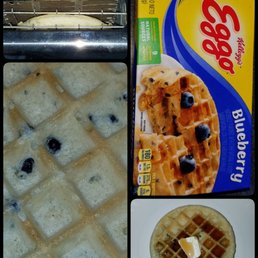

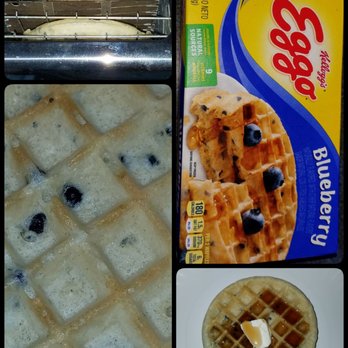
I like corn flakes I cannot lie pour in some almond milk and it sure to satisfy. A few weeks ago I was watch Netflix's Stranger Things and all of sudden hunger it brings so down the street I drive to Kroger got stuck behind some ole lady croaker who shouldn't be allowed behind a motor... So I went to the back towards the frozen aisle I also figure I should pick up some toothpaste and Dial Walked all around until I found my blueberry eggos where the front of box has a photo that show a round waffle thingie with butter and syrup overflow Went through the self check out line near the right seemed the quickest since it was nearly midnight talked to the dude cashier who has great wit also cause he looks like Doctor Who's David Tennant. When I got home in the toaster my eggos goes I made sure the dial was turned onto medium toast cause burnt eggos would be totally gross. So Thanks Kellogs for my midnight snack I also like coco puffs, Cheeze it and Apple Jack.


In regards to HONEY SMACKS! I have to double check the expiration date to make sure they weren't old! The taste stale & no honey taste! I gee why they had to change the recipe because of the salmonella incident but WHO CARES!! I won't be buying these again unless they go back to the old guy recipe!


Frosted Flakes: This is another sugary cereal on the long list of my childhood favorites. It was first introduced in 1952 and is still going strong today. There have been numerous varieties through the years, but there are currently five or six different varieties actively available from Kellogg's depending on when I post this. Tony the Tiger has been the cereal's mascot since its inception and is often heard delivering his iconic phrase "they're gr-r-reat!". The concept of the cereal is fairly basic as it is crunchy corn flakes covered in a sparkling sugar frosting. I enjoy eating this cereal with milk or dry, but a word of caution when eating dry as the crunchy corn flakes can cause havoc on the mouth. It was good with Saturday morning cartoons back in the day and today I still think they taste gr-r-reat! Doughboy approved Doughboy_Food_Reviews My Favorite Sugary Cereals: 1. Cinnamon Toast Crunch (as well as Sugar Cookie and Tres Leches Toast Crunch) 2. Waffle Crisp 3. Frosted Flakes 4. OREO O's 5. Cap'n Crunch read more


Who doesn't love a bowl of cereal of one of the beloved flavors made by the Kellog Company? Heck, I enjoy so much that I have Kellog branded bowls in various designs. They have a line to measure one cup, which I love for portioning out. Nothing beats a weekend at home with a bowl of cereal while cozy in the recliner! Recently, I enjoyed watching a nostalgic cartoon (X-men Evolution) with a bowl. Yum! read more


2 years ago

1 year ago


4 years ago
My fondest early Dad memories are sitting on our front porch, at night, after he got home from 2nd shift at the mill. We would sit, mostly on silence, while we ate a big bowl of Kellogg's Corn Flakes, it was a pretty regular ritual and I cherished those special moments. While I have been a consumer of so many Kellogg's products for my entire life. The aforementioned Corn Flakes, Rice Krispies, Special K, Cheerios, Raisin bran, Apple Jacks, and more, plus the occasional Pop-Tarts or Eggo or Nutri-Grain or Special K bars have found their way into my breakfast diet over the years. Then snack wise who doesn't dig some Cheez-It crackers, Famous Amos cookies, or Pringles? Seriously ;-) I've probably tried about everything the make, well maybe not the MorningStar Farms veggie burgers, but if I put them in a couple Eggo waffles, who knows what might happen. LOL But the reason for this review is to rave about my latest Kellogg's discovery. Thanks to spending nearly 5 days in the hospital, with my sweetheart, I made multiple trips to the vending machines where, by chance, I hit the button for Cheez-It Snap'd chips. I saw baked, Cheddar Sour Cream & Onion, and 100% real cheese and thought why not. Sure, I will admit to eating an entire box of Cheez-It's in one sitting, and I've had the Puff'D, Grooves, Duoz, as well as Extra Crunchy and the Snack Mix but there's something special about Snap'd. They've definitely found my sweet spot with light, crunchy, cheesy goodness that will no doubt be my future favorite cracker of choice. Bottom line: Kellogg's has been a household name for over 100 years, and next 100 are looking pretty good. I will be Cheez-It Snap'd customer for years to come!! Try 'em, bet yo can't eat just one :-) read more


7 years ago
In 1876, John Harvey Kellogg became the superintendent of the Battle Creek Sanitarium. By the time Covid-19 gets through with me sanitarium food will be my norm! The two Kellogg Brothers wanted to improve the patients vegetarian diet. That's how the corn flake was born. Maybe that's where the term flakey came from! The list of Kellogg Cereals and products is astronomical. I love frosted mini wheats. I don't eat a lot of their products in my old age. Way too much sugar. I enjoy Cheez It's now and then. This company is noted for misleading advertising in the past. All I need to do is read the labels to know it's not good for me! There's plenty of documentaries about the Kellogg's and the Company. About two months ago I watched one on CUNY TV. That's City University of New York for those of you that don't live here. I've said it before but I'll say it again. Healthy or not Kelloggs has your attention and your grocery money. Do your homework before you put it in your families kitchen. If they're not keeping us fit nutritionally let's make them adapt! read more


6 years ago
Everyone enjoys a snack and one of mine has always been "Cheez It's". They are made by the Kellogg Company. The original founders of Cheez It's was Green - Green Company in 1921. Then they were acquired in 1932 by Sunshine Foods. Then in 1996 Keebler Company acquired them from Sunshine Foods. Then in 2001 Kellogg company acquired them from sunshine. Quite a history with Cheez It's. Kellogg Company has several manufacturing plants in 180 countries. We all remember Cornflakes and many other cereals they manufacture. I always liked Cornflakes, "they're great". LOL We all like chips, pretzels, etc., but 1 of my favorites is Cheez It. They come in 14 varieties. There's no Trans Fat no Cholesterol or Sugar. 1 gram dietary fiber, 3 grams of protein. So if you like cheese, give "Cheez It" a try. read more



I like corn flakes I cannot lie pour in some almond milk and it sure to satisfy. A few weeks ago I was watch Netflix's Stranger Things and all of sudden hunger it brings so down the street I drive to Kroger got stuck behind some ole lady croaker who shouldn't be allowed behind a motor... So I went to the back towards the frozen aisle I also figure I should pick up some toothpaste and Dial Walked all around until I found my blueberry eggos where the front of box has a photo that show a round waffle thingie with butter and syrup overflow Went through the self check out line near the right seemed the quickest since it was nearly midnight talked to the dude cashier who has great wit also cause he looks like Doctor Who's David Tennant. When I got home in the toaster my eggos goes I made sure the dial was turned onto medium toast cause burnt eggos would be totally gross. So Thanks Kellogs for my midnight snack I also like coco puffs, Cheeze it and Apple Jack. read more


7 years ago
In regards to HONEY SMACKS! I have to double check the expiration date to make sure they weren't old! The taste stale & no honey taste! I gee why they had to change the recipe because of the salmonella incident but WHO CARES!! I won't be buying these again unless they go back to the old guy recipe! read more


5 years ago

7 years ago
The hidden inflation tax is alive and well, I just opened this box of crackers and noticed how low the cracker stacks are. This is way more than the space used to be, and besides, the crackers are broken anyway. Not happy... read more


4 years ago
5 years ago
5 years ago

10 years ago