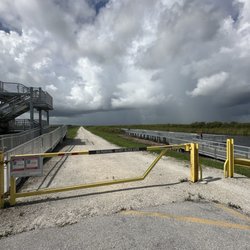
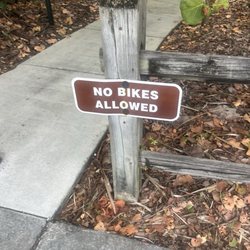
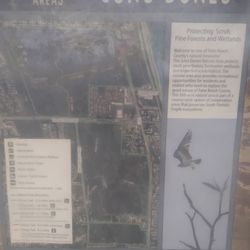
Hog Hammock Trail Photos


You might also consider


More like Hog Hammock Trail
Recommended Reviews - Hog Hammock Trail
Start your review...



2 years ago
My favorite trail to go to. There's 2 trails to take and both were equally amazing! One was a lot shorter but more of a natural pathway and the other is paved but beautifully built I hope you enjoy this place as much as I do read more

9 months ago

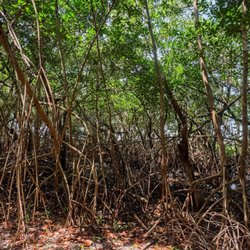
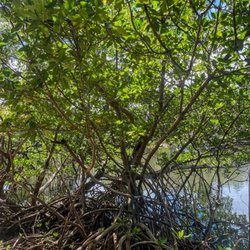
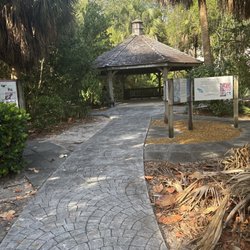
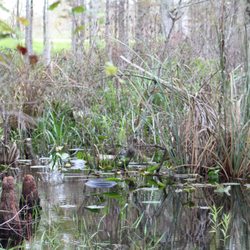
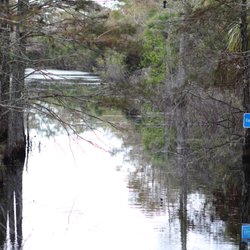
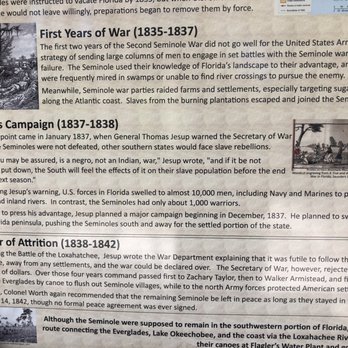
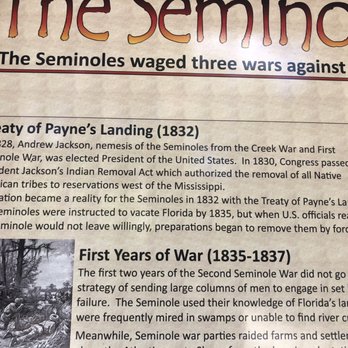
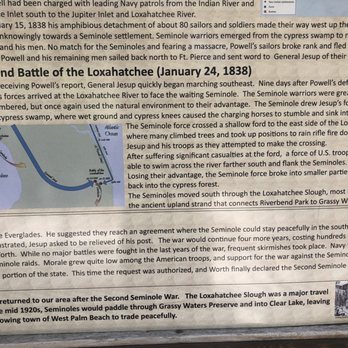
Hog Hammock Trail is located in Grassy Waters Preserve, a 23 square mile wetlands ecosystem that supplies the fresh water to Palm Beach and it's municipalities. There are restrooms and water adjacent to the parking lot. According to a sign at the start of the trail Hog Hammock Trail sits on the Hog Island Chain, a geologic formation known as a Paleistocene Sand Ridge which was created during the Ice Age during warm and cold interglacial periods. 120,000 years ago the Hog Island Chain was an ancient coastal and dune that created the drier, higher land the trail is on surrounded by wetlands. The 1.9 mile loop trail is crushed concrete with intermittent boardwalks. It is mostly shaded and is good for hikers and bikers. The trail goes through a tropical hammock and a cabbage palm hammock. It is bordered by the vast wet prairies of the slough that are a combination of restored and natural wetland communities which also includes mesic pine flatwoods, forrested wetlands, and cypress domes. Bears, snail kite, red shouldered hawk, barred owl, otter, bobcat, feral hog, oak toad, wild turkey, and white-tailed deer have been reported here. The only animal I saw was a bird. One of my favorite finds on the trail was a Seminole chickee hut which contained an interpretive sign giving the history of the Seminole Wars. The Battle Of Okeechobee (December 25, 1837) and the First Battle of the Loxahatchee (January 15, 1838) were both listed. I was able to go to reenactments of both battles earlier this year. I loved this quote I found on a sign written by a soldier who fought in the Second Seminole War. "If the Devil owned both Hell and Florida, he would rent out Florida and live in Hell!" After having been bitten by the flies here, he may have had a point. After three Seminole Wars the Seminoles ultimately prevailed and 200 of them were left after the army cleared out. The descendants of those resistors make up the Seminole Tribe of Florida today. Next to the chickee hut is the option of adding on the dead end one mile long Promontory Trail but I skipped it. The horrible black biting flies drove me out. I only opted to do the Hog hammock Loop because I couldn't take it anymore. By the time I emerged my legs were bleeding and covered in bites. Bug spray is a must here. After you complete this trail you can hike the Eagle Trail across the road or the mile long Cypress Boardwalk across the street. Both trails have less bugs. read more



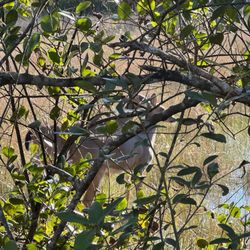
Hog Hammock trail sits on the Hog Island Chain, which is a geologic formation known as a Pleistocene Sand Ridge. The Pleistocene Epoch (1.8 million to 10,000 years ago), also known as the "Ice Age," was actually made up of both cold glacial periods and warm interglacial periods. During glacial periods, sea water was incorporated into expanding ice sheets, dropping sea level. At peak glacial stages, sea level was as low as 400 ft below present level, and Florida was up to 3 times its current size. During interglacial periods, Earth's climate warmed, melting the ice sheets, and raising sea level. At peak interglacial stages, sea level was 100 ft above present level. During the last Pleistocene interglacial period, 120,000 years ago, the Hog Island Chain where one currently stands, was a coastal sand dune, built up by breaking waves depositing sand onto the shoreline. The ancient sand dune remains higher in elevation than the surrounding wetland, creating the drier upland on which Hog Hammock Trail is found. Mastodons and saber tooth tigers could be found here. Hog Hammock trail is 4.23 miles in walking distance. It is bikeable with intermittent boardwalks, containing restored and natural wetland communities. Wildlife viewing supposedly are red shouldered hawks, osprey, otter, bobcat, feral hog, oak toad, wild turkey, white-tailed deer, and coyote. I did not see any of these creatures, but I did see an armadillo (he left before I could turn on my camera), grasshoppers, and an opossum (in pictures). The trail is okay, I would have liked to see more wildlife, at least some of the ones that are listed, but no such luck. There are a few shelters to protect you from the rain, canoe rentals, nice bodies of water and the best thing is, you get a decent amount of exercising while breathing clean air and being one with nature. read more


More info about Hog Hammock Trail
8537 Northlake Blvd
West Palm Beach, FL 33412
Directions
(561) 822-2222
Call Now
Hours
Outdoor Amenities