Historic Kissengen Spring Photos
More like Historic Kissengen Spring
Recommended Reviews - Historic Kissengen Spring
Start your review...



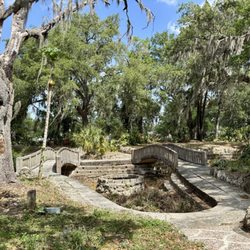
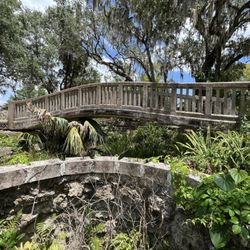
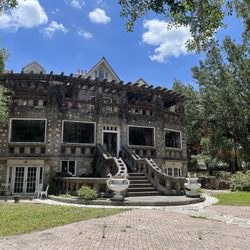
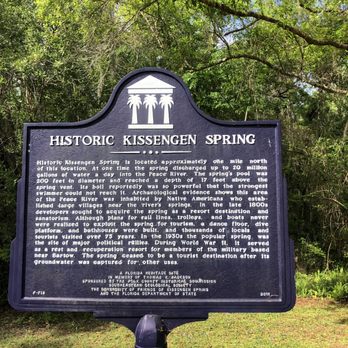
This historical marker about Kissengen Spring is located in Mossaic Peace River Park across from the restrooms. Once located about a mile north of the park, Kissengen Spring was a natural flowing spring outside the town of Bartow, the county seat of Polk County. Sadly it no longer exists. Floridians love their springs. There is something so tranquil about their cold crystalline waters. Many Native People thought of the waters as being sacred and having healing properties. They established villages near the springs. One such natural spring used to exist n Polk County at the basin of the Peace River. It was originally named DeLeon Springs after famed Spanish Fountain of Youth explorer, Ponce DeLeon. In 1883 the springs were purchased by medical doctors named Huddleston. They wanted to turn the springs into the kind of spas and therapy facilities you see in Europe. The name "Kissengen Springs" was taken from the baths in Bad Kissengen in Bavaria, Germany. The spring produced more than 20 million gallons of water a day that discharged into the Peace River and it became a natural attraction to the people of southern Polk County. People with ailments would seek the spring where they enjoyed picnicking, boating, and swimming. There was a pavilion for parties and dancing. In the 1930's political rallies were held here. After WWII soldiers came to the spring to recuperate. In the 1950's the spring stopped due to phosphate mining in the area. Mossaic Peace River Park is on the land that used to be the phosphate mine. The springs of Florida are such a treasured resource that is truly terrible to learn about the destruction of one. There is a moving song about the demise of the spring. https://youtu.be/J5GWp2x6xik The song is performed by Dennis Mader, a member of People for Protecting Peace River. read more