Hidcote Manor Garden Photos



Recommended Reviews - Hidcote Manor Garden
Start your review...


Reviews With Photos


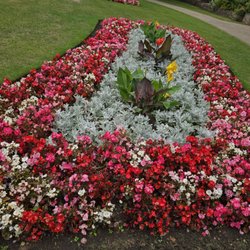
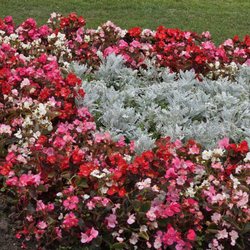
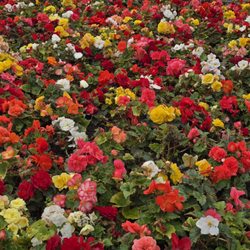
I have had the pleasure of visiting Hidcote twice now, and have found it to be a completely different and unique experience each time. It is a beautiful property, divided into several garden rooms, each more impressive than the last. My partner is originally from London, and has spent considerable time at Hidcote in the past, but my first visit was in April. The garden was not yet in bloom, and a light rain chased other visitors away, so we had the place to ourselves. It was very pleasant strolling through the gardens, all a lush green at that time of year. Additionally, it was lambing season, so we were able to observe some of the spring lambs at play. When we returned in May, the garden was dramatically changed and truly exquisite. An impressive and colorful array of flowers greeted us at every turn, and the gardens were alive with visitors. We took afternoon tea in the Garden Restaurant and relished sitting in the sunshine. The gift shop was bustling as well, with patrons buying plants to take home. Parking at Hidcote is free, but you might be inclined to walk, as we did; there are several Cotswolds walks that will take you to the property. If you are not a National Trust member, it will cost about £9 (adult) to enter Hidcote.


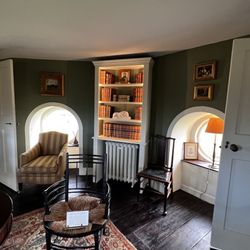
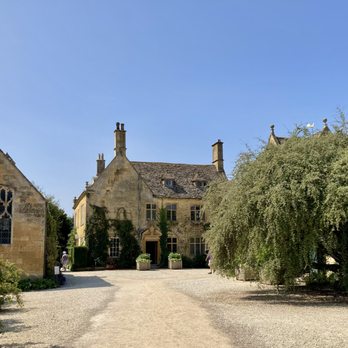
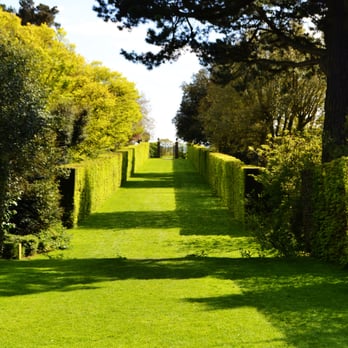
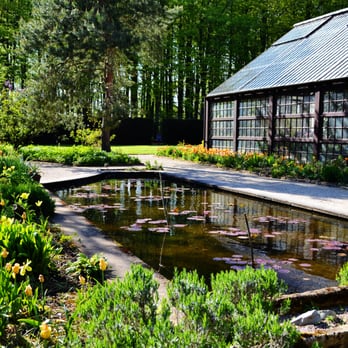
Hidcote is one of the National Trust's best-known gardens; as an example of an Arts & Crafts garden laid out to comprise different "rooms", it was influential in the design of many others. Hidcote was created by the American Lawrence Johnston. He and his mother frst moved to the UK in 1900, their wealth originating in the US stockbroking business. He became a naturalised British citizen, and fought with distinction in the Boer War, where he also became interested in the diverse flora of South Africa, as well as the First World War. His mother - Mrs Gertrude Winthrop - bought the Hidcote Manor estate in 1907, and Johnston immediately set about developing the gardens there, a project that lasted for 40 years, and including organising plant-hunting expeditions around the world. In the meantime, he also purchased a property in the south of France, and retired there permanently in 1948, at which point the National Trust acquired Hidcote. Today, the ground floor rooms of the Manor House are open to the public, and the adjacent mediaeval chapel is in use as a second-hand bookshop. But the main attraction is the 10 acres of gardens include a wide variety of planting styles, from intimate secret gardens with ponds and fountains, to dramatic lengths of herbaceous border, topiary, formal avenues of trees, and expanses of lawn. The renown of the garden is such that it regularly hosts the BBC's Gardeners' World TV programme. The garden is at its best in early summer, but there is interest year round. Note parts of the garden are at different levels, so there is no level access to all areas. The site includes a shop and cafeteria, serving the usual National Trust selection of light meals and cakes. There is a large car park across the lane from the Manor House. read more

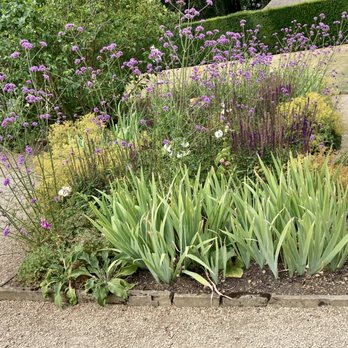


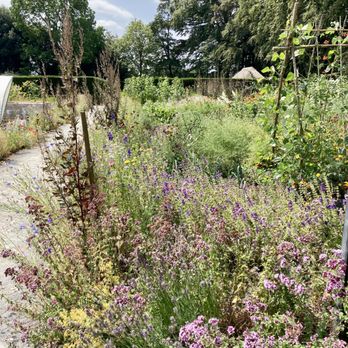


This was a highlight of the time we spent in the Cotswolds. Words can't describe how absolutely beautiful the Hidcote Garden is. What is most impressive is the variety of different areas in the garden that are all impeccably done. This is both a lovely place for a quiet stroll or outdoor lunch. The cafe has surprisingly good English food. read more
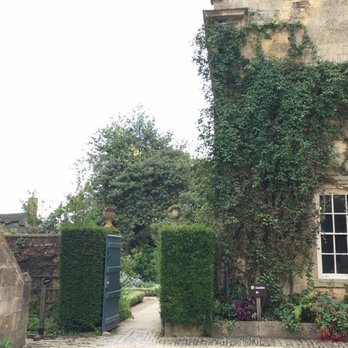


Really lovely National Trust garden with numerous places to explore. The property is broken up into different "rooms" to explore. Nice way to spend two hours and a pretty drive from those staying in Chipping Campden. Nice gift shop, too! read more


I have had the pleasure of visiting Hidcote twice now, and have found it to be a completely different and unique experience each time. It is a beautiful property, divided into several garden rooms, each more impressive than the last. My partner is originally from London, and has spent considerable time at Hidcote in the past, but my first visit was in April. The garden was not yet in bloom, and a light rain chased other visitors away, so we had the place to ourselves. It was very pleasant strolling through the gardens, all a lush green at that time of year. Additionally, it was lambing season, so we were able to observe some of the spring lambs at play. When we returned in May, the garden was dramatically changed and truly exquisite. An impressive and colorful array of flowers greeted us at every turn, and the gardens were alive with visitors. We took afternoon tea in the Garden Restaurant and relished sitting in the sunshine. The gift shop was bustling as well, with patrons buying plants to take home. Parking at Hidcote is free, but you might be inclined to walk, as we did; there are several Cotswolds walks that will take you to the property. If you are not a National Trust member, it will cost about £9 (adult) to enter Hidcote. read more





10 years ago

9 years ago


13 years ago