
Hawkshead Brewery Photos



Recommended Reviews - Hawkshead Brewery
Start your review...


13 years ago
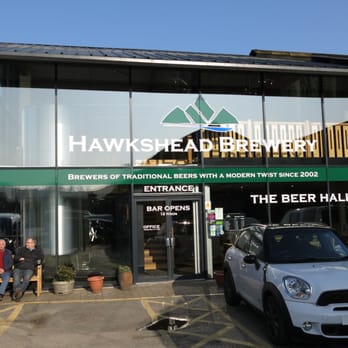
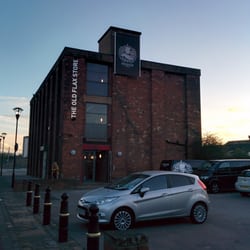
It was only about 15 minutes off the M6 freeway to the Hawkshead Brewery in Staveley, Cumbria. The roads weren't that windy and were wide and well-paved so this is faring better than expected already. We arrived to where the brewery showed on my map, but it wasn't there. The brewery was slightly up the road within a small shopping inlet next to a coffee shop. We parked and approached the brewery and were pleasantly surprised with how impressive the set-up was. The building was large and beautiful with large wood beams, huge windows, and comfy leather seats. It was so quiet in there I didn't know how much noise we could make without being rude, so we opted to sit in the corner so we could strategize about which beers we wanted to try and how much time we wanted to spend off the road. I ordered the Lakeland Lager which is a 5%ABV Lager/Pilsner and Sean had the Cumbrian 5 Hop 5%ABV Golden Ale. I really liked the Lakeland Lager because it was crisp and refreshing with a great hop flavor on the back-end. Most of their beers were "real ale" style, but the lager wasn't. It was a nice change from all the real ales available. I also really enjoyed the Brodie's Prime with is a dark porter-style beer and is 4.9%ABV. It has a very smooth mouth-feel and is extremely drinkable. We sampled almost their entire beer selection and overall their beer was very good. The styles were done well and the beer was clean and clear and cheap! We were there around lunch time so we went ahead and ordered some food before they stopped serving. Sean ordered the beer cheese soup and I ordered the mushrooms with Stilton blue cheese on toast. The soup was served with large pieces of sourdough bread and butter so it was very filling for a good price. I tried some of the soup and it was really good. The mushrooms were sautéed in butter and the cheese was melted on top of the toast so it was damn delectable. I savored every bite of that toast. The soup was something like 2 pounds and the toast was 4 pounds. I think we walked out of there spending about 10-15 pounds total? Pretty decent if you ask me. Also, they refused to accept our tips. I am accustomed to giving tips always, but they politely declined my offer. Great service, delicious food, cheap and amazing beer and no tip?! It was one of the highlights of the trip. read more


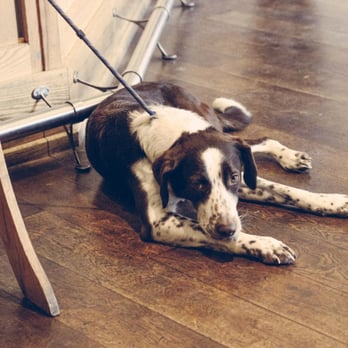


I'm often in Windermere for the weekend, and having a pint at the Hawkshead Brewery in Staveley makes for a great start to it. It's a big venue, with a large downstairs area next to the bar, and further seating on a mezzanine upstairs. There's then a further bar (only open sometimes) through the back. There's large glass panels to let you see into the actual brewery itself, so it's interesting just being in the place. There's outside seating too, in the car park, so it's hardly picturesque, but it's fine too when the weather is mild or if you want some peace and quiet away from the buzz indoors. It's a good atmosphere, very laid back and friendly, with plenty of dogs. Staff are pleasant and helpful, and know their beers well. The beers are good - all sorts from your pale ales through to your dark stouts, and last time I was there I had a raspberry sour. It wasn't great if I'm honest, but you can't win them all :-) Hawkshead seem to be quite an adventurous brewery, so there's always something new to try. My favourites are the stouts. There's a range of food too which seems to be mostly traditional 'Northern' food - Shepherd's Pie, Yorkshire pudding, Venison burgers - mostly very meat heavy, so I've never tried anything, apart from the chips. The chips are good! They do a fantastic beer festival. We went this year for the first time, and it was brilliant, we had such a good time. You get a menu, and can just work your way through the ones you fancy the sound of. They're categorised into the different bars, so it makes it quite fun to work your way about trying different ones. They had a massive marquee when we were there, with a crazy and very entertaining jazz band. It's a family atmosphere, with kids there too, so the adults are sensible and nothing gets too out of hand. I'm hoping we can go every year! With regular weekend checks ins until next year. read more


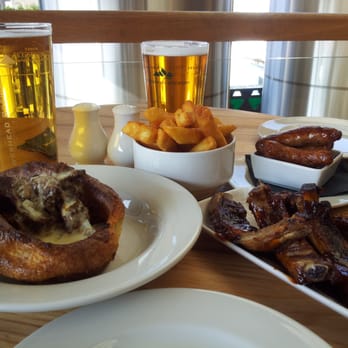
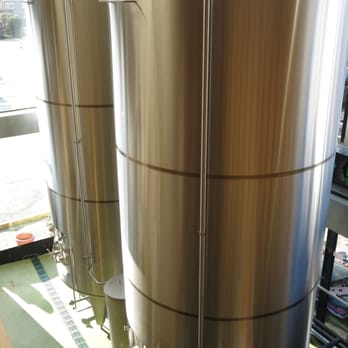
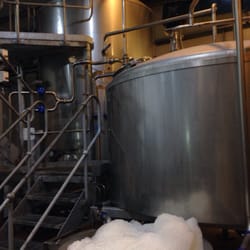
Lovely place to stop for lunch on way to Windermere. The Beer Hall of the Hawksheard Brewery serves fantastic fresh and tasty beers, and very cheaply too, and to complement it, Beer Tapas. The food is overseen by the former head chef of the Michelin 3 star restaurant, Le Gavroche, so I was expecting good quality and it did not disappoint. Food came quick and piping hot. We had the BBQ ribs which was sticky and tangy and the meat fell off the bone, delicious Cumberland sausages, a Yorkshire pud filled with local beef cooked in their prime beer topped with horseradish sauce, really good too, and a bowl of fat chips. Tapas are from £1.50 to £5, meals are from £7 and £12. On sunny days, there is a Beer Garden to enjoy it all. The kitchen opens at noon, and closes at 3pm during the weekdays though, so we just made it arriving there at 2pm for a late lunch, but during the weekends it is opened until 7pm. The Beer Hall is light and airy with floor to ceiling windows, with two large stainless steel fermenting vessels, at one side of the Hall. They have two beer festivals and we were just two days too early for the Spring Beer Festival, which looks really fun and interesting, with more than 50 beers to taste and live music. The next one is in July. Will definitely go again, if in the area! read more


10 years ago

17 years ago
More info about Hawkshead Brewery











Why does Yelp recommend reviews?
1 review that is not currently recommended
The reviews below are not factored into the business's overall star rating.

16 years ago


