
Cowlitz Salmon Hatchery Photos


You might also consider


More like Cowlitz Salmon Hatchery
Recommended Reviews - Cowlitz Salmon Hatchery
Start your review...



3 months ago
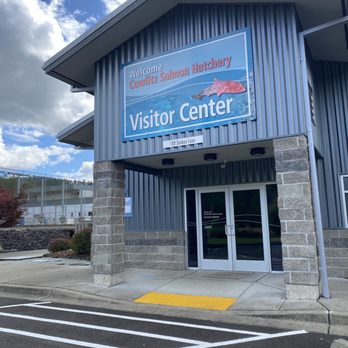
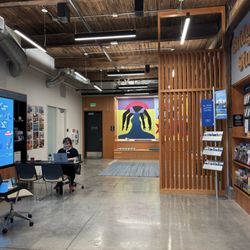
It was neat to see the salmon jumping up "the river." Since it wasn't the right season that is all we got to see, but we met a lady who worked there and she was super knowledgeable and answered all our questions. The welcome center was nice and had a cool and interactive way of showing how many salmon actually make it from one place to the other. read more
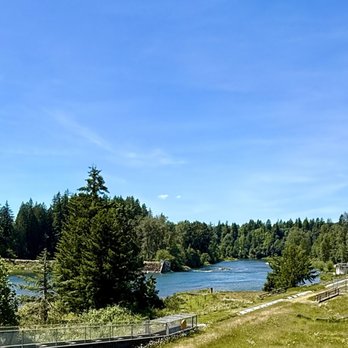

Stopped by the Cowlitz Salmon Hatchery on our travels to stretch our legs. It ended up being a fun little place to stop! They had a visitors center with an interactive salmon egg exhibit. Very cool! Clean restrooms as well. Outside they had the sign to the adult salmon collection, but when we got to the top, everything was closed up. However, they had jumping salmon over in the juvenile raceways! We saw quite a few. Plus this place is less than a mile off the highway! read more


More info about Cowlitz Salmon Hatchery
199 Salmon Ln
Salkum, WA 98582
Directions
Hours
Other Amenities




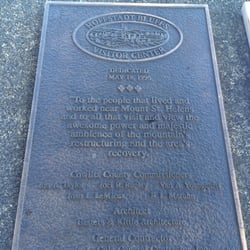






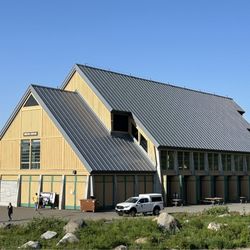
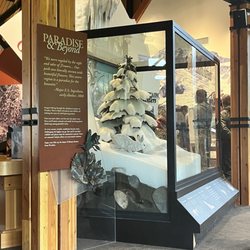




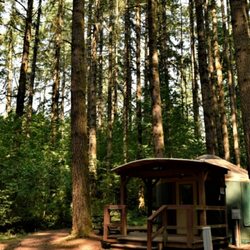


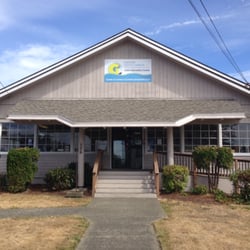
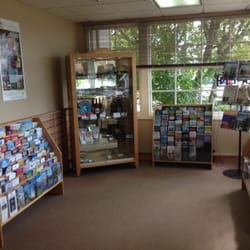
Cowlitz Salmon Hatchery - visitorcenters - Updated October 2026
Best of Salkum
People found Cowlitz Salmon Hatchery by searching for…
Browse Nearby
BEST of Salkum, Washington Things to Do near Cowlitz Salmon Hatchery
BEST of Salkum, Washington Restaurants near Cowlitz Salmon Hatchery
BEST of Salkum, Washington Hotels near Cowlitz Salmon Hatchery
BEST of Salkum, Washington Coffee near Cowlitz Salmon Hatchery
BEST of Salkum, Washington Hiking near Cowlitz Salmon Hatchery
BEST of Salkum, Washington Breakfast near Cowlitz Salmon Hatchery
BEST of Salkum, Washington Shopping near Cowlitz Salmon Hatchery


