Coral Gables City Photos


More like Coral Gables City
Recommended Reviews - Coral Gables City
Start your review...


Reviews With Photos
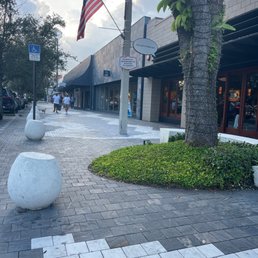

Love this historic city. Low crime and great outdoor activities! they also have amazing restaurants and a lot of them to pick from, no matter what you want to eat there's a restaurant for you. My favorite being hillstone of course! The city is home to a few well known establishments like Venetian pool, university of Miami, Shops at Merrick park, merrick house and the biltmore hotel to name a few. The people are friendly and helpful. I use to live here and I loved how everything was a walking distance from a morning coffee to a nice walk in the park. Definitely in my top 5 places to live in Miami!!!!


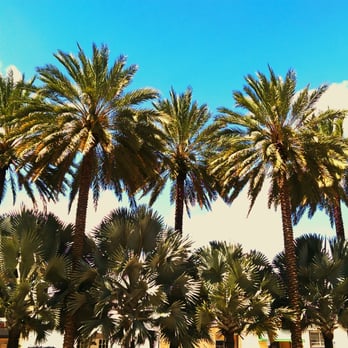
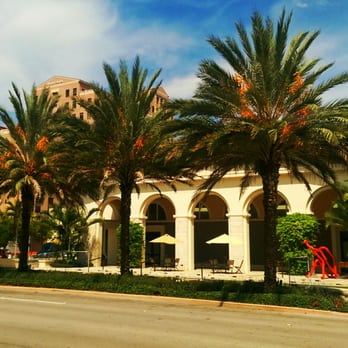
Beautiful city Immaculate palm trees Orderly traffic Sparse parking garages Food everywhere Friendly people Banks on every corner Redlight cameras Expensive cars Hot people Have fun


I'm amazed I've never reviewed the City of Coral Gables. We used to come all the time as our son attended UM. Walking around the Miracle Mile, dining at a cafe, going to the farmers market & craft fairs. Today was a perfect day to wander around and explore. In 1899, Rev. Merrick moved his family from Massachusetts, to the Miami after a brutal northeast winter killed a twin daughters. He purchased a 160 acres west of Coconut Grove for of $1,100 sight unseen. With Bahamian workers & a 12 yrs son they all cleared the land of pine and palmetto and planted. They grew award-winning green beans, peppers, guava, tomatoes, eggplant, grapefruit, okra... By 1906, the groves began to bear fruit, and they shipped carloads of grapefruit out of Miami to the northern market. The Merricks added an extension made with native coral to their wooden cottage. Merrick's son enrolled in Rollins College Winter Park then he went to New York Law School. Rev. Merrick died & he came home to manage the family business & plantation. By 1920, Merrick had expanded his land holdings from 160 acres to 1,600 acres, selling 15 subdivision in iai. He had the land, expertise & money to create a city, assembling a team of architects, artists & engineers. With a college friend & insurance agent they financed construction of 100 homes. By 1925, the Coral Gables Corporation, which was created. They brought a team of architects, landscapers, builders ... By 1926, Coral Gables had more than 4,000 structures with an investment of over $150 million. There were 2,792 private homes & apartments, 112 office & commercial buildings, 11 schools, 10 public buildings, 2hospital buildings, 2 university buildings, 6 hotels, 100 miles of paved streets, and 125 miles of sidewalks had been built. The Biltmore Hotel from 1926 is the historical landmark in Coral Gables. The hundred year old Merrick House is opened for tours on weekends & has interesting programs throughout the year. The Venetian Pool from 1923 is refilled daily with 820,000 gallons of water. The 83 acre Fairfield Tropical Garden is one of my favorite places in the Gables. Wandering around the University of Miami is always a highlight. Coral Gables is called the 'City Beautiful', with terracotta roofs, jewel-like colours & lush landscape it is special. Once a tiny Miami suburb, today the Gables is home to 150 multinational companies, 21 consulates & trade offices, boutiques, galleries & theatres. It is the fine dining capital of south Florida. read more

2 years ago
The most beautiful Spanish city in miami. Olds houses with Spanish architecture, are stunning. Merrick Park it's too apéndice but so nice to take a picture there. So many fabulous restaurants there too read more

The City of Coral Gables was founded by George Merrick. On February 5, 1916 Merrick married Eunice Isabella Peacock a daughter of the Miami pioneer family, the Peacocks. In 1921 he attended Rollins College in Winter Park. Shortly after he started planning the City of Coral Gables. It was one of the first planned communities in the United States. He took his inspiration from the City Beautiful movement that was popular in the 1900's. In 1925 Merrick's family moved to Miami from Pennsylvania to join him. It was two years after Henry Flagler brought the railroad to Florida and it was the dawn of the development of Florida. Merrick started selling lots in the city in 1921. He marketed the city as having 40 miles of waterfront property. He wanted all of the city landmarks to be connected by water. He offered gondola rides from the Biltmore to the Cocoplum neighborhood to prospective home buyers. Coral Gables was designed tp have four entry arches. They are reminiscent of the medieval gates in Europe and were meant to show that Coral Gables is separate from the surrounding city. At first Merrick planned on developing the Country Club Prado section as the city's downtown. In the end he decided to move it east to be closer to the already established towns of Miami, Coconut Grove, and Brickell. Merrick wanted his buildings to be strictly Spanish and later the Mediterranean style that was popular during Florida's land boom years in the 1920's. Eventually he expanded his vision to include seven unique villages inspired by different international influences. Today they are some of the most sought after addresses in the city. The buildings in Coral Gables were so well made that they survived hurricanes before there were building codes. Among his many accomplishments, George Merrick also created the University of Miami. Thanks to George Merrick's meticulous planning many of Coral Gables historic landmarks survive today including the Venetian Pool, the Alhambra Water Tower, and the Miami Biltmore Hotel. One of his last projects was Coral Gables City Hall. Please check out my separate reviews for these Coral Gables landmarks. The later years were not kind to George Merrick. The Florida land boom went bust due to two hurricanes followed by the Great Depression. By 1928 George Merrick was forced out of the city he founded and ended up in the Keys. He went bankrupt in 1929. He returned to the city two years before he died to serve as postmaster. He died in 1942 at the young age of 55. He and Eunice are buried under a very simple marker in Woodlawn North. You can learn more about George Merrick by taking a tour of his family home in Coral Gables. Today Coral Gables has a population of 50,000 people. It's nickname is "the city beautiful." The University of Miami is a major educational institution. Giralda Plaza and Miracle Mile are popular dining and shopping destinations. The Historic Preservation Association of Coral Gables was founded in 1973 and they have been very successful in saving the historic landmarks in the city that make it so charming. Coral Gables is filled with ornate Mediterranean architecture and beautiful parks. Fairchild Botanical Gardens is a popular tourist destination for plant and nature lovers. Books and Books hosts a literary festival every November that attract authors and book lovers from around the country. The city is very pedestrian friendly. Learn more about all that makes Coral Gables special at the Coral Gables Museum. I could go on and on about my love of this city. If you haven't been in awhile it is time to rediscover the crown jewel of Miami. read more


Love this historic city. Low crime and great outdoor activities! they also have amazing restaurants and a lot of them to pick from, no matter what you want to eat there's a restaurant for you. My favorite being hillstone of course! The city is home to a few well known establishments like Venetian pool, university of Miami, Shops at Merrick park, merrick house and the biltmore hotel to name a few. The people are friendly and helpful. I use to live here and I loved how everything was a walking distance from a morning coffee to a nice walk in the park. Definitely in my top 5 places to live in Miami!!!! read more



17 years ago
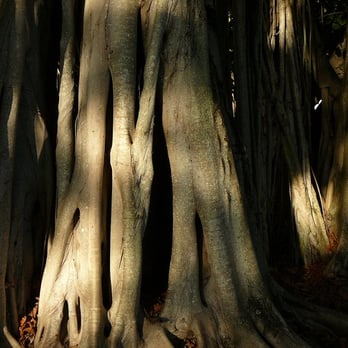
1. sinewy world inexplicably intertwined a tangle of arm branches root legs posturing the sky. hidden in the crevices sunlight freckled like pippi longstocking a magical fortress primeval an inextricable living castle "straight across and half past morning" gazed upon by the little prince the leaves are clumsy almost like pageant scenery glued lovingly by hasty boy hands. i would defend this vast sylvan wonder. read more




14 years ago