Distinctive. It is not always a word that springs to mind when tasting wine. Or visiting yet…read moreanother California tasting room, for that matter. All too often, the wines offered to visitors start to look and taste the same, as do the facilities and even the vineyards where the grapes are grown. Big, rich, and extracted. Ripe, lush, and decadent. Robert Mondavi's oak-soaked legacy lives on, in Napa Valley, and beyond.
Not so at Renaissance. Your wine palate here will be reborn. Your senses will be heightened. You will see things differently. The usual "wine words" will not activate automatically in your brain. Your sensory wine tasting memories will search in vain for something similar with which to compare, to judge, to rank, to rate. In the end, you will give up trying to put this place in its proper wine country box, because, as you suddenly realize, that box does not even exist.
You decide to reboot your system. You clear your mental cache of past tasting experiences. You clean the slate. You turn the page. You open up your mind wider perhaps than ever before. You choose to forget what a wine is supposed to taste like. You banish Robert Parker and the Wine Spectator from your overly cluttered and anxious mind. You willfully ignore what you were told to expect about this place in the Chronicle. You elect to begin again, like a child learning to read, by picking up an old book on your grandfather's shelf, opening its beautifully embossed, leather bound cover, and turning to page one.
The first thing you will notice is that you are almost alone out here. The grounds are quiet and restful with a Zenlike calm emanating from the golden hillsides and green forests. The tour buses, bachelorette parties, and stretch limos are nowhere to be found. The wines are well aged, bottled in a previous century from a time when other people now retired and out of the spotlight commanded the White House or looked out at you from your television screen. A Cabernet Sauvignon 20 years old is not uncommon here. A 15 year old Bordeaux style red blend seems like an upstart teenager. A 10 year old Syrah is barely out of its diapers and is just starting to walk about on two legs like a young child.
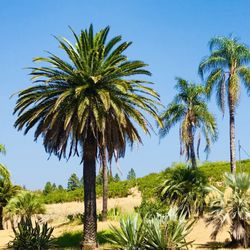
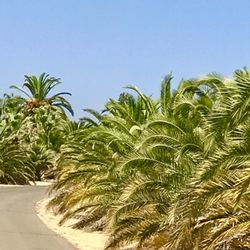
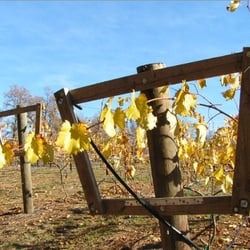
The grounds are filled with unseen mystery lurking behind the stately rows of palms and vineyard terraces on the hills where hundreds of acres of grapes once thrived. You know that this is a special place, but you are not exactly sure why. The wines in your glass suggest elegance, complexity, precision, passion, resilience, legacy, and strength. They speak of past lives and untold hours of human endeavor. They tell tales. They reflect the soils surrounding you and speak of the people who made them. They taste good, too. They are not merely of the mind, but also of heart and soul.
"Wine country" wineries come and go. Ownership changes hands. Founders die, families fall apart, and corporations move in. Tasting rooms get remodeled to appeal to the tastes of millennial consumers using a new algorithm created by a Silicon Valley start up. Cult wines from coveted vineyards and accoladed AVAs that are bathed in new French oak and dialed in to precise alcohol levels are released. High scores and prestigious awards are bestowed.
And yet, Renaissance wines endure. In myth. In memory. In the mouths of those who sip and savor them, one glass and bottle at a time. You will never be more present than at the very moment when the crumbling cork is removed, the bottle is gently tipped, and the contents starts to fill your glass. You stop to inhale. You pause. You lift the glass to your lips. You clear your mind. You close your eyes. And you taste as if you had never done this sort of thing before. Veritas in vino written with words you do not yet fully comprehend. But you continue to hope that, one day, probably when you least expect it, you will.