Citygarden Photos


You might also consider


More like Citygarden
Recommended Reviews - Citygarden
Start your review...


Reviews With Photos


This small sculpture park right in the midst of downtown and within easy walking distance to the Arch is beautiful and immaculate. I made my husband come here for an hour so we could see it while in town last week and I regret nothing. We easily found free parking and I enjoyed walking around seeing the beautiful and unique sculptures and water elements here. It was an easy visit and an easy walk and it's well-done. I love to see a city that has invested in free spaces. They had a nice outdoor water park fountain for children to run and play in a splash zone that was full with happy, screaming kids while we were there. I can't wait to take my 1-year old when she's older to enjoy things like this. The downtown of StL is a bit sketchy but this area seemed nice, you just have to drive through some bad area to get here and I wouldn't go too far outside this main zone. As such, there isn't a ton of coffee shops or restaurants easily walkable but there were a few we saw.
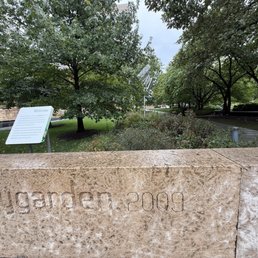

Colorful sculpture garden in the heart of downtown St Louis. The garden was beautifully manicured & there were seats to sit & enjoy. There was a waterfall, fountain feature and a large video program.


A small garden in the middle of downtown. Good for a quick walk around. The sculptures are beautiful and have the characters matching the landscape and surroundings


We walked through on our way to breakfast. It was very clean and maintained. They had some cool sculptures. Some kid friendly which is a plus.


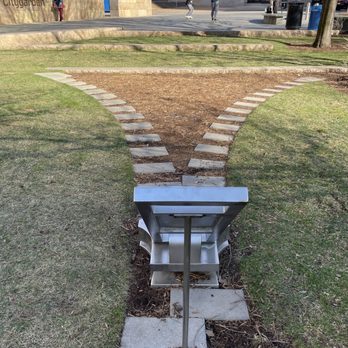
If you're walking through downtown, be sure to stop by the Citygarden. It's a fantastic garden with both beautiful trees and sculpture art. I could see myself spending my lunch hour here every day if I worked in one of the nearby office buildings. It's so romantic! When I visited, the sky was dark and overcast with a slight drizzle of rain-how perfect is that?! The art varies from a neat zipper on the ground to a fist at the end of a hair pick and other wonderful pieces. Each one is unique and worthy of a look. Don't pass this one by-it will only take a few minutes to check it out as you're in the area.


Really cool sculpture garden...free, splash pad, and plenty shady. The Citygarden was on my to do list while on a short trip to St. Louis yesterday. It was a beautiful sunny summer day and the Citygarden has plenty of shade to hide under. The summer blooms were out. It was very picnic worthy as there are plenty of seating, tall trees, and it's kept up pretty well. Not all the fountains are working or filled, so they could use some upkeep, but the splash pad was up and running as plenty of kids were busy enjoying a break from the hot sun. There are some listed don'ts for you to be aware of...no skateboards, no drones, no glass...no commercial filming or photography, no floating in the small pools. What I like is that it doesn't cost you a dime. The Gateway Foundation states it's "free to explore,...free to inspire." I did and it's worth a look if you like sculpture gardens or if your in need of a break from the shade. Super safe and I thought it was very clean. Feel free to frolic.


Please Touch: Sculpture For A City. Great park in downtown St. Louis near the Old Courthouse and The Arch. The park stretches over several city blocks. Walk to see the sculptures that feature 25 artists from 8 different nationalities. It is a perfect place to relax, reflect and rejuvenate.


The City Garden is super fun and cute. The art is interactive, so it's a great place for kids especially if you're walking to a ballgame or something like that. It's always enjoyable.
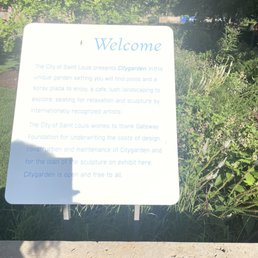

What a cool little park in the middle of Downtown St. Louis. The sculptures were neat. The garden has benches throughout and was shaded and very Zen and chill. We saw people just relaxing here, kids playing and frolicking in the ponds and tourists like us snapping photos and taking selfies.


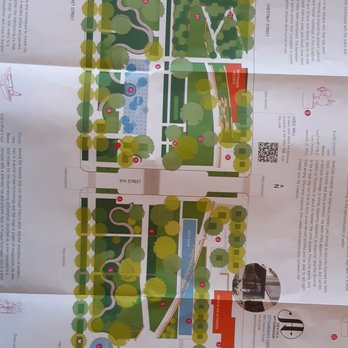
Review Visit: November 7th, 2018 Sculpt your expectations pretty high for this place. One of my last stops on a whirlwind tour of St. Louis is the Citygarden. This place was recommended to me by a friend. With some time to kill, I decided to check it out. I always feel anxious (in a good way) when I check out places that friends and family recommend since I never know what to expect. Suffice to say, I was not disappointed in Citygarden. The Citygarden was just awesome, in my opinion. It's sprawled out over 3 acres and there is plenty to see. There are over 10 sculptures to see and explore. This park has no 'Do Not Touch' or 'Do Not Climb On' signs, so your kids (and you) can climb on, explore and interact with all the exhibits. A few are roped off but most can be interacted with. There was a giant screen with a camera that recorded you as you walked by and displayed it on said screen. There was also a waterfall that seems to have a water display. It may have been turned off at this time of the year due to the cold weather. Throughout the park are boxes with maps in it. These maps tell you a bit about the history of Citygarden and also the history of each sculpture and the person who created them. I could've used one of these at the Pappajohn Sculpture Park, as that place had some cool sculptures as well. This post is a bit shorter than my usual ones. The sculpture park is just too large and has too much to talk about in a single post. I encourage you to just go there and see it for yourself. My pictures below highlight just a small portion of the place.


This garden features, so many cool statues memorials in different public art displays. It's definitely a thing to see you when you were in St. Louis. It's a lot of fun and cool to see.


Pretty, well-maintained green space in downtown St. Louis near multiple businesses, the old courthouse, and the Gateway Arch. Several types of sculpture, mostly modern. The grass is lush! Tons of fountains and water features. Several photo ops. Great place to take a break while touring, working, or just to relax. Right on one of the main drags, but I didn't really notice noise because the trees and plants shielded me.


Citygarden Sculpture park was a great place to take pictures. Lots of sculptures in the middle of Saint Louis. We visited at night during the holidays so had the benefit of holiday lights too.


We walked here from our hotel. This place has some new sculptures since I last went here a while back. It is a great place for kids to play in the daytime or for us to walk our dog. This place is well maintained and has been a wonderful addition to the downtown area. read more


7 months ago
Nice attraction in the very busy Market Street area. Some really unusual sculptures. New additions added and , of course, spring bringing beauty to the well manicured and maintained garden. read more


This small sculpture park right in the midst of downtown and within easy walking distance to the Arch is beautiful and immaculate. I made my husband come here for an hour so we could see it while in town last week and I regret nothing. We easily found free parking and I enjoyed walking around seeing the beautiful and unique sculptures and water elements here. It was an easy visit and an easy walk and it's well-done. I love to see a city that has invested in free spaces. They had a nice outdoor water park fountain for children to run and play in a splash zone that was full with happy, screaming kids while we were there. I can't wait to take my 1-year old when she's older to enjoy things like this. The downtown of StL is a bit sketchy but this area seemed nice, you just have to drive through some bad area to get here and I wouldn't go too far outside this main zone. As such, there isn't a ton of coffee shops or restaurants easily walkable but there were a few we saw. read more





If you're walking through downtown, be sure to stop by the Citygarden. It's a fantastic garden with both beautiful trees and sculpture art. I could see myself spending my lunch hour here every day if I worked in one of the nearby office buildings. It's so romantic! When I visited, the sky was dark and overcast with a slight drizzle of rain-how perfect is that?! The art varies from a neat zipper on the ground to a fist at the end of a hair pick and other wonderful pieces. Each one is unique and worthy of a look. Don't pass this one by-it will only take a few minutes to check it out as you're in the area. read more


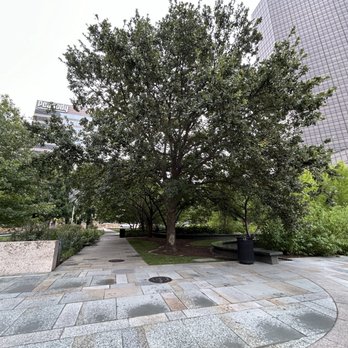


Really cool sculpture garden...free, splash pad, and plenty shady. The Citygarden was on my to do list while on a short trip to St. Louis yesterday. It was a beautiful sunny summer day and the Citygarden has plenty of shade to hide under. The summer blooms were out. It was very picnic worthy as there are plenty of seating, tall trees, and it's kept up pretty well. Not all the fountains are working or filled, so they could use some upkeep, but the splash pad was up and running as plenty of kids were busy enjoying a break from the hot sun. There are some listed don'ts for you to be aware of...no skateboards, no drones, no glass...no commercial filming or photography, no floating in the small pools. What I like is that it doesn't cost you a dime. The Gateway Foundation states it's "free to explore,...free to inspire." I did and it's worth a look if you like sculpture gardens or if your in need of a break from the shade. Super safe and I thought it was very clean. Feel free to frolic. read more


Please Touch: Sculpture For A City. Great park in downtown St. Louis near the Old Courthouse and The Arch. The park stretches over several city blocks. Walk to see the sculptures that feature 25 artists from 8 different nationalities. It is a perfect place to relax, reflect and rejuvenate. read more


2 years ago
The City Garden is super fun and cute. The art is interactive, so it's a great place for kids especially if you're walking to a ballgame or something like that. It's always enjoyable. read more



What a cool little park in the middle of Downtown St. Louis. The sculptures were neat. The garden has benches throughout and was shaded and very Zen and chill. We saw people just relaxing here, kids playing and frolicking in the ponds and tourists like us snapping photos and taking selfies. read more


2 years ago
Review Visit: November 7th, 2018 Sculpt your expectations pretty high for this place. One of my last stops on a whirlwind tour of St. Louis is the Citygarden. This place was recommended to me by a friend. With some time to kill, I decided to check it out. I always feel anxious (in a good way) when I check out places that friends and family recommend since I never know what to expect. Suffice to say, I was not disappointed in Citygarden. The Citygarden was just awesome, in my opinion. It's sprawled out over 3 acres and there is plenty to see. There are over 10 sculptures to see and explore. This park has no 'Do Not Touch' or 'Do Not Climb On' signs, so your kids (and you) can climb on, explore and interact with all the exhibits. A few are roped off but most can be interacted with. There was a giant screen with a camera that recorded you as you walked by and displayed it on said screen. There was also a waterfall that seems to have a water display. It may have been turned off at this time of the year due to the cold weather. Throughout the park are boxes with maps in it. These maps tell you a bit about the history of Citygarden and also the history of each sculpture and the person who created them. I could've used one of these at the Pappajohn Sculpture Park, as that place had some cool sculptures as well. This post is a bit shorter than my usual ones. The sculpture park is just too large and has too much to talk about in a single post. I encourage you to just go there and see it for yourself. My pictures below highlight just a small portion of the place. read more


2 years ago

Pretty, well-maintained green space in downtown St. Louis near multiple businesses, the old courthouse, and the Gateway Arch. Several types of sculpture, mostly modern. The grass is lush! Tons of fountains and water features. Several photo ops. Great place to take a break while touring, working, or just to relax. Right on one of the main drags, but I didn't really notice noise because the trees and plants shielded me. read more


3 years ago
Citygarden Sculpture park was a great place to take pictures. Lots of sculptures in the middle of Saint Louis. We visited at night during the holidays so had the benefit of holiday lights too. read more


11 months ago

Free art? I'm in. This outdoor sculpture garden is located in the space between Market Street and Chestnut Street and aligns with the Gateway Arch. Stuffed (but not too busy) with interesting an innovative array of sculpture pieces. After a 2007 agreement with city leadership, this space began to take shape. An open and inviting space for downtown office workers and residents, it is supposed to catalyze the development of more commercial and residential space. Walkways between the art pieces and the perimeter sidewalks make it possible to enjoy in a random order. I thought the Scarecrow was excellent as was the chess board of globes. The video wall was pretty cool and it allegedly shows movies and local baseball games at times. It is a unique and artful use of what would otherwise be an empty or over-developed space. Well done, Saint Louis! [Review 14464 overall, 1790 of 2020, number 96 in Missouri.] read more


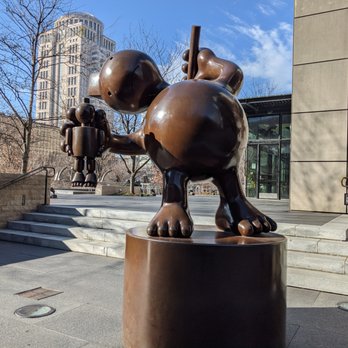


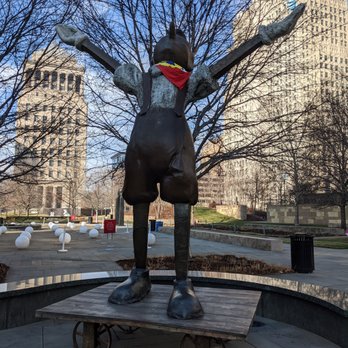
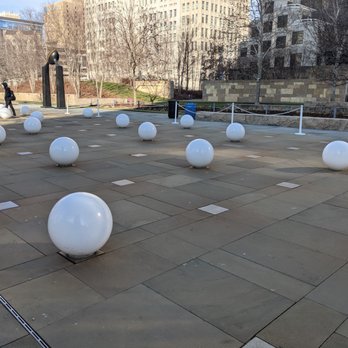

What a great park in the Cory to take a nice stroll and enjoy the views. They have some really great sculptures and art here all while have a beautiful background of the beautiful downtown. There's restaurants and coffee shops not too far away. This is work the extra couple steps to check out. read more


2 years ago
Super cool place. Great place to cool off from the summer heat and check out rad art. Park employees were very nice. Great views. Will be returning. read more


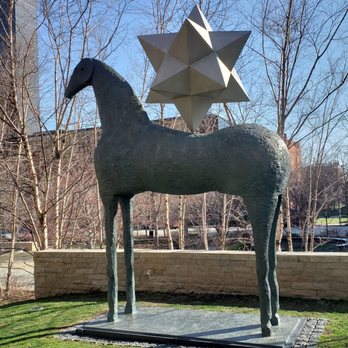
THE IMPRESSION THAT I GET More than 20 abstract sculptures are scattered around this urban park in downtown St Louis. In planning things to do for our spring break in STL, Citygarden was one of the first things I stumbled across. With a few hours to burn on 3/26/19, the lovely Nichole C grabbed her camera and off we went to admire some outdoor art during daytime hours. We found a map and began to work our way around the various pieces. A headless man in a pink suit, a sad Geppetto, and a pair of oversized rabbits were just a few of the things we saw (plus a sprouting metal "seed", a minimalist sumo wrestler, and "naked-lady-falling-into-water"). The majority of sculptures were made of either bronze or brushed aluminum, but a few used stainless steel and one unique item was just an array of repeating LEDs. I guess that's a form of visual art? (then again, I couldn't tell you the difference between Sydney Pollack and Jackson Pollock, other than they're both dead.) After dusk, Citygarden is bathed in floodlights that have been strategically placed to illuminate the various works. Previously, there existed dozens of glowing globes in a fountain area, but they got yanked at some point in the last couple years and replaced with something else. * TL;DR * Are you a parent who needs something to engross your kids before the trip up the Arch? Perhaps you're an adult looking to kill some time prior to a Cardinals game. Look no further: Citygarden is a great way to playfully waste 30-45 minutes. Its central location is ideal and the fact that it's FREE makes it a solid choice for those on a tight budget. The only reason I'm doling out 4* instead of 5* is because I didn't see anything that truly blew me away (and because 4.5* still isn't an option). A definite 'must' if you're an artsy type, though a good choice regardless since it makes for excellent photo taking. Don't be shitty parent and let your kids climb on the sculptures! read more






3 years ago
The Citygarden was so beautiful. Lots of flowers were blooming and the sculptures were amazing. It's a beautiful area in the middle of the busy downtown area. However, be aware of your surroundings, we had several pick pockets following us, so we ended up leaving sooner than we wanted. read more


4 years ago
Went to City Garden with the husband while on our trip to St. Louis. Very lovely! It was a beautiful and sunny, warm day out in the city - the park is very well maintained, clean, with greenery everywhere, flowers, and benches for sitting throughout. Multiple sculptures of different types adorn the garden, including even Pinocchio with his Cards scarf! Located very close to the Gateway Arch, within walking distance, as well as the old courthouse. Very tranquil and relaxing to walk through, and makes for a very nice stroll. It's also free! Would definitely recommend while in St. Louis! read more


7 years ago

7 years ago

4 years ago
Its a very lovely park. Lot's of shade and park benches offered. If your in STL I would say stop out and give it a good walk through. Plus lots of Pokemon stops. read more


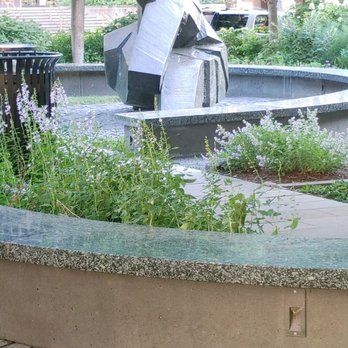


A free, Neat and artistic park the family and I strolled through on our getaway through St. Louis. Was very quiet and peaceful. The family and I really enjoyed walking through here and checking out the unique works of art read more


11 years ago
Beautiful little park located in the heart of downtown St. Louis. Within walking distance to Busch Stadium, Hooter's, The Arch, courthouses Culinaria grocery market, Rooster, Bailey's Range, Park Ave Coffee, The Westin Hotel and a ton of little nooks and crannies. The park sets right off Death in the Afternoon which is a great place to grab a delicious bite to eat and glass of wine. There are really cool structure fixated with water falls and such which makes it great for kids and lovers (if you're into romance) The park is well kept and an amazing attraction to relax or explore. read more


Every city should have a sculpture park in their downtown core and the joyful Citygarden sets a high standard. The works on display are by renowned artists. I came to see the sculpture by Ju Ming, a Taiwanese artist whose block figure works are in woefully short supply -- almost nonexistent, really -- in the United States. Keeping normal urban parks in great shape in any city takes effort because wear-and-tear is inevitable and, well, people like nice spaces after all. It's a tribute to the city and those that maintain Citygarden that this stellar collection of sculpture and well-kept grounds look fabulous. Now, St Louis, can you extend CityGarden just one block north and work some magic on that hulking Richard Serra work from 1982 that sits in total neglect? Wow, what a contrast. read more


5 years ago
Thank goodness for public art!!! Can't afford arch or too claustrophobic or motion sick, take a stroll minutes away and enjoy these sculptures. Very accessible and enjoyable. read more




7 years ago
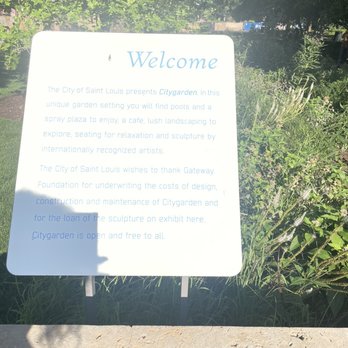
Citygarden has one best mottos I've read for an urban greenspace: "You won't find walls or fences, admissions fees or 'do not touch' signs, because at Citygarden you are always free." This cultural oasis is a great place to to take a walk, read a book, have a picnic, peruse art, listen to music, or just grab a breath of fresh air when you're working downtown. Be aware that both the "Spray Plaza" and the "Split Basin" will be filled with hordes of bathing-suit-clad children on warm summer days! read more




Its like a walk in the park...only that you're surrounded by unique sculptures and art! One of the best things St. Louis has to offer - 24/7, all year-round. Surrounding it are, of course, big and tall buildings. But not only that, many great city attractions (Busch Stadium, Ballpark Village, etc.) and several great restaurants. Sometimes there are food trucks too. Citygarden is simply the best gathering place to eat and/or to chill in downtown. In the summertime, you can cool off with the sprinklers and fountain. I could go on and on about what to do in that great space! Sadly, a lot of people who have used every excuse out of the book to avoiding downtown at all costs have never heard of Citygarden. Its a constant reminder of what St. Louis, let alone urban areas, should be all about. read more


7 years ago
Super Cute and Really enjoyed walking through this park. It was well taken care of and very clean. We came on a Sunday & discovered you can park for free on Sundays. read more


Page 1 of 5