
Città di Milano Photos


Recommended Reviews - Città di Milano
Start your review...



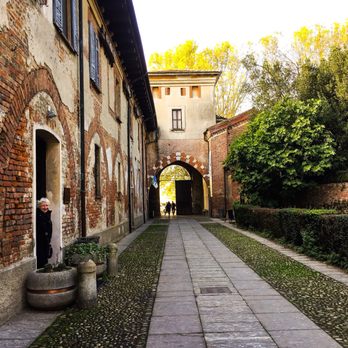
PART I Milano is the capital of Lombardy and the second most populous city in Italy after Rome. Its continuously built-up urban area has a population estimated to be about 5k, ranking 4th in the European Union. But the wider Milan metropolitan area, known as Greater Milan, is a polycentric metropolitan region that extends over central Lombardy and eastern Piedmont and which counts an estimated total population of 8k, making it by far the largest metropolitan area in Italy. The city has long been named fashion capital of the world and the world's design capital, thanks to several international events and fairs, including Milan Fashion Week and the Milan Furniture Fair, which are currently among the world's biggest in terms of revenue, visitors and growth. It hosted the Universal Exposition in 1906 and 2015. The city hosts numerous cultural institutions, academies and universities, with 11% of the national total enrolled students. Milan is the destination of 8 million overseas visitors every year, attracted by its museums and art galleries that boast some of the most important collections in the world, including major works by Leonardo da Vinci. The city is served by a large number of luxury hotels and is the fifth most starred in the world by Michelin Guide. The city is home to two of Europe's most successful football teams, A.C. Milan and F.C. Internazionale, and one of Italy's main basketball teams, Olimpia Milano. Part II The etymology of the name Milan comes from the Celtic root lan, meaning an enclosure or demarcated territory (source of the Welsh word "llama", meaning "a sanctuary or church", ultimately similar to English/German "Land") in which Celtic communities used to build shrines. Hence Mediolanum could signify the central town or sanctuary of a Celtic tribe. The foundation of Milan is credited to two Celtic peoples, the Bituriges and the Aedui. Most Northern Italians have Celtic genes, which differentiate them from Southern Italians, whose genetic patrimony can be traced back to Greek & Middle Eastern tribes, with a neat difference in looks, dialects and habits. read more




More info about Città di Milano
Città di Milano Reviews in Other Languages







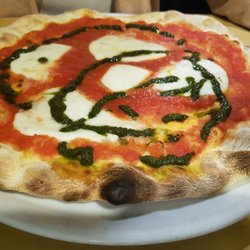




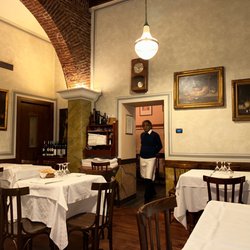
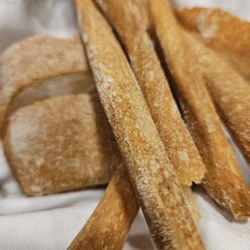



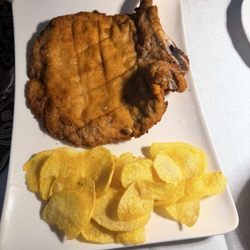


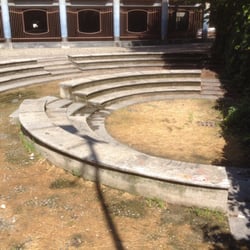

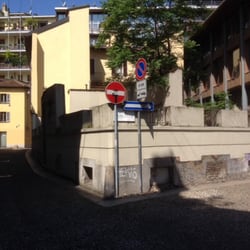

Città di Milano - localflavor - Updated October 2026
Browse Brands
Trending Searches in Milan, MI
Apple Orchards near Città di Milano
Apple Picking near Città di Milano
Attraction Farms near Città di Milano
Corn Maze near Città di Milano
Costume Store near Città di Milano
Craft Fairs near Città di Milano
Halloween Events near Città di Milano
Haunted Houses near Città di Milano
Indoor Activities near Città di Milano
Men's Clothing near Città di Milano
Photo Spots near Città di Milano
Pick Your Own Farms near Città di Milano
Places To Take Pictures near Città di Milano
Browse Articles
Related Searches in Milan, MI
Best Fishing Locations and Guides in Milan, Michigan
Best Fun Things to Do in Milan, Michigan
Best Places for Stunning Views in Milan, Michigan
Best Wood Fired Pizza Available in Milan, Michigan
Discover Beautiful Garden Spots in Milan, Michigan
Discover Farm to Table Restaurants in Milan, Michigan
Discover Free Parking Options in Milan, Michigan
Discover Romantic Activities to Enjoy in Milan, Michigan
Discover Top Festivals Happening in Milan, Michigan
Discover Urban Exploration Spots in Milan, Michigan
Discover a Library Near You in Milan, Michigan
Discover the Best Beaches in Milan, Michigan
Effective Stairs Workout Spots in Milan, Michigan
Enjoy Arts & Entertainment in Milan, Michigan
Enjoy Authentic Oxtail Soup Near Milan, Michigan
Enjoy Hiking Adventures in Milan, Michigan
Enjoy the Best Night View Spots in Milan, Michigan
Enjoy the Best Walking Trails in Milan, Michigan
Experience Stunning Sunset Views in Milan, Michigan
Experience the Best Carnival Events in Milan, Michigan
Explore Beautiful Botanical Gardens in Milan, Michigan
Explore Beautiful Parks and Green Spaces in Milan, Michigan
Explore Free Things to Do Around Milan, Michigan
Explore Fun Activities to Do in Milan, Michigan
Explore Secret Spots Worth Visiting in Milan, Michigan
Explore Sunday Fun Things to Do in Milan, Michigan
Explore Vibrant Public Art Displays in Milan, Michigan
Explore the Best Swimming Holes Around Milan, Michigan
Find Delicious Homemade Pasta in Milan, Michigan
Find Popular Festivals and Fairs in Milan, Michigan
Find Top Art Museums in Milan, Michigan
Find Top Brick Oven Pizza Options in Milan, Michigan
Find Top Libraries to Visit in Milan, Michigan
Find Top-Rated Waterfalls in Milan, Michigan Now
Find the Best Playgrounds to Visit in Milan, Michigan
Fun Things for Kids in Milan, Michigan
Locate a Cemetery in Milan, Michigan Today
Must-See Tourist Attractions Around Milan, Michigan
Popular Kids Activities in Milan, Michigan
Popular Outdoor Activities to Try in Milan, Michigan
Popular Picnic Spots to Visit in Milan, Michigan
Popular Things to Do in Milan, Michigan
Savor the Best Tiramisu in Milan, Michigan
See Top Fireworks Events in Milan, Michigan
Top Hiking Trails to Explore in Milan, Michigan
Top Running Trails to Explore in Milan, Michigan
Top Things to Do With Kids in Milan, Michigan
Visit Popular Museums in Milan, Michigan Now


