Ask for information
You can now request information from this business directly from Yelp
Bon Amour Photos


You might also consider


More like Bon Amour
Recommended Reviews - Bon Amour
Start your review...



7 months ago
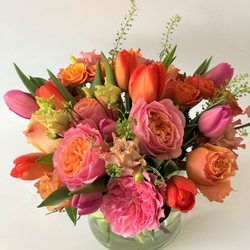
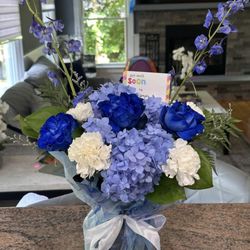
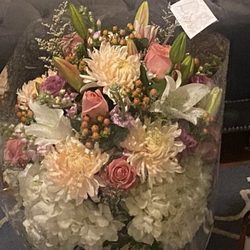
"There is nothing we can do." That was the response I received when I called about my dissatisfaction with a recent order. In a service business, THERE IS ALMOST ALWAYS SOMETHING YOU CAN DO. The real question is whether the relationship is worth protecting. It takes one thoughtful decision to build loyalty and only one rigid moment to lose it. When I called, the tone of the man was immediately defensive. It was made very clear that there was no intention of rectifying the issue, only explaining why it did not warrant correction. Here is what happened: * The flowers were delivered three days before the requested date, which ruined the surprise for my mother. I was told, "We still completed the delivery on the correct day." While technically accurate, service businesses do not sell technicalities. They sell experiences. When you send flowers, timing is part of the product. The emotional impact is the value. * I ordered for February 14 and called on February 23. Yes, nine days later. I was out of the country. I was told it had been "weeks" and that nothing could be done. I was also told the recipient could have called. Asking someone to report dissatisfaction about their own gift shifts responsibility onto the customer and diminishes the sentiment entirely. Strong service companies remove friction. They do not redirect it. * I asked for what I felt was reasonable: another arrangement that reflected the price paid. Instead, I was offered 10% off my next order. A future discount does not resolve a current issue, nor does it inspire confidence to return. As a business owner, I understand margins and retention. Ten percent is a minimal concession, and applying it to a future purchase places the burden back on the customer. Standing behind your product in the present builds trust. Deferring resolution weakens it. * I spent $176 on a small arrangement composed largely of filler flowers, carnations, daisies, and baby's breath. The hydrangeas appeared spray painted. For comparison, $85 at another local florist resulted in an arrangement three times the size. Premium pricing requires premium quality. When the product does not align with the positioning, credibility suffers. * During the call, I was reminded that it was a snow day and the business was closed. I understand weather happens. However, how a business communicates during inconvenience reflects its culture. Customers should never feel like an interruption. The only misstep on my end was calling nine days later. The early delivery, the quality relative to price, and the decision not to offer a meaningful resolution were within the business's control. In service, being technically right is not the same as being relationally right. The businesses that last understand that protecting trust sometimes requires absorbing a small cost in the moment. It would have taken one simple gesture, sending a replacement arrangement, to retain a long term customer and future referrals. Instead, ego seemed to matter more than principle. Bon Voyage, Bon Amour. Never again! read more


3 years ago
Business owner information

Paola G.
I'm sorry to hear that you found our store confusing. We take pride…
More info about Bon Amour
48 W Montauk Hwy
Hampton Bays, NY 11946
Directions
(631) 599-4454
Call Now
Visit Website
http://www.bonamourboutique.com
Hours
Payment methods
Indoor Amenities
Outdoor Amenities
Other Amenities
From the Business
Ask the Community - Bon Amour
You might also consider























Why does Yelp recommend reviews?
4 reviews that are not currently recommended
The reviews below are not factored into the business's overall star rating.

3 years ago

3 years ago

3 years ago
4 years ago


