Bognor Regis Photos


Recommended Reviews - Bognor Regis
Start your review...



4 years ago
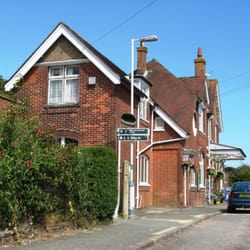
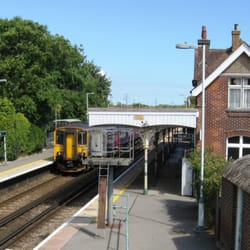
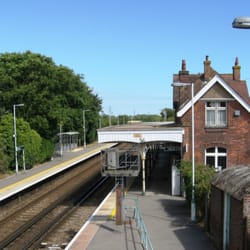
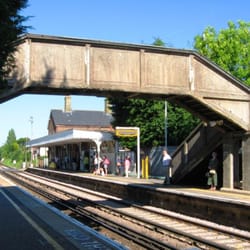
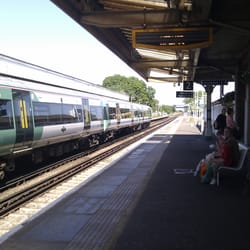
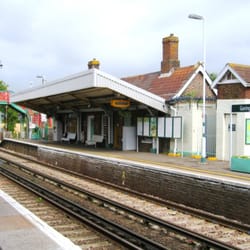
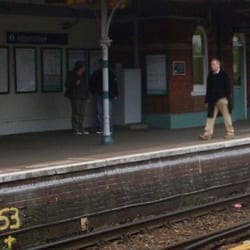
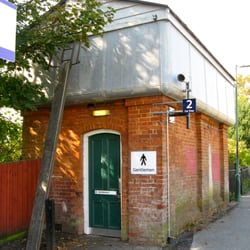
Most folks walk on by and don't notice this train station, yet this is a delightful and historical Edwardian building with a hellava backstory. The station dates from 1864 and in its 158 years it has been blown down by a hurricane and burnt down because a coat had been left to warm on one of the stoves in the waiting room in October, 1899. By 1865 the Pier had been built, there were houses in West Street. A number of religious groups were opening churches at the time and new streets were being developed. Pubs were opening, and Bognor's population was about 3,000. The area in which the station was built was at the end of Dorset Gardens. It was at that time outside the town. However, it was not long before the town grew out to its new station. The Bank Holiday Act in 1871, which fixed holidays for Christmas, helped to increase rail traffic in the season. Excursion trips to the seaside became a part of the lives of millions of people. National newspapers were advertising cheap day trips to Bognor and the Daily News of May 28, 1900, announced all its arrangements for trains over the Whitsuntide holidays, including late trains for those working in London on Saturdays. In 1910 the return fare from London to Bognor was three shillings (15p) and because of this, high numbers continued to come into the town. In 1913 it was reported that on Wednesday, July 9, there were 4,350 day visitors in the town. The world's first travel agent Thomas Cook reported that in 1918 there had been more than 35,000 visitors to the town 'hard to believe, especially when the population was only 8,500.' So it's population had trebled in 53 years and 93 years later, by 2011, it was just over 24,000. The four platform station (and the town) was re named Bognor Regis in 1930 as it was the place of the King's (George V) recuperation from serious illness. Regis 'of the King'. The king who was 70 when he died had suffered for years from chronic bronchitis (heavy smoking didn't help) and in 1928 suffered septicaemia from which he never recovered. Bognor is one of the oldest recorded Anglo - Saxon place names in Sussex. In a document of AD 680, it is referred to as Bucgan ora meaning Bucge's (an Anglo-Saxon name) shore, or landing place. It has survived two world wars, the swinging 60's, the strike-bound 70's, all the polarisation of the Thatcher years, the rise and fall of New Labour. On its 154th birthday (2018) it got a £2.5 million refurbishment and improvements including a new business creative digital hub with an ultra-fast internet connection for leasing to start-up businesses and freelancers but when I was there in July 2022 it was dodo dead. A hive of inactivity. Maybe a victim of wu flu. Not just any old train station then? read more

14 years ago
More info about Bognor Regis
Station Road
Bognor Regis PO21 1BP
United Kingdom
Directions
0845 127 2920
Call Now
Hours
Other Amenities