Over the span of three decades of kicking ass and forgetting names in the wilds of the west I have taken a lot of first aid courses. Advanced 1st aid, Wilderness 1st responder, EMT, Wilderness EMT, and the odd accompanying refresher courses. None were as good as the Wilderness 1st Responder course I took with Brigitte and Dan last week.
Brigitte is a dynamo of educational prowess and a bonafide mountain star (climbing guide, NOLS instructor, ocean lifeguard). She developed the curriculum for Wilderness Medical Associates International. She was also likely the coolest science teacher ever to captivate a middle school classroom. Dan is no slouch by any means and he brings his experience as a ski patrolman and paramedic to round up some of the nuance of rescue medicine not covered in the written curriculum.
I took the hybrid class, which eliminates three days of classroom instruction in favor of thirty hours of pre course study. Those thirty hours are not to be underestimated. Utilizing the text book, videos, a lengthy short answer (graded) study guide, and quizzes you'll hit the classroom primed for a quick review and you better be ready to get down to the hands on business of rescue medicine.
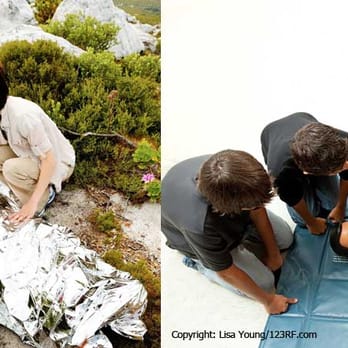
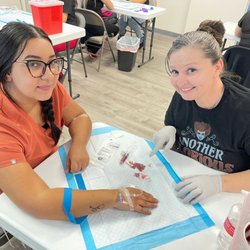
Over the course of the next five days you will be immersed in all aspects of providing expert, compassionate care for all variety of medical and trauma patients. The scenarios begin with the elementary and mild, but consistently gain complexity and realism. Students play the roles of both rescuer and patient, both are invaluable sources of insight into the process of staging a wilderness rescue.
Mammoth Lakes is an amazing setting for any outdoor venture, including outdoor education. The majority of the 18 students in the class including myself camped very nearby. You'll want to add a couple of days to your itinerary to enjoy some recreation, because the class is pretty much all encompassing.
"Like drinking from multiple fire hoses at once", "There will be blood". read more