AdventHealth - Ocala Photos


You might also consider

More like AdventHealth - Ocala
Recommended Reviews - AdventHealth - Ocala
Start your review...


Reviews With Photos


The staff in cardiac care 6th floor are awesome. All the people in the chemical stress test nuclear medicine dept. Are super but just like back in the 70's and 80's the hospital formerly known as Munroe regional is falling apart. I supposedly had the best room in the hospital room 609. It had a beautiful view, but nothing else in the whole room worked. The table was cracked and the laminate was peeling off. There was no shower head in the shower. The lamp was taken apart. There were no towels wash cloths or soap. It was absolutely disgusting. I will never go back to that hospital as long as I live. They used to say Monroe was where you go to die. Well, I still believe that to be true. The staff is great, but they need to tear that place down and start over.
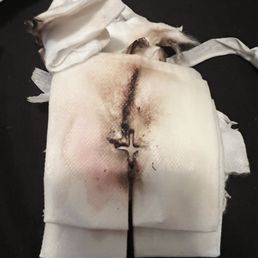

Some nurses are great some are just there for a paycheck and get attitudes when you need something. When you tell them you're in pain they act like you are just wanting meds to get high. Had some nurses lie to the doctor just to get meds changed. I had a feeding tube put in my stomach and told them the wound was infected before I left they told me it is supposed to look like the way it was only for me to come back and be admitted a week later because it was infected. Not to mention the surgeon that did the procedure had to go back and fix it when he put it in. I kept telling them I was in excruciatingly pain from it and all I was told was it's supposed to be painful and sore. Finally made them give me a ct scan to show it wasn't in my stomach. I would not recommend this hospital to anyone
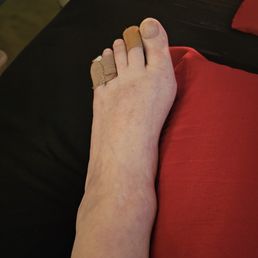
I would give a -5* if possible! Worst medical care ever, and I'm Not young! From the emergency room to the techs. Example: was taken to the ER by ambulance with a busted up, DISLOCATED Anckle. The ER Never bothered to ckeck the foot thats ATTACHED to that ankle, which IS damaged, PERMANENTLY!! They are a joke of health Care, and a bigger joke that they consider themselves as CHRISTIAN!! The oath of "DO NO HARM" doesn't mean a dang thing to ANYONE employed by Advent. From the Drs with offices located in the hospital buildings, to the Blind technicians that send outside Drs BLURY MRI images, that are completely a waste of the funds took to take the images to the paycheck they gave to the INCOMPETENT TECHNICIAN that took the MRI!!!! Advent healthcare has Permanently, physically messed me up from head to toe, LITERALLY!! And of course the pain I'm now Constantly in doesn't matter to Any Healthcare Dr in this MORALLY REPREHENSIBLE JOKE OF A STATE!!! I have health issues that Will go Untreated cuz I'm petrified this place either kills me, or causes me to suffer with more of their PISS POOR Med Treatment!! They Need to be Paying Me for the EMOTIONAL DISTRESS, and the PAIN AND SUFFERING Advent healthcare has caused me!!! I will never walk into another Advent again!! Matter of fact if anyone wants to join in I'll start a class action lawsuit against them but of course I can't do that alone!!! And this is what I think of Advent healthcare and their joke of their "Christian" "Do no harm" Medical Treatment: DISGUSTING!!! INHUMANE!!!! Here's a pic of what I have to do to my toes for the rest of my life from the damage that Advent COULDN'T BE BOTHERED TO CHECK IN THE ER!! This happened back in 2021. Even the bruising wont go away. Nerves are messed up. Can't even touch it without hurting. Not to mention that Every pair of shoes has to be stretched for that foot! And also one of their ENT Dr's, completely Deformed my nose after a SIMPLE a deviated septum surgery! How many a deviated septum surgeries are done in this country a day? And I get some frickin QUACK!! Now need bone grafts off my ribs to fix my ugly nose!! It's 100% worse now than when I went in for the surgery. How do you have so much scar tissue from one surgery that I have to have bone grafts to fix this deformed mess??? ADVENT HEALTHCARE SYSTEM NEEDS TO BE SHUT DOWN!!!!!!!!! They Are MORALLY REPREHENSIBLE!!! And GREEDY!!! Gotta cut those corners, and Screw the patients!!!


This Hospital and especially the emergency room need to be audited immediately. I highly recommend you have some sort of audio recording device or other on you if you visit . Just be careful not to violate anyone's privacy or HIPAA laws .

8 years ago

9 days ago

21 days ago
2 months ago

2 years ago
The staff in cardiac care 6th floor are awesome. All the people in the chemical stress test nuclear medicine dept. Are super but just like back in the 70's and 80's the hospital formerly known as Munroe regional is falling apart. I supposedly had the best room in the hospital room 609. It had a beautiful view, but nothing else in the whole room worked. The table was cracked and the laminate was peeling off. There was no shower head in the shower. The lamp was taken apart. There were no towels wash cloths or soap. It was absolutely disgusting. I will never go back to that hospital as long as I live. They used to say Monroe was where you go to die. Well, I still believe that to be true. The staff is great, but they need to tear that place down and start over. read more


7 months ago
7 months ago

11 months ago
1 year ago
11 months ago

2 years ago
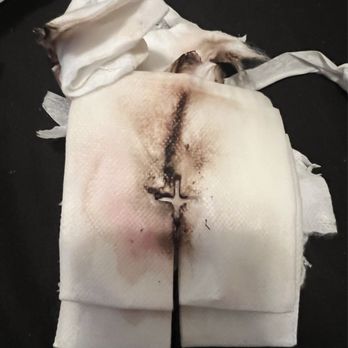
Some nurses are great some are just there for a paycheck and get attitudes when you need something. When you tell them you're in pain they act like you are just wanting meds to get high. Had some nurses lie to the doctor just to get meds changed. I had a feeding tube put in my stomach and told them the wound was infected before I left they told me it is supposed to look like the way it was only for me to come back and be admitted a week later because it was infected. Not to mention the surgeon that did the procedure had to go back and fix it when he put it in. I kept telling them I was in excruciatingly pain from it and all I was told was it's supposed to be painful and sore. Finally made them give me a ct scan to show it wasn't in my stomach. I would not recommend this hospital to anyone read more


2 years ago
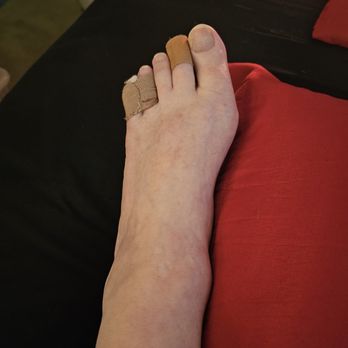
I would give a -5* if possible! Worst medical care ever, and I'm Not young! From the emergency room to the techs. Example: was taken to the ER by ambulance with a busted up, DISLOCATED Anckle. The ER Never bothered to ckeck the foot thats ATTACHED to that ankle, which IS damaged, PERMANENTLY!! They are a joke of health Care, and a bigger joke that they consider themselves as CHRISTIAN!! The oath of "DO NO HARM" doesn't mean a dang thing to ANYONE employed by Advent. From the Drs with offices located in the hospital buildings, to the Blind technicians that send outside Drs BLURY MRI images, that are completely a waste of the funds took to take the images to the paycheck they gave to the INCOMPETENT TECHNICIAN that took the MRI!!!! Advent healthcare has Permanently, physically messed me up from head to toe, LITERALLY!! And of course the pain I'm now Constantly in doesn't matter to Any Healthcare Dr in this MORALLY REPREHENSIBLE JOKE OF A STATE!!! I have health issues that Will go Untreated cuz I'm petrified this place either kills me, or causes me to suffer with more of their PISS POOR Med Treatment!! They Need to be Paying Me for the EMOTIONAL DISTRESS, and the PAIN AND SUFFERING Advent healthcare has caused me!!! I will never walk into another Advent again!! Matter of fact if anyone wants to join in I'll start a class action lawsuit against them but of course I can't do that alone!!! And this is what I think of Advent healthcare and their joke of their "Christian" "Do no harm" Medical Treatment: DISGUSTING!!! INHUMANE!!!! Here's a pic of what I have to do to my toes for the rest of my life from the damage that Advent COULDN'T BE BOTHERED TO CHECK IN THE ER!! This happened back in 2021. Even the bruising wont go away. Nerves are messed up. Can't even touch it without hurting. Not to mention that Every pair of shoes has to be stretched for that foot! And also one of their ENT Dr's, completely Deformed my nose after a SIMPLE a deviated septum surgery! How many a deviated septum surgeries are done in this country a day? And I get some frickin QUACK!! Now need bone grafts off my ribs to fix my ugly nose!! It's 100% worse now than when I went in for the surgery. How do you have so much scar tissue from one surgery that I have to have bone grafts to fix this deformed mess??? ADVENT HEALTHCARE SYSTEM NEEDS TO BE SHUT DOWN!!!!!!!!! They Are MORALLY REPREHENSIBLE!!! And GREEDY!!! Gotta cut those corners, and Screw the patients!!! read more
1 year ago

2 years ago
This Hospital and especially the emergency room need to be audited immediately. I highly recommend you have some sort of audio recording device or other on you if you visit . Just be careful not to violate anyone's privacy or HIPAA laws . read more


1 year ago
1 year ago
2 years ago

2 years ago

2 years ago
1 year ago

4 years ago
My wife had a gall bladder removal surgery here and it was a great experience. Surgeons and nurses were great, the room was very nice, no complaints at all. Our stay had to be extended due to complications but it was all handled very well. Easy parking also. read more
2 years ago

3 years ago

3 years ago

3 years ago

5 years ago
3 years ago

7 years ago
Of course this is just my opinion. I would like to start by saying I take social media reviews very seriously. I try to put as many reviews out as possible. This one is truly heartbreaking. This is actually my 3rd inpatient stay.All three stays have been with the last 5 months. Admission #1 I got pneumonia from a very sick interventional radiologist at the hospital. I went for a test and ended up catching this bug from him. I was admitted for 8 days. They put me on the 6th floor. Clearly this was a floor that no one had regard for. I guess it's where they sent people to die. I am not exaggerating when I tell you that my own 75 yr old mother made my bed and even cleaned the floors in my room. Not once did housekeeping come in. My family had to beg for ice water for me. One afternoon I laid in my own bloody bed for quite some time. Again my family fought to get this handled. I also had to be rushed back to the OR for a second surgery because of a "defective catheter ". The care received was well below any standard and when the family would go to speak with someone, the administration would yes them and move on. Shame on you ADVENT!! Admission #2 Had no choice, locked in because of dialysis (Davita) Went to ER due to chest congestion. Once again I am admitted. This time they find I need a heart stent. Heart stent put in, but chest congestion not really ever addressed. I was coughing my head off. The staff was quite difficult and none of them went above and beyond to do anything extra. I am a dialysis patient, stuck on a on a stent floor. The hospitalist Doctor was only interested in making sure that they released me never mind the fact I was still sick. Admission#3 Admission number three came only a couple days after I was discharged from the second admission. I was admitted this time for a GI bleed as well as the same problem as above. Coughing my head off. But I was admitted to the fifth floor this time which is the dialysis unit.Wouldn't you know it, the same hospitalist, Who discharged me was the admitting doctor for my third hospital stay. We did ask him to be reclused. This was a rough day for me because my hemoglobin had dropped very low and I required a blood transfusion for a second time. This seems to be the new norm in my life. I want to commend the nursing staff Paul and Kelly were fantastic. They were very attentive and caring and just seemed to really care about what was happening in your plan of care. They were certainly on top of things and was always there to lend a hand. After several days of being in the hospital I was still no closer to feeling any better. The only difference was is that I had been given blood. It's obvious to this reviewer that no one cares why I'm losing blood. Advents Hospitalist Group says, "cant help you with your anemia, we have no answers". check out please there is nothing more we can do. A 4th admission is possible but I suppose dying will be much easier. read more

5 years ago

5 years ago
2 years ago

5 years ago
4 years ago

8 years ago

6 years ago

5 years ago

9 years ago
5 years ago
5 years ago

7 years ago
Page 1 of 2
More info about AdventHealth - Ocala
Ask the Community - AdventHealth - Ocala
Review Highlights - AdventHealth - Ocala

















Why does Yelp recommend reviews?
17 reviews that are not currently recommended
The reviews below are not factored into the business's overall star rating.
3 years ago

2 years ago
4 months ago
1 year ago
4 years ago
3 years ago

4 years ago
1 year ago
1 year ago
5 years ago

7 years ago

5 years ago

4 years ago

2 years ago

3 years ago
7 years ago

7 years ago


