The Summer That Stays With You
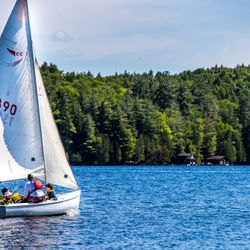
The summer of 1973, I was seven years old and absolutely terrified. I had never been away from home. I didn't know a single person at Adirondack Camp. I was homesick. And then, paraphrasing fifty years of memory here, I fell completely and irrevocably in love with a peninsula on the north end of Lake George that I still consider one of the most important places of my life.
I went back every summer through the late 1980s. I came back as a counselor, then as Head of Sailing. I watched my own children walk down those same docks for the first time. For more than two decades I've served as an advisor for camp I've sat on the board of the Adirondack Camp Scholarship Fund, working to ensure that this experience isn't available only to families who can afford it. I am, by any honest reckoning, not a neutral observer. But I've also spent a long time thinking seriously about child development. The case for Adirondack Camp is not simply nostalgic; it's substantive.
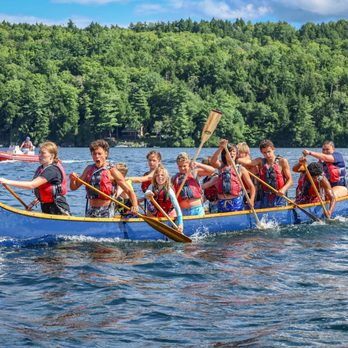
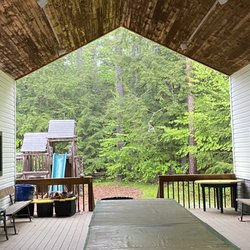
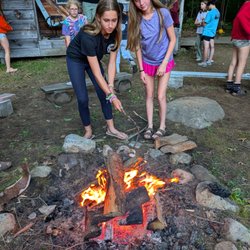
Let me tell you what it actually is. Adirondack Camp is a traditional, screen-free co-educational sleepaway camp on a peninsula on the north end of Lake George, welcoming kids ages 7-16. There are about 150-200 campers per session, with one counselor for every three kids. No electricity in the cabins. No cell phones. No paved roads. A live bugler marks the day with Reveille in the morning and Taps at night. At 5:45pm, the whole camp assembles at the flagpole for Retreat, a flag-lowering ceremony with formation, salute, live bugle, and a cannon shot that the Junior campers absolutely love.
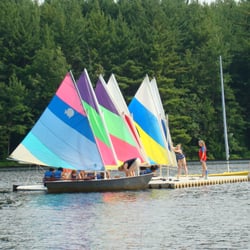
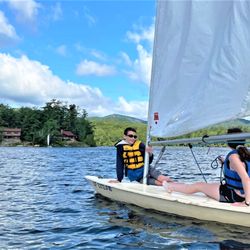
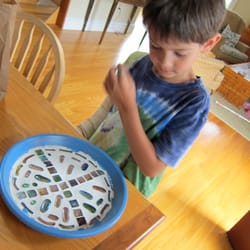
There are thirty-plus activities: sailing, kayaking, waterskiing, windsurfing, canoeing, paddleboarding, swimming, rock climbing, archery, tennis, soccer, fencing, basketball, photography, creative arts, culinary arts, performing arts, wilderness trips, and more. Campers choose their own schedule, picking five activities each week. This matters: choice-based selection teaches children to advocate for their genuine interests. About 20% of campers are international, from Spain, France, Germany, Venezuela, Israel, Taiwan, Pakistan, the UK, and more. Their countries' flags hang in the dining hall. When a child from Pakistan and a child from Connecticut become cabin friends, something very special and educational is happening that no school-based curriculum can produce.
The traditions are extraordinary and old. Gatherings in a wooded pine grove date back nearly a century and teaches respect for indigenous culture and environmental stewardship. The Blue/White team events and competitions instantly grant every new camper a team, a history, and people cheering for them. Sunday evenings bring Gathering, the whole community sitting on the rocks facing the sunset, sharing music and honest reflection. And at the end of each session, a candlelight ceremony on the main lawn: every camper and staff member holds a candle in the darkening sky, singing the camp song one final time. I have seen grown adults weep at this. Earned tears.
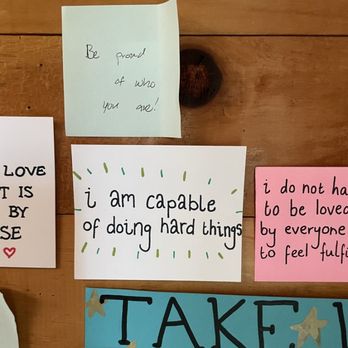
What does all of this produce in children? Greater confidence, more patience, renewed appetite for physical challenge, improved attention spans after weeks without screens, and friendships that can last a lifetime. My own children came home from Adirondack Camp more capable, more settled in who they were, and more at ease with genuine challenge. A child who swims the Big Triangle, a supervised open-water crossing of Lake George accompanied by a flotilla of safety boats, has learned something about herself that no classroom could have taught.
Additionally, the Adirondack Camp Scholarship Fund, a 501(c)(3) non-profit, exists to ensure that access to this experience isn't limited only to families who can afford it. Since 2003, the Fund, led by a volunteer board of alumni and parents, has provided partial or full scholarships to more than 100 children. Some have attended for many years, moving from camper to counselor to community member. That, to me, is what integrity looks like in an institution: not just saying that every child deserves opportunity, but organizing resources to make it possible.
If you're a parent trying to decide whether Adirondack Camp is right for your child: probably yes, if your child is curious, reasonably open, and not wedded to their devices. It's hard to imagine a child who couldn't find something to love here, and in finding it, find a truer version of themselves.
Now in my sixties (yikes!), that peninsula is still the clearest reference point I have for what a childhood can be.
The true value of Adirondack Camp is not just the activities it offers, but the kind of adults its campers often become: independent, resilient, empathetic, confident, and connected to both people and the natural world. After more than fifty years of involvement as camper, counselor, department head, parent, advisor, and scholarship advocate, that conclusion is not sentiment. It is evidence. read more