Short Answer: Venture at your own risk…read more
Description:
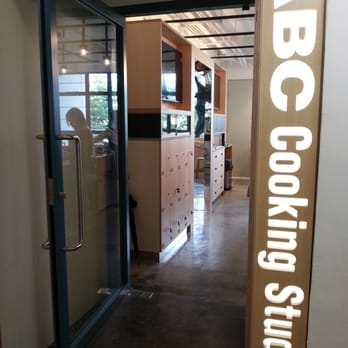
Nestled a block away from Nathan Road-Hong Kong is HK Star Chef Management, a vocational culinary school that specializes in teaching regular people in professional level cooking. Because Hong Kong is heavily influenced by the west and modern Hong Kong tastes, this school offers courses in HK-style baking and pastries, Western-style Christmas cooking, parts of popular Korean & Japanese Cuisine, and modern Cantonese cooking, for the house or in the professional kitchen. The lead management team can speak English, Cantonese, and Mandarin for arrangement of courses and willing to negotiate a course right for you. While HK has its own culinary school, it's a 10-year commitment and this is better suited for those visiting HK and wanting to learn cooking without too much red tape. Because this is a well established cooking school, celebrity chefs and actors have been known to appear to do special shows or do presentations like Martin Yang.
Pros: Large kitchen, spacious
Cons: Limitations in translation, bring your own container, certain instructors are impatient, requires advance reservation and payment
Things to look out for:
If you're not versed in read/write traditional Chinese text and can't speak Cantonese, there will be complications in this venture. Most can speak Mandarin, but if you can only read simplified text, that may be a problem as well. While they do offer translators, they may charge extra for the person to translate for you; it might be better to bring a fluent friend to join you in class to explain things. They don't mind occasional picture-taking (totally fine in private courses), but the general classes are strict about it and they don't welcome video filming. The school only accepts PayPal or cash, no credit cards; it's less costly if you pay for the courses in person. Their website has an English page, but due the school's limitations in English, the descriptions and explanations comes off a little stiff or technical; it's better to contact them to make sure all the terms are fully understood to avoid any confusion. Most of their courses are either seasonal or appointed; always be clear exactly when the courses start or you risk missing the dates. When you do take the courses, be sure to bring 2 food containers. While they provide English-friendly recipes, it's not accurate in translations and it was intentionally made that way to avoid their secrets leaked out; you'll be making modifications to the recipe by pen. Private courses are more costly, but the instructors are more patient and they tend to be much more tolerable than the general class courses. Lastly, they use ancient imperial weight standards like catties and taels in their demos. It's important you get the conversions metrically or you're in trouble.
Experience:
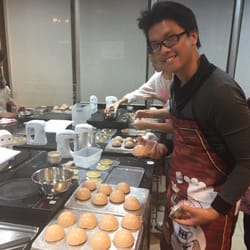
I signed up for the general course to learn in a small class of 8-10 people, where we all learned to cook with the wok. The instructor I had wasn't the most helpful, he didn't even go into teaching core basics like how to manage a wok, didn't go in depth about the tools and techniques needed to cook nor how to master something so simple as flipping the wok; he just expects you to figure it out. The chef was impatient and prefers to finish up class as soon as possible; he doesn't always make sure you get the recipes right nor will help you if he doesn't like you. When it came to conversions and explaining the why and how, everything is relative to his wisdom and mood; he doesn't know everything. Fortunately, he wasn't the only instructor I had.
I studied with two other chefs and they were the kind of chefs you would want as a true teacher. They were very patient and understanding, they bothered to help explain things that the general instructor didn't and was very kind to me. I learned a great deal from these guys and I regret unable to follow them as my teacher.
Overall, this is the closest place you might be able to find to fully teach you about Cantonese cooking. Check Martha Sherpa as alternative. The admin crew was good to me, it was really some of the staff members and organization (compared to Institute of Culinary Education or FCI) of the courses that made me rate them lower. There are other places available, but similar challenges of translation and recipe accuracy is challenging. You won't fully master everything unless you have a great memory. The lessons require strong recollection ability, it's difficult even if you're an experienced chef. Certain dishes are easier than others, it requires constant practice to fully master everything and that's something you won't get in any cooking school. It's better to find a place to reinforce what you learned here or you risk losing your investment. Youtube actually have a bunch of chefs also freely teaching so-called Chinese secret recipes out on the web as well. If you're just doing this as an experience, then the venture would be more enjoyable.