
Windsor Dermatology
By appointment only
Services - Windsor Dermatology
Acne treatment
Hair loss consultation
Nonsurgical hair loss treatment
Windsor Dermatology Photos


You might also consider


More like Windsor Dermatology
Recommended Reviews - Windsor Dermatology
Start your review...


Reviews With Photos
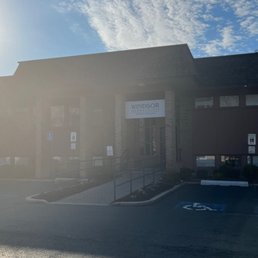

This is the first time in my life that a dermatologist appointment didn't accompany a long waiting period beforehand. Came to see Dr. Simone at 4:10 and I was in and out by 4:35. Record time!

1 year ago
A few years ago, I had Mohs surgery on my nose at Schweiger Dermatology for basal cell carcinoma. Before the procedure, I was told I might have a scar--but what I ended up with felt more like a disfigurement (see photos. The crater on my nose is from the surgery). Right after the surgery, I was handed a plastic surgeon's business card and told I'd need reconstruction. Recently, I was diagnosed with basal cell carcinoma again. This time, I chose a facility in New York that has both a Mohs surgeon and a plastic surgeon on-site, hoping for a better outcome. I asked Schweiger to forward my biopsy results to the new facility a week ago. I've left multiple voicemails and emails--but haven't heard back. This is cancer, and time matters. The lack of response is upsetting and unacceptable. I wonder if they've lost my records or won't send them because I've chosen a different provider. As you may imagine, I can't recommend Schweiger Dermatology based on my experience. read more


9 days ago

1 year ago





3 years ago

3 years ago
2 years ago

5 years ago
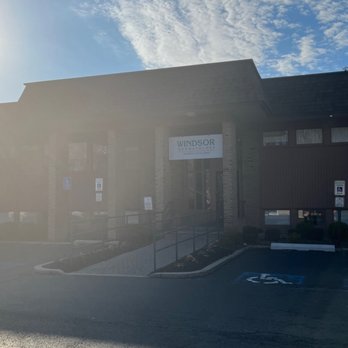
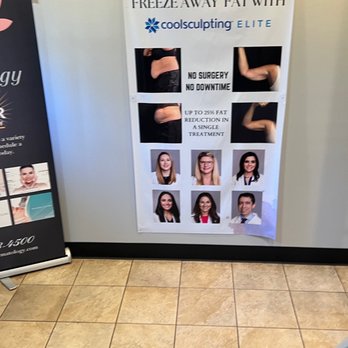
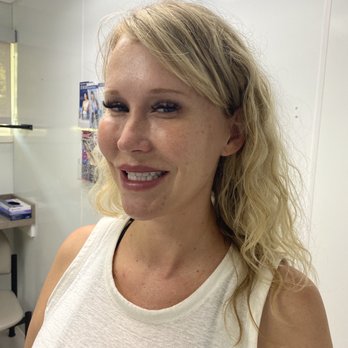
I absolutely love everyone at Windsor Dermatology's cosmetic center! I'll start with Alicia at the front desk. She is sweet, helpful and funny. I had questions about scheduling and pricing. She was able to answer them quickly and accurately. If she didn't know the answer she found it out immediately. Best of all is her sense of humor! Next is Katie Alexas nurse. She also answers any questions I have and is very sweet. She even went to double check what order I needed to put my lotion on. I also love Brandi at the front desk. She gave me tons of samples and explained each one. Last but obviously not least is Alexa!! She is the best! Didn't even feel the Botox! read more

4 years ago

3 years ago

2 years ago
4 years ago

5 years ago
5 years ago
3 years ago


7 years ago

5 years ago

7 years ago
4 years ago

9 years ago

7 years ago
4 years ago
4 years ago


7 years ago

9 years ago
7 years ago
4 years ago
6 years ago

8 years ago
5 years ago

11 years ago
3 years ago
8 years ago
6 years ago
Extremely upset and disappointed with my recent visits at Windsor Dermatology. I wanted a mole removed off my chest for cosmetic reasons and was told it was going to be easy and that I wouldn't have any scar after the wound healed. Turns out my experience was far from "easy". After two weeks of stitches, I was told my wound didn't heal properly, so I was given butterfly stitches. When they fell off, my skin was SPLIT OPEN WIDE. I immediately called Windsor Dermatology's on call service and when I explained what happened, they tried to make me think it was no big deal and that I should let an OPEN WOUND heal on its own. I decided to get a second opinion since I was worried that my wound was going to get severely infected. I went to a plastic surgeon and they were horrified with how my skin looked. I was told that the doctor cut my chest the INCORRECT way as to why my stitches did not heal and the skin spread open. I had to be RECUT and RESTITCHED due to this ridiculous mistake done by Windsor Dermatology. I was unable to do physical activity for over a month due to pain and am now dealing with a HORRIBLE scar. I will NEVER be coming back to this place. read more


6 years ago
7 years ago

7 years ago
Page 1 of 2
More info about Windsor Dermatology
59 One Mile Rd Ext
East Windsor, NJ 08520
Directions
(609) 443-4500
Call Now
Visit Website
http://www.windsordermatology.com
Hours
Payment methods
Services
Outdoor Amenities
Other Amenities
From the Business
Ask the Community - Windsor Dermatology
Review Highlights - Windsor Dermatology
You might also consider












Why does Yelp recommend reviews?
43 reviews that are not currently recommended
The reviews below are not factored into the business's overall star rating.
3 years ago
5 years ago
11 years ago
7 years ago

11 years ago
7 years ago
7 years ago
7 years ago

7 years ago
7 years ago

7 years ago
7 years ago
7 years ago
7 years ago

7 years ago

7 years ago
7 years ago
7 years ago
7 years ago
7 years ago


