Wimpole Hall Photos



Recommended Reviews - Wimpole Hall
Start your review...


Reviews With Photos


For anyone who does not know, Wimpole is a National Trust-owned 2,500-acre estate with a hall, gardens, farm, stables, shops and cafes - oh, and its own parish church. The hall and farm are okay, but the estate is a great place to take kids of all ages, there is a tarmac path for cycling on and plenty of space to walk around the estate off-road. Unusually for this part of the world, the estate is actually quite hilly and wooded (relatively speaking) which makes it a good trek for little ones. A favourite visit involves parking (for free !) in Arrington, then taking the little ones on the scenic route to the cafe for tea and scones followed by an easy stroll back along the path.


Car parking used to be free, now £2 unless you are an NT member. Used to take the dogs for long walks around the extensive grounds, particularly liked to woks in the woods. Today we just visited the gift shop and cafe with my Mother-in-law who can't walk far. Gift shop in the stable yard I'd say is standard fare, but expensive. There is a section selling produce from the farm including meat. The cafe I think has been re-done recently. Found the service a bit chaotic but the home made sausage roll was excellent (if expensive). Fills up rapidly after lunch (on Sunday), top tip, get there before noon.


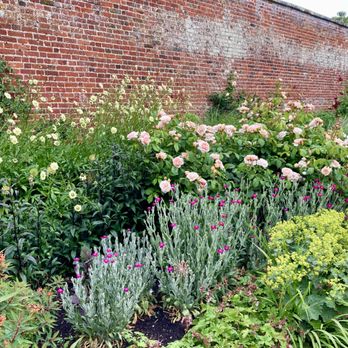
Wimpole Hall Estate, now in the care of the National Trust, includes a grand stately home, a working farm, lovely gardens and grounds (excellent for long walks), a cafe, shop and bookstall, and also includes an historic parish church. The history of the site dates back 2,000 years, though the Chicheley family who owned the estate from 1428 to 1686 began the core of the house we see today. The estate then passed through the hands of a dizzying array of nobility (the Earls of Radnor, the Duke of Newcastle, the Earl of Oxford and then the Earls of Hardwicke). Philip Yorke (1690-1764), 1st Earl of Hardwicke rebuilt the north and south fronts, but is also notorious for a judgement made while he was Attorney-General, which maintained that slaves brought to the UK remained enslaved while on British soil. The house passed to Viscount Clifden in 1894, before being bought by Captain George and Mrs Elsie Bambridge in 1942. The daughter of Rudyard Kipling, Elsie used her wealth to refurbish and furnish the hall, and is largely responsible for the condition in which we find it today. The hours for viewing the house are slightly more restricted than the rest of the grounds, but it is still well worth a visit. The former stables include a shop and bookshop, and nearby in the Old Rectory (behind the church) is a very nice café, serving usual range of light meals, cakes and teas that the National Trust is well known for. My favourite part of the site is the extensive walled garden, which from spring to autumn is a riot of colour, mostly herbaceous perennials. The church is also well worth a visit; this functions as the parish church, and was largely rebuilt in the late 18th century. However, it retains a 14th century mediaeval chapel (the Chicheley Chapel) which contains an impressive array of monuments of the nobility who have owned the Hall down the years. The estate now (2025) has a large series of car parks and a new, purpose-built visitor centre with toilets, about 250m from the house. Those with accessibility needs are advised to look at the National Trust website, which has details about access. read more


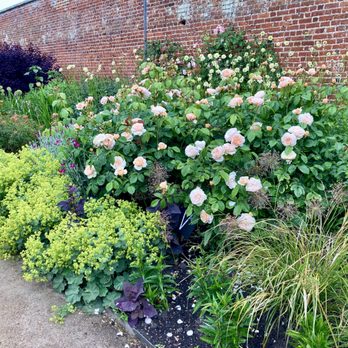


A National Trust estate about a 50 minute car ride from London. Plenty of parking and a free tractor ride from the main entrance to the farm. You could probably walk it in the same time the tractor takes but what is the fun in that!!? The farm is well organised and has a board with all the goings on with pretty accurate times to help you plan where to be to be able to catch the best bits. The pigs are a good place to start, if just for the squeeeeels of excitement when they get a hint of the impending feed. The highlight for me was the large walled garden and orchard. I do gaze upon these kinds of things with a lot of envy, just dreaming up what I would do with it if it were mine....one day. There is also an ornamental 'Dutch Garden' which is pretty much a pattern of low box hedges...not my thing but quite impressive from a gardening perspective. The shops are also quite nice, and there is a surprisingly large selection of plants for sale. Quick tip, go in the off season, lots of plants get reduced to half price! Oh, almost forgot, the onsite restaurant has plenty of seating space and does a good selection of home grown and home cooked food, and the cakes are not to be sniffed at either. read more


17 years ago
For anyone who does not know, Wimpole is a National Trust-owned 2,500-acre estate with a hall, gardens, farm, stables, shops and cafes - oh, and its own parish church. The hall and farm are okay, but the estate is a great place to take kids of all ages, there is a tarmac path for cycling on and plenty of space to walk around the estate off-road. Unusually for this part of the world, the estate is actually quite hilly and wooded (relatively speaking) which makes it a good trek for little ones. A favourite visit involves parking (for free !) in Arrington, then taking the little ones on the scenic route to the cafe for tea and scones followed by an easy stroll back along the path. read more


14 years ago
Car parking used to be free, now £2 unless you are an NT member. Used to take the dogs for long walks around the extensive grounds, particularly liked to woks in the woods. Today we just visited the gift shop and cafe with my Mother-in-law who can't walk far. Gift shop in the stable yard I'd say is standard fare, but expensive. There is a section selling produce from the farm including meat. The cafe I think has been re-done recently. Found the service a bit chaotic but the home made sausage roll was excellent (if expensive). Fills up rapidly after lunch (on Sunday), top tip, get there before noon. read more


There's nothing better than an afternoon strolling around a beautiful National Trust garden, especially if followed by a delicious coffee break. Wimpole Hall offers the perfect combination of olde worldy charm and modern ameneties. I was particularly impressed by their gift/farm shop and can't wait to visit again. read more



18 years ago

18 years ago

16 years ago