Viscardigasse Photos



Recommended Reviews - Viscardigasse
Start your review...



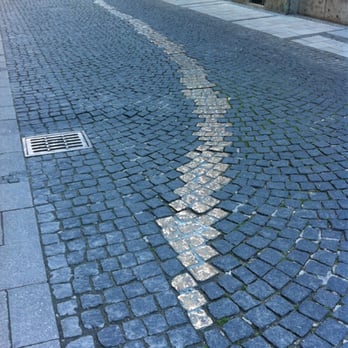
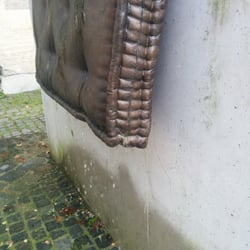
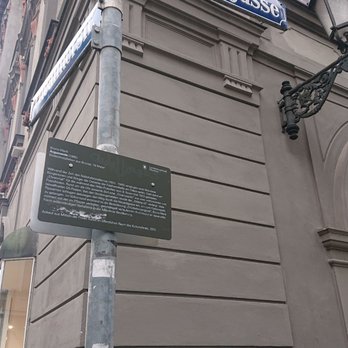
Munich has a vexed relationship with its role in the events leading up to WWII. Berlin gives great prominence to its past, no matter how confronting it may be. Munich, where everything started, less so. You can easily miss many commemorations like Shirker's alley. If you look on the eastern side of the Feldernhalle, on Residenzstrasse, you'll see several patched holes in the concrete. They look as thpough they might have held a plaque, screwed to the wall. Indeed, they did--it was a plaque that commemorated the failed coup--the Beer Hall Putsch--which the Nazis mounted in 1923, and ended in the Odeonsplatz with several members of the party shot by Bavarian police. Soldiers guarded the memorial at all times, and citizens who passed it had to salute. Those who wished not to do so, would duck through the nearby Viscardigasse. This became known as the Drückeburger Gaßl, or literally, "Shirker's Alley". To commmemorate this small act of resistance, the city of Munich asked sculptor Bruno Wank to design a memorial. It consists of bronze cobblestones, which trace the path of the "shrikers". It's not marked, so you could easily miss it. But amid the happy crowds, and the graciousness and elegance of this inner-city square, it serves as a chilling reminder of a darker past. read more