Specialties
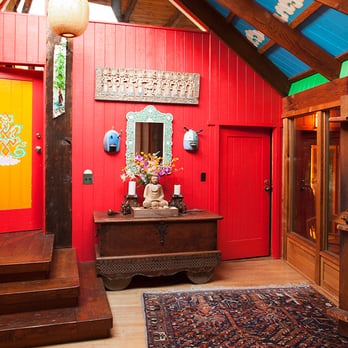
Seventy-thousand acres of rolling hills, pine forests, ranch lands, and uncrowded open beaches, nearly all of it a National Seashore, the Point Reyes Peninsula, only an hour's drive from San Francisco--this is the backdrop to the celebrated house that, in the 1970s, renowned ecological architect and author Sim Van der Ryn designed and built for himself. The Van der Ryn Eco Refuge House, with its five lush acres of Bishop pine, bay, and native oak as well as a vast edible garden, orchard, berry patch, and chickens, is now available for exclusive rental for corporate retreats or personal getaways.
History
Established in 2013.
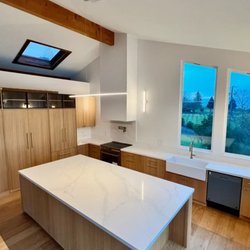
Designed and built in the 1970s by renowned ecological architect and author Sim Van der Ryn and renovated in the 1990s, the Eco Refuge's 4,000-square-foot, three-story house--a traditional pole barn with attached Japanese-style pavilion--includes five bedrooms and four baths, along with additional, informal sleeping areas. In all, the house sleeps 12 comfortably. The ground floor comprises a yoga/exercise/massage space; three bedrooms and three baths; and a 1,000-square-foot open kitchen/den/dining area/TV nook, a room that's ideal for dinner parties and talks and gatherings. The second floor is a living room/work corner and an additional bedroom and bath. A spiral stair in the living room concludes at the third floor, the master suite. Along with being Wi-Fi equipped, each room displays Van der Ryn's own paintings and other art collected over 40 years, and the house includes his personal multi-thousand-volume architecture and ecology book collection.
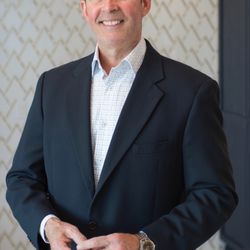
Meet the Business Owner: Sim V.
Native to the Netherlands, at the age of 5 Sim's family fled war torn Europe in 1939 to the outskirts of New York City. There, in nearby deserted marshes, vacant lots, and pocket parks, began Sim's innate fascination and respect for the natural world. He found an inner calm in the midst of unfamiliar orderly life forms. Looking back at this time, Sim writes in his latest book, Design for Life, "What I found in that haggard slice of nature was myself." The unspoken tragedy that he and his family left behind along with his experiences in nature imprinted him with a lifelong concern for social justice, equity and ecology. "When you escape one holocaust, you don't want to be part of creating another."