Trinity Lutheran Church Photos


More like Trinity Lutheran Church
Recommended Reviews - Trinity Lutheran Church
Start your review...



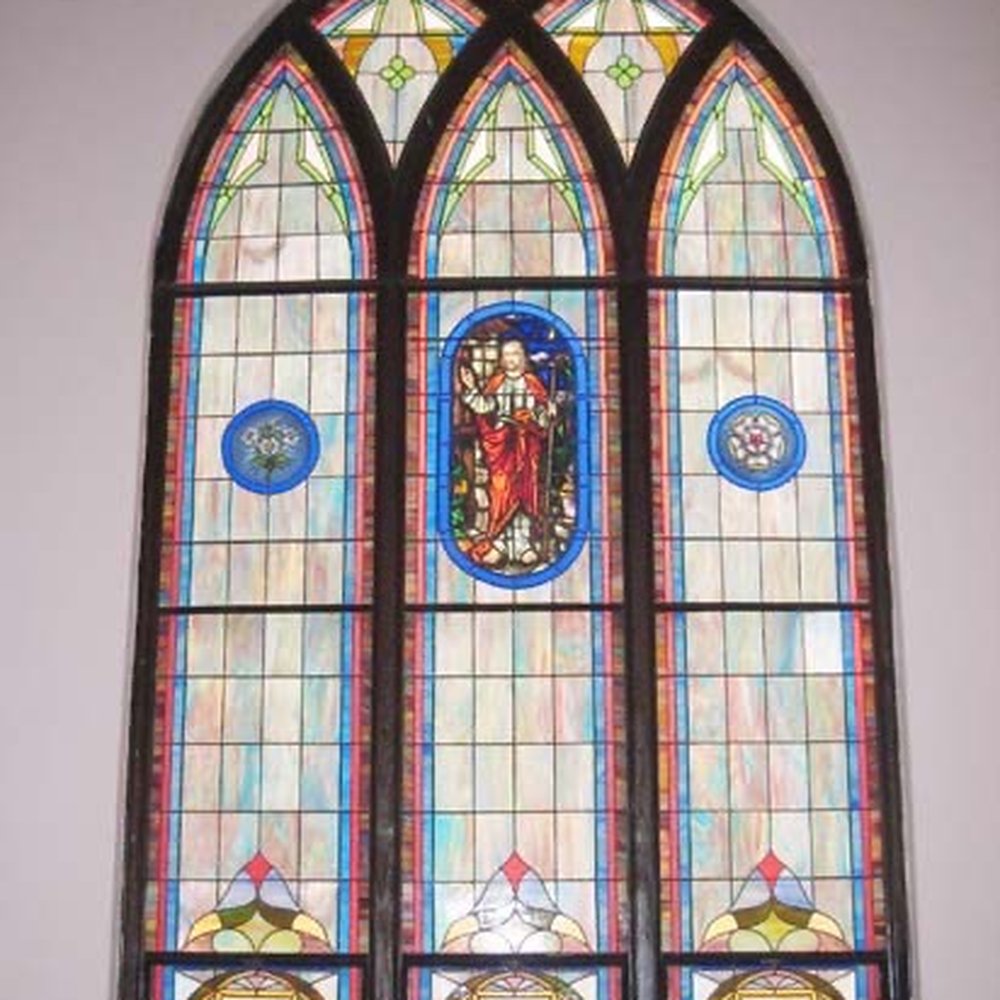
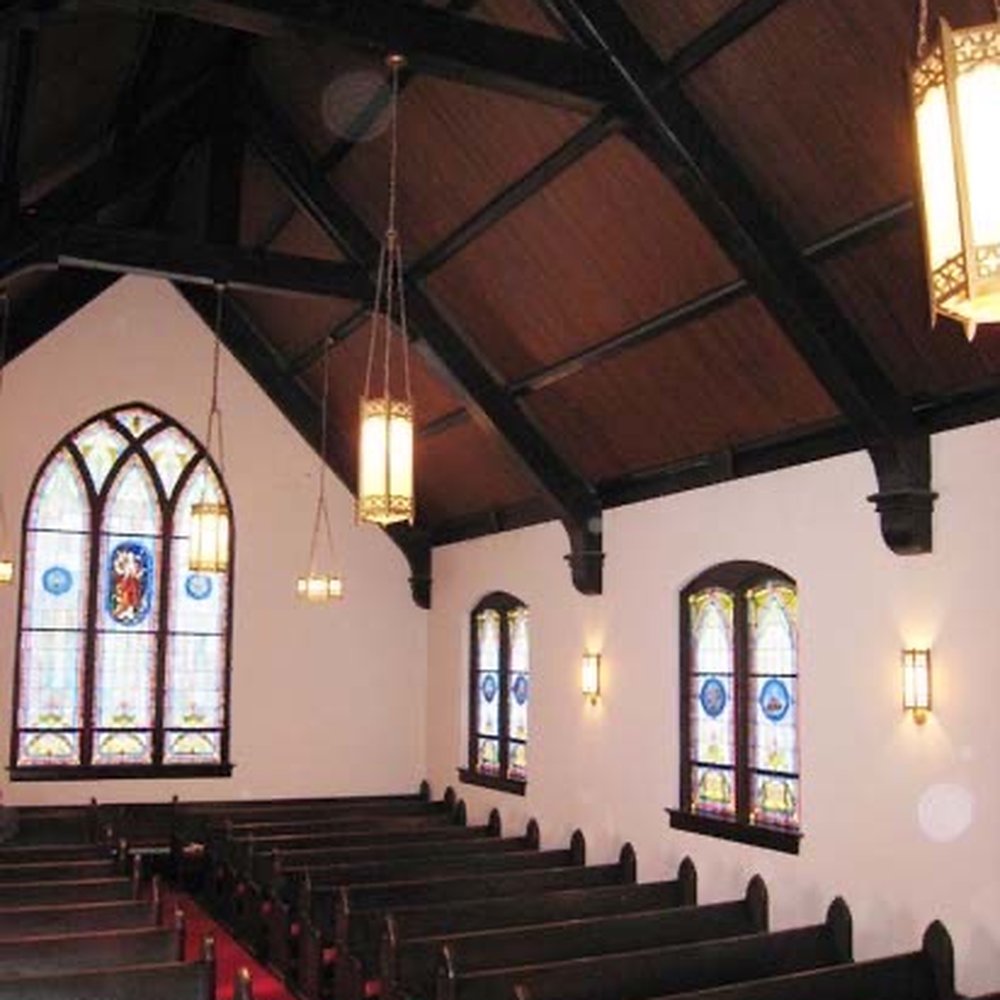
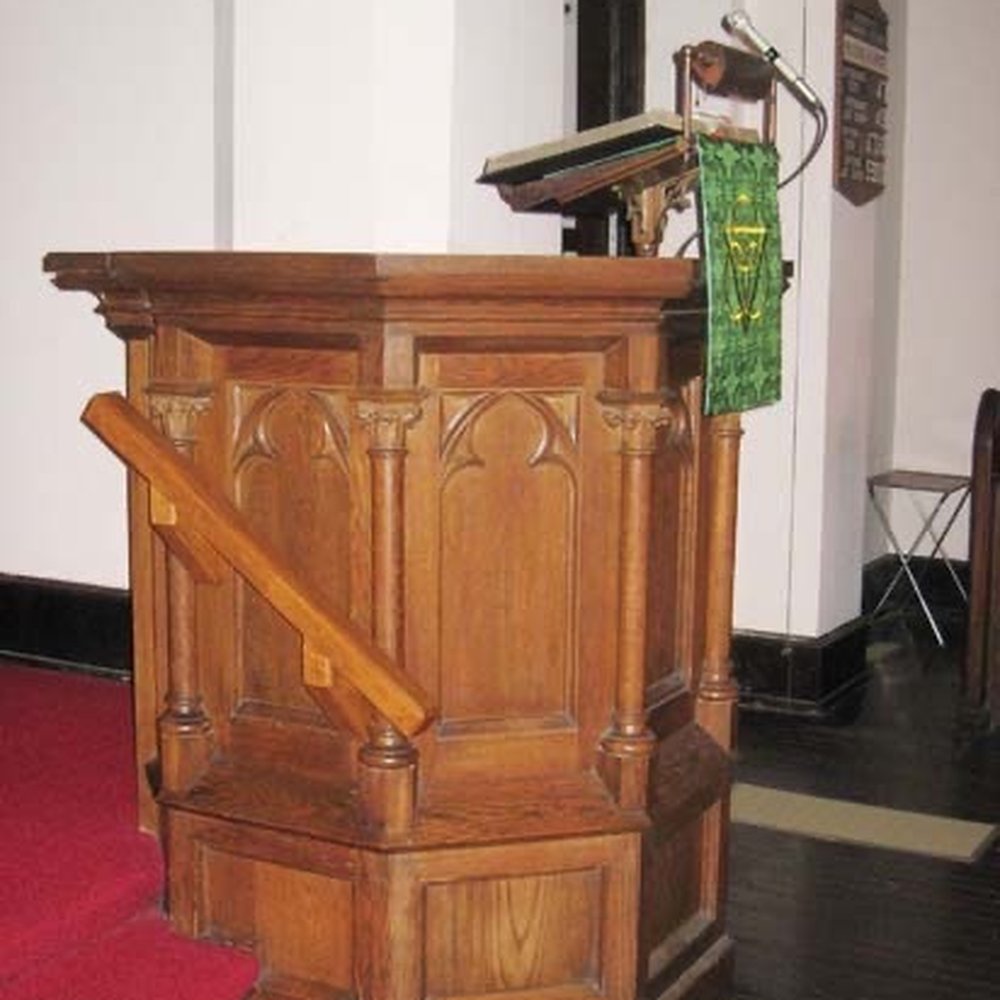
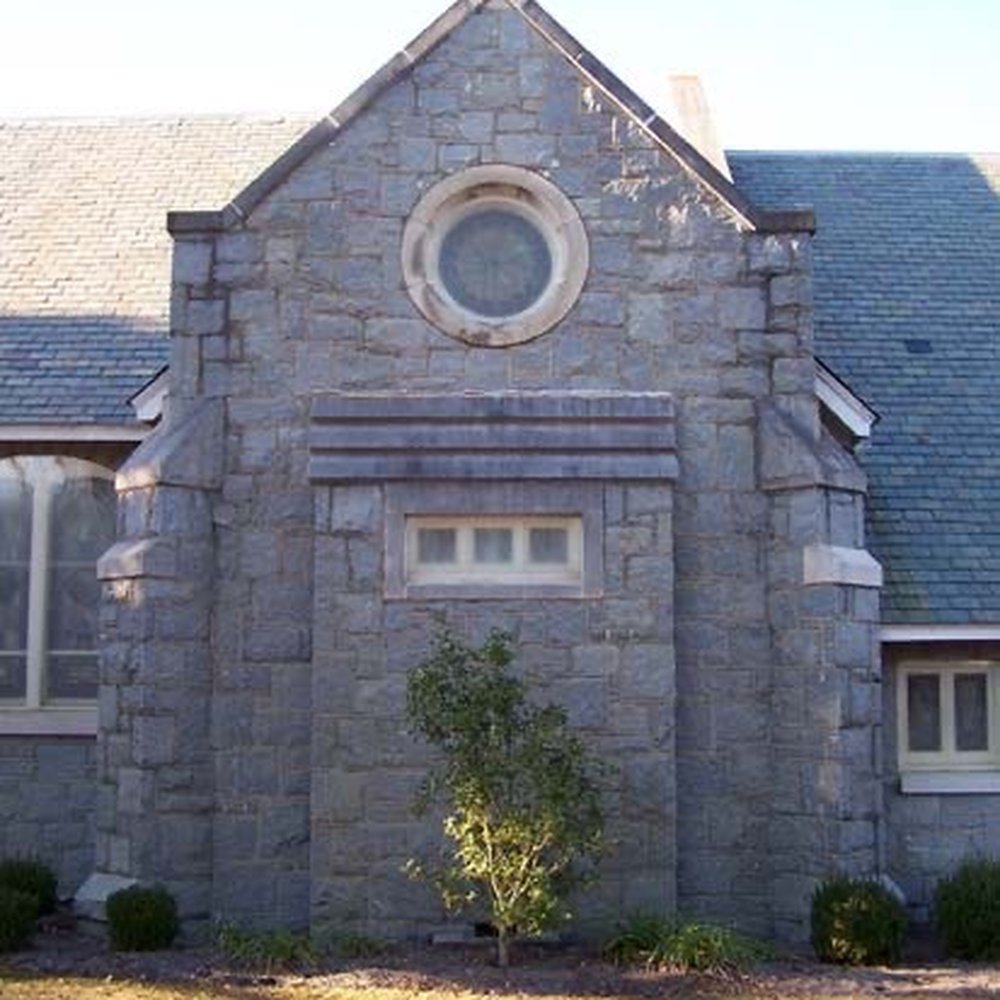
Such a welcoming congregation! Trinity Lutheran Church is a historic Lutheran church. It was built in 1914, and is a one-story, granite Late Gothic Revival style cruciform plan church building. The building replaced a wood frame church built in 1889 that was destroyed by fire in 1913 (after being struck by lightning). It features 16 granite and limestone buttresses and distinctive custom limestone arched door and windows. Thanks to the hard work of "Miss" Pat Holman and others, it was added to the National Register of Historic Places in 2008. From the 2007 nomination form: " Trinity Lutheran Church is significant for its architecture and as an excellent example of the ecclesiastical architecture of J. Carroll Johnson, well-known early twentieth century Columbia architect of the firm of Urquhart & Johnson. The church, constructed in 1914 in the shape of a cross, is made of blue granite which was mined in Winnsboro, South Carolina. This excellent example of Gothic Revival parish church architecture has distinctive exterior and interior features, and a sophistication not often exhibited in rural farming communities of South Carolina. Laid in random courses, its walls feature sixteen granite and limestone buttresses, granite and cast stone parapets rising two feet above the gabled slate roof, contrasting mortar, and distinctive custom limestone arched door and window surrounds. Broad wooden eaves extend well beyond the walls and feature fascia boards and open rafter tails. Trinity Lutheran Church's edifice and interior are rich in symbolism, as attested to by the eighteen stained glass windows. These windows were installed in 1952 and are the symbols of important events portrayed in the Bible. The largest stained glass window in the sanctuary is located on the southwest elevation wall and covers half of the space of the wall. It is framed by a flamboyant Gothic arch. A heavy pine-beamed, bracketed truss system supports the roof and adorns the sanctuary's and transepts' ceilings. Two noncontributing buildings are also on the property, a parish building, built sixty years after the construction of the church, and an addition to the parish building added in 1994." Listed in the National Register August 1, 2008. Photos from application materials. read more



More info about Trinity Lutheran Church










Trinity Lutheran Church - churches - Updated August 2026
Browse Nearby
Browse Brands
Related Searches in Elloree, SC
Attend Midnight Mass Services in Elloree, South Carolina
Best Animal Shelters for Pets in Elloree, South Carolina
Best Montessori Preschools Available in Elloree, South Carolina
Best Observation Deck Views in Elloree, South Carolina
Best Religious Schools and Education in Elloree, South Carolina
Best Sightseeing Experiences Available in Elloree, South Carolina
Bible Study Fellowship Options in Elloree, South Carolina
Blood & Plasma Donation Centers Near Elloree, South Carolina
Browse Middle Schools & High Schools in Elloree, South Carolina
Daycares With Cameras for Peace of Mind in Elloree, South Carolina
Discover Charming Historic Homes in Elloree, South Carolina
Discover Popular Photo Spots in Elloree, South Carolina
Discover Religious Organizations in Elloree, South Carolina
Elementary Schools With Best Reviews in Elloree, South Carolina
Enjoy the Best Walking Trails in Elloree, South Carolina
Experience Gospel Music in Elloree, South Carolina
Explore Beautiful Botanical Gardens in Elloree, South Carolina
Explore Beautiful Parks and Green Spaces in Elloree, South Carolina
Explore Children's Museums Near Elloree, South Carolina
Explore Education Options in Elloree, South Carolina
Explore Free Preschools Near Elloree, South Carolina
Explore Free Things to Do Around Elloree, South Carolina
Explore Landmarks & Historical Buildings in Elloree, South Carolina
Explore Places of Worship in Elloree, South Carolina
Explore Pre K Schools Near Elloree, South Carolina
Explore Preschools Available in Elloree, South Carolina
Explore Senior Centers Near You in Elloree, South Carolina
Explore Special Education Services in Elloree, South Carolina
Explore Summer Camps for All Ages in Elloree, South Carolina
Explore Top Retreat Centers Near Elloree, South Carolina
Explore Top Spiritual Centers Around Elloree, South Carolina
Find Catholic Mass Times and Locations in Elloree, South Carolina
Find Donation Drop Off Spots in Elloree, South Carolina
Find Mosques for Worship and Events in Elloree, South Carolina
Find Top Private Preschool Options in Elloree, South Carolina
Find Top Private Schools in Elloree, South Carolina for Your Family
Join Spanish Immersion Programs in Elloree, South Carolina
Locate a Peaceful Chapel for Events in Elloree, South Carolina
Must-See Tourist Attractions Around Elloree, South Carolina
Popular Places to Take Pictures in Elloree, South Carolina
Popular Things to Do in Elloree, South Carolina
Reliable Child Care & Day Care in Elloree, South Carolina
Secure Convenient Parking Options in Elloree, South Carolina
Top-Rated Plantation Tours Near Elloree, South Carolina
Visit Popular Museums in Elloree, South Carolina Now
Visit Religious & Spiritual Places in Elloree, South Carolina
People found Trinity Lutheran Church by searching for…
Trending Searches in Elloree, SC
Barbershop For Men near Trinity Lutheran Church
Cinema near Trinity Lutheran Church
Mini Golf near Trinity Lutheran Church
Pedicure near Trinity Lutheran Church
Piercing near Trinity Lutheran Church
Preschools near Trinity Lutheran Church
Shopping Malls near Trinity Lutheran Church


