The Sutcliffe Gallery Photos


Recommended Reviews - The Sutcliffe Gallery
Start your review...



18 years ago
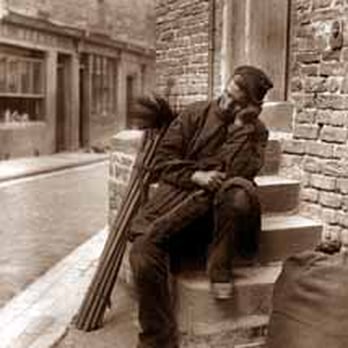
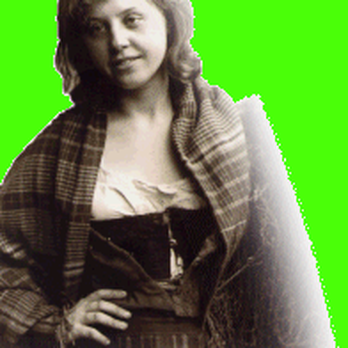
The Sutcliffe gallery is a gem. I have a few framed prints that I bought in this shop and spent ages looking through images of past times. Some are local characters like fishergirls Polly Swallow and Lizzy Alice Hawksfield. He produced magnificent studies of the characterful fisherfolk working around the harbourside with its picturesque square-rigged ships. Think Prospect of Whitby (the pub in Wapping) named after one of the ships. Love the one of the miller and the sweep on a cart..new meaning to black and white! Naked children swimming and playing (Water Rats)..children on doorsteps..farm workers..urchins. Lizzy spent many years on my wall as did one of ships in harbour. His most famous image is called Water rats (1886), a delightful picture which caused considerable controversy, and the wrath of the Whitby clergy for corruption of the young; it is said that they excommunicated Sutcliffe for exhibiting what they felt to be an indecent print to the corruption of the young and the other sex. By contrast the Prince of Wales (later Edward VII) purchased a copy of the picture. A photographer who is regarded as a pictorialist, there is also the documentary aspect of much of his work, portraying as it does the life of the times, with their street musicians, farmers, and other ordinary people. The full extent of his contribution was not recognised until long after his death. His work may also be seen at the Whitby Literary and Philosophical Society, Whitby. If you love Victorian scenes and photography..mainly of happy people then I defy anyone to browse this place and not come out owning a few prints. Background history for those interested: Frank Sutcliffe, born at Headingley, Leeds in 1853, set up his own professional photographic studio in a dis-used jet workshop in Waterloo Yard, Whitby in 1875. He remained in Whitby up until his death at the age of 88 in 1941..Sutcliffe developed a great affection for the busy little fishing port on the rugged North Yorkshire coast. These Whitby photos, together with his superbly composed landscapes and the farming community going about its daily tasks in the neighbouring moorland villages and valleys, eventually earned him over sixty gold, silver and bronze medals at exhibitions throughout the world between the late 1870s and the end of the 19th century. The vast majority of his negatives were on whole plate glass, the earliest being on wet collodion requiring the glass to be coated with the sensitive emulsion immediately prior to exposure of the plate. These negatives and the business were acquired by the Shaw family in 1959 after having been passed along through two other owners subsequent to Frank Sutcliffe. In 1965 Sutcliffe's plates were donated by The Sutcliffe Gallery to Whitby Literary & Philosophical Society, owners of Whitby Museum. Since that time a gradual process has taken place of transferring the images from the original plate, in the early days onto 8x10 sheet film, to create high quality duplicate negatives but now, with the means available to make high resolution scans, each subject is being digitally recorded on to two CDs, one for the Gallery archives and one for Whitby Literary & Philosophical Society. The main reason for doing all of this is the ethical one of obviating any further handling of the original negative. read more