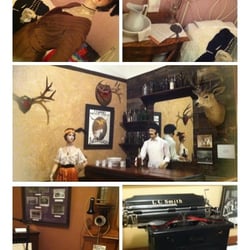
Stonerose Interpretive Center Photos
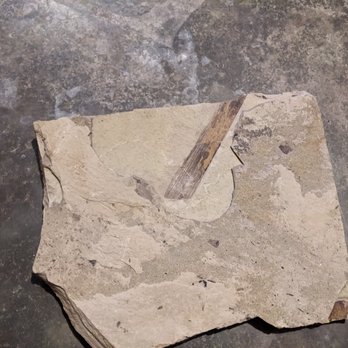


More like Stonerose Interpretive Center
Recommended Reviews - Stonerose Interpretive Center
Start your review...


Reviews With Photos
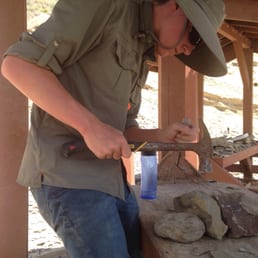

For $10 per person, $5 for kids, it was a helluva lot of hot & sweaty work to walk away with some partial leaf impressions. The young man who checked us out at the end was very friendly & knowledgable, but it sucked to have to wait for the very large party ahead of us when we were hot, tired, & hungry. It provided a decent memory, but I doubt you could get any of us to go again.


We had so much fun digging and learning about the awesome fossils that we found! The town of Republic is a great place to visit. Such beautiful scenery! I definitely recommend adding this to your list of family adventures!!!


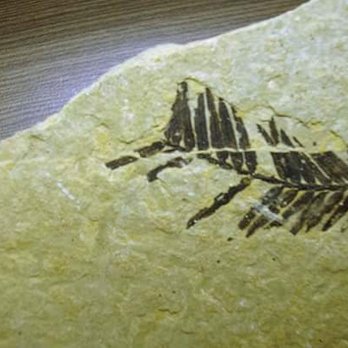
Our grandson is obsessed with digging for fossils so we just had to come! The museum is super cool with all kinds of displays of fossils found in the area. We went early in the day to beat the crowds. We paid in the store to dig and the staffer gave us a brief orientation on what rocks that were likely to have imprints or fossils, what the difference was and how to chip the rocks. He also lent us chisels and tools. The dig area is up the road and has several shaded tables and benches to chip the rocks open. The hill is a bit tricky to get up and down because of the gravelly terrain so be aware. There is a trail off to the side for those who don't want to tackle the hill. And bring lots of water and hats because it gets HOT! After you're done, you bring back your find to the museum and the staff will identify it for you. He told us we could take 3 home per person so we got some pretty cool souvenirs! read more

This is definitely worth a try. They were so friendly and helpful. Went over the best way to find a fossil and what to expect. We rented hammers and chisels from them. Found several fossils after only a couple of hours (or less) of chiseling and hunting. They were nothing too exciting, just wood and reeds. But it was a great experience. When we showed our finds back at the center, they were identified immediately. Very impressed with the knowledge of the staff. read more


For $10 per person, $5 for kids, it was a helluva lot of hot & sweaty work to walk away with some partial leaf impressions. The young man who checked us out at the end was very friendly & knowledgable, but it sucked to have to wait for the very large party ahead of us when we were hot, tired, & hungry. It provided a decent memory, but I doubt you could get any of us to go again. read more
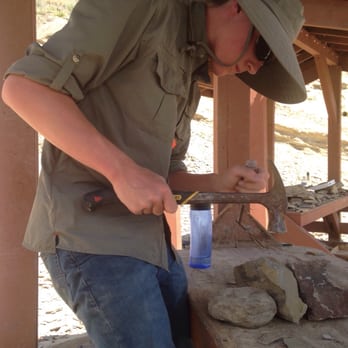

4 years ago

9 years ago
We had so much fun digging and learning about the awesome fossils that we found! The town of Republic is a great place to visit. Such beautiful scenery! I definitely recommend adding this to your list of family adventures!!! read more



10 years ago
My daughter wants to be a paleontologist and did her job shadow here. It was a great experience. The staff was friendly and helpful as well as knowledgeable. We found some great fossils and had a great time. read more


13 years ago

14 years ago
More info about Stonerose Interpretive Center
15 N Clark Ave
Republic, WA 99166
Directions
(509) 775-2295
Call Now
Visit Website
https://stonerosefossil.org
Hours
Other Amenities
From the Business