St. Marienkirche Photos


Recommended Reviews - St. Marienkirche
Start your review...



2 years ago

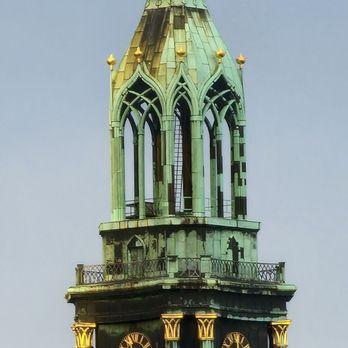
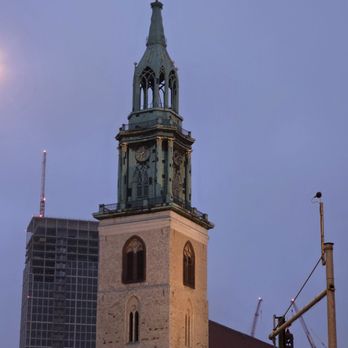
The Marienkirche is one of the oldest churches in Berlin and well worth a visit if you're visiting the city! The exact date of the construction of the church is unknown, but the church is presumed to have been built in the 13th century. The church was Catholic, but was converted to a Lutheran Protestant church during the Protestant Reformation. Within the church is the Totendanz ("Dance of Death") - a wall painting in the vestibule that was created at the end of the 15th century to commemorate the plague of 1484, which shows Death inviting people of all classes of society to dance. The wall painting was covered by whitewash but rediscovered in 1860. The wall painting is currently being restored. The church is beautiful and free to enter (although donations for the restoration of the church and the wall painting are encouraged) - a must see if you're exploring Berlin or interested in European history or cathedrals. read more
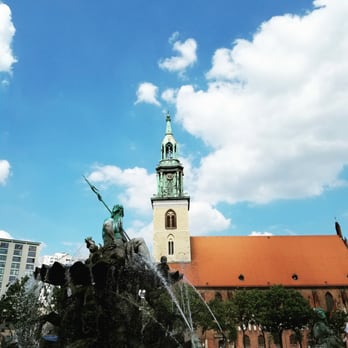

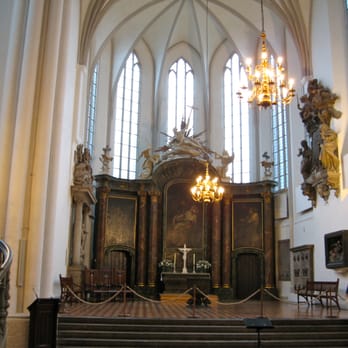
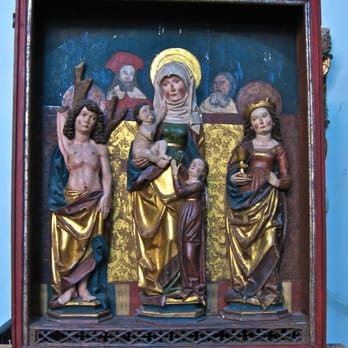
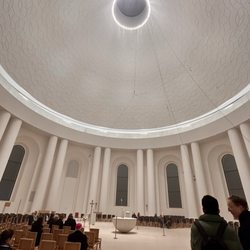
The Marienkirche (St Mary's Church in English) is the second oldest church in Berlin, after the nearby Nicholaikirche. The church was first mentioned in 1292, but it was probably begun earlier in the 13th century (c. 1250-70). It was completed in the 14th, and is constructed of a mixture of stone and brick. The tower was built in the 15th century and the baroque cupola was added in 1663-6. It became part of the Evangelical church at the Reformation in 1539, and is now both a parish church and the seat of the local Bishop. Once crowded by the houses of Mitte, it now stands in open parkland, close to Alexanderplatz. The interior fully vaulted throughout has a 5-bay nave with aisles and a short chancel ending in an apse. The nave and aisles are a good example of a 'Hall Church', with the aisles of equal height to the nave. Fully restored in 1950 after war damage, the interior is painted in a cool white and grey colour scheme. It has a number of monuments dating back to the late mediaeval period, the most important of which is a rather faded fresco in the tower, 22m long, depicting the 'Dance of Death'. This has pictures of individuals in a long line, dancing alternately with their skeletons, and is derived from members of the parish who died during the Black Death in the 15th century, around 1485. It is now kept behind a rather forbidding glass screen. Other fixtures and fittings of interest include a font from 1437, with three dragons and figures of Jesus, Mary and the apostles; a wooden retable from c. 1510; and a Baroque altarpiece dating from 1762, with paintings by Christian Bernhard Rode. The rather elaborate Baroque pulpit is by Andreas Schlüter and dates from 1703. The church has both a range of regular services (including one in English for the local Anglicans most Sunday evenings) and hosts concerts and other events. read more






More info about St. Marienkirche
St. Marienkirche Reviews in Other Languages












Why does Yelp recommend reviews?
1 review that is not currently recommended
The reviews below are not factored into the business's overall star rating.

7 years ago


