St Chad's Cathedral Photos


Recommended Reviews - St Chad's Cathedral
Start your review...



14 years ago

14 years ago

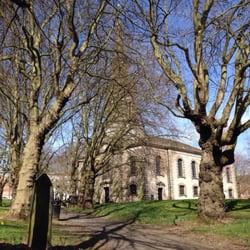
St Chad's is the Roman Catholic Cathedral of Birmingham. Located prominently (and slightly unfortunately) on the city's inner ring road, the striking Germanic twin towers of its façade are matched by an impressive interior. The building was designed by Augustus Pugin (1812-1852), most famous for his decorative work on the Houses of Parliament. The church was built to replace a chapel erected in 1808, and provide more accommodation to service Birmingham's burgeoning Roman Catholic population. Construction began in 1839 and it was substantially complete by 1841. It became a Cathedral in 1850, making it the first Catholic Cathedral erected since the Reformation in England. The church is designed in a north German 13th century style, executed in red brick with Bath stone dressings. The most prominent features are the two slender towers which frame the main façade, topped with tall broach spires. The interior is a revelation: although the plan is conventional, with transepts and an apsed sanctuary, Pugin designed a 'Hall church', with very tall arcades and aisles of similar height to the nave. This delivers scale and spaciousness on an otherwise restricted site. The ceilings are beautifully decorated throughout, illuminated by wide expanses of plain glass. The principal interest of its furnishings is the reliquary behind the High Altar, which houses some of the bones of St Chad, rescued from the cathedral in Lichfield after the Reformation. Recent archaeological investigation has confirmed their likely authenticity (several date from the 7th century). In the 'north' aisle is the impressive tomb chest to the first Bishop and instigator of the Cathedral, Bishop Thomas Walsh, executed in Decorated gothic style. The Cathedral has a reputation for excellent music in its worship. It is open every day for services, visitors, and private prayer. read more