Southwell Minster Photos


Recommended Reviews - Southwell Minster
Start your review...



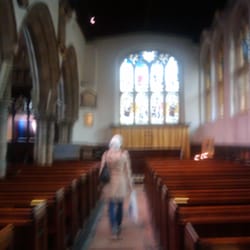
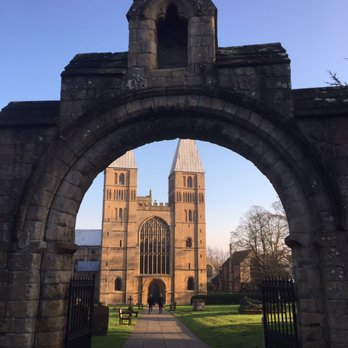
This fascinating Minster dates back to 11th century. It's history is so deep it is almost quite hard to comprehend. Dating back as a Roman and Anglo Saxon town, Southwell was located in an ideal location for farming, transport (Roman east/west, north/south roads), the River Trent and lodging. The Minster, considered a cathedral, but not making the town the status of a city, is a site to behold. The outside itself, has etchings and detail that make it interesting to the eye. Knowing that each stone was carved out with intricate designs by stonemasons with archaic tools totally boggles the mind. Inside the large windows each have their own place in the timeline of history. The light casts through and illuminates the nave, aisle, Christus Rex and pulpits; enhancing the spiritual essence of the holy place. Walking through the Chapter House there are stone carvings which are unique to this church alone, such as the "green man". The stones also illustrate the combining of Viking pagan traditions of mother nature and earth, with the anglo saxon judeo-christian beliefs. You will not find the ornate holy saints figures here, as in catholicism, but you find a wonderful collaboration of protestantism and an appreciation for earth and animals; stone carvings of trees, leaves, vines, acorns, and mythical creatures such as mermen. The Minster was used by Oliver Cromwell during the English Civil War of 1642 to house his soldiers and horses when neighboring town Newark was under siege. Due to this, some of the windows and original font was destroyed, to then be repaired post-war and now date back to that time. It is said that Cromwell's men thought it to be good sport to throw small cannonballs through the windows. With all this said, The Southwell Minster located in this idyllic town is definitely worth the trip if you happen to be in Nottinghamshire. It is a jewel and much beloved historical site, which is to be appreciated and protected. read more