Sebastian Scrub Conservation Area Photos


You might also consider


More like Sebastian Scrub Conservation Area
Recommended Reviews - Sebastian Scrub Conservation Area
Start your review...



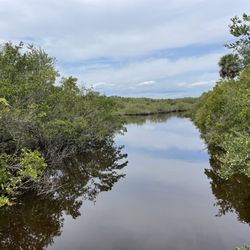
Looking for a place to hike in Sebastian I stumbled on this natural area I had never seen before. It is open 7:30 AM until sunset, year-round. It turns out this is a ten acre natural area that protects the extremely rare scrub environment that was formed on an ancient dune where the ocean used to meet the land. The elevation of this type of ecosystem is high making it the perfect place to build so consequently there is very little left of it in Florida. The lack of this kind of habitat is why the scrub jay is endangered. The land that has been preserved here is a refuge to the cute little blue birds that are the only bird species that lives exclusively in Florida. This park contains oak scrub and scrubby flatwoods which are the ideal scrub jay habitat. They do not migrate and rarely move more than a few miles from where they hatched. Now because of development, their habitats are very fragmented. I have never seen one in the wild and they are highly sought after by birders. If you are lucky you may come across one on the ground burying acorns. Signs in the park advise against feeding them. Since they are a federally protected species, and it is unlawful to feed or harass these birds. I had a fun hike here today even if I the trails in the park are still under development. The trails that are here are on sandy soil so they are not ADA accessible. There are no restrooms or water. There isn't even a parking lot. You kind of just pull over on the side of the road. I hope the little scrub jays are happy here. I am glad to know that they have a place where they are safe. read more


More info about Sebastian Scrub Conservation Area
1258 Schumann Dr
Sebastian, FL 32958
Directions
Visit Website
https://www.ircgov.com
Hours
Outdoor Amenities