Schloss Seehof Photos


Recommended Reviews - Schloss Seehof
Start your review...




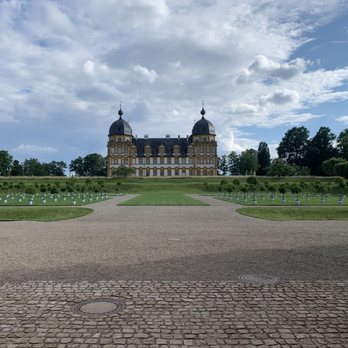


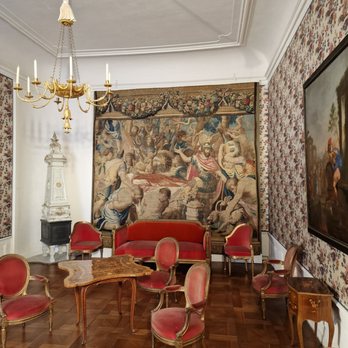
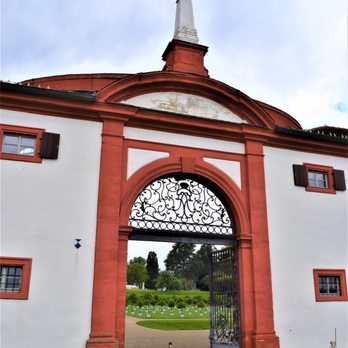
We returned here for the first time after leaving Bamberg in 2014. Unfortunately for us, the castle grounds seemed to be under extensive renovations (photos). We used to frequent this castle park and orangeries since it was only a few minutes drive away from our residence then, and we've been on a guided tour before. The majority of the castle is used by the Bavarian State Office for Monument Preservation today. Nine showrooms of the restored apartment of the prince-bishops are accessible to visitors including the "White Hall" with the virtuoso ceiling painting by Giuseppe Appiani. Schloß Seehof was built from 1686 as the summer residence and hunting lodge of the Bamberg prince-bishops according to plans by Antonio Petrini. Extensive renovation measures were necessary at the end of the 20th century. The restored cascade with its water features and some preserved sandstone sculptures by Ferdinand Tietz testify to the splendor of the former rococo garden. In 2008, Franconia celebrated 300 years of Ferdinand Tietz. At the end of the anniversary year of the greatest sculptor of the Franconian Rococo. Ferdinand Tietz (1708-1777), a native Bohemian, worked as a court sculptor for the Prince-Bishop of Bamberg and Würzburg from 1748. Adam Friedrich von Seinsheim commissioned him to furnish the garden of his summer residence Schloss Seehof with sculptures. Tietz created around 400 figures for this park. He used the easy-to-work reed sandstone, which was then painted with white paint to imitate marble or porcelain. For the sculpture program, Tietz brought the ancient world of gods down from the baroque Olympus and, thanks to his extremely lively imagination, gave it virtuoso form and movement. It's a very nice park to stroll around enjoying tree arches, hedges, water fountains (when not under reno), having a picnic, or just spend some quiet and peaceful time imagining what life must've been back in 18th century for the nobles. It's worth a visit when in this area. There's a flat-fee of 1€ for all-day parking. read more



More info about Schloss Seehof
Schloß Seehof 14
96117 Memmelsdorf
Germany
Directions
0951 409571
Call Now
Hours
Other Amenities