
Sam J Ervin Jr Photos


More like Sam J Ervin Jr
Recommended Reviews - Sam J Ervin Jr
Start your review...



2 months ago
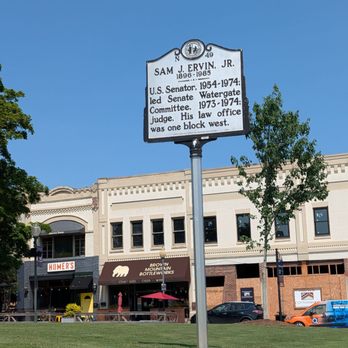
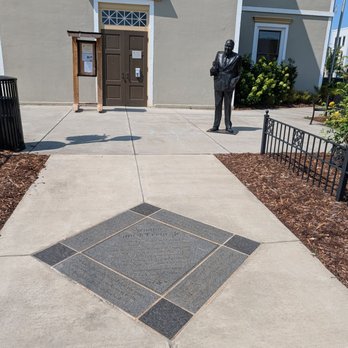
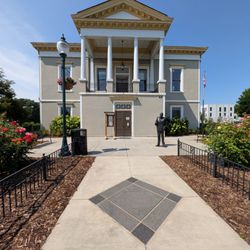
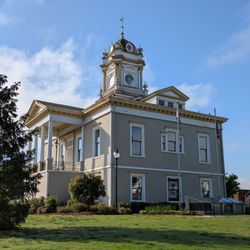
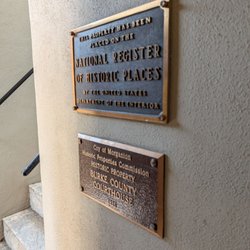
Who is Sam J. Ervin, Jr and why were a historical marker, a bronze statue and plaques on the sidewalk placed outside of the historic Burke County Courthouse in his honor? Sam J. Ervin Jr is considered a "Native Son" in Morganton, NC because he was born, raised, worked, and buried in the area. He was born in 1896 to a prominent attorney, Samuel James Ervin and Laura Theresa Powe. Long before the nation affectionately came to know him as "Senator Sam," he volunteered to serve in World War I a month before graduating from UNC-Chapel Hill in 1917. Erwin faced intense combat, serving on the front lines in France. He was wounded twice and earned two Purple Hearts. He also received the Distinguished Service Cross for extraordinary heroism and the Silver Star for gallantry in action during the capture and defense of Cantigny, and the French Fourragère, awarded by France for his unit's collective valor. Ervin Jr, considered himself a "country lawyer" even after graduating from Harvard Law School with honors. He also did law school backward, starting with Year 3 classes and finishing with Year 1 classes. "Senator Sam" is best known for presiding over the Watergate Hearings in 1973-1974 to protect American democracy from executive overreach, as he was a Constitutional Genius. When he retired from the Senate in 1974, Ervin moved back to Morganton, NC, so that he could practice law, write books, and live his life in the mountains with the community he loved. He was a member of the First Presbyterian Church and served as a Deacon and Elder. When visiting downtown Morganton, take a few minutes to read the marker, study the statue, and read the engravings. read more




This marker is located directly in front of the Burke County Courthouse and points out this local who was a lawyer here and went on to represent the state in Washington. It is marker number N-49 and it reads, "U.S. Senator, 1954-1974; led Senate Watergate Committee, 1973-1974; judge. His law office was one block west." It was erected in 2011 by the North Carolina Office of Archives an History. There is more information online. Ervin's career bridged the era when powerful Southern politicians shaped national politics. After service in World War I and years as a legislator and judge, he entered Congress twice by appointment, ultimately winning three full Senate terms. Ervin became nationally known for chairing the Watergate Committee in 1973‑74. A prolific speaker and writer on North Carolina history, he left behind an extensive body of work now housed at UNC‑Chapel Hill. His legacy, as described by historian Karl Campbell, reflects both his resistance to civil rights and the Equal Rights Amendment and his celebrated defense of civil liberties. [Review 544 of 2026 - 4639 in North Carolina - 25726 overall] read more
More info about Sam J Ervin Jr







Sam J Ervin Jr - landmarks - Updated October 2026
Best of Morganton
People found Sam J Ervin Jr by searching for…
Trending Searches in Morganton, NC
Apple Orchards near Sam J Ervin Jr
Apple Picking near Sam J Ervin Jr
Beautiful Views near Sam J Ervin Jr
Blow Dry Bar near Sam J Ervin Jr
Halloween Events near Sam J Ervin Jr
Haunted Houses near Sam J Ervin Jr
Hidden Gems near Sam J Ervin Jr
Historic Restaurants near Sam J Ervin Jr
Kids Birthday Party near Sam J Ervin Jr
Lookout Points near Sam J Ervin Jr
Makeup Artists near Sam J Ervin Jr
Photo Spots near Sam J Ervin Jr
Pick Your Own Farms near Sam J Ervin Jr
Places To Take Pictures near Sam J Ervin Jr
Pumpkin Patches near Sam J Ervin Jr
Browse Articles
Browse Nearby
BEST of Morganton, North Carolina Restaurants near Sam J Ervin Jr
BEST of Morganton, North Carolina Things to Do near Sam J Ervin Jr
BEST of Morganton, North Carolina Coffee near Sam J Ervin Jr
BEST of Morganton, North Carolina Parks near Sam J Ervin Jr
BEST of Morganton, North Carolina Hiking near Sam J Ervin Jr
BEST of Morganton, North Carolina Breakfast near Sam J Ervin Jr
BEST of Morganton, North Carolina Hotels near Sam J Ervin Jr
Browse Brands
Related Searches in Morganton, NC
Best Lookout Points to Visit in Morganton, North Carolina
Best Waterfalls and Swimming Holes in Morganton, North Carolina
Book Engaging Historical Tours in Morganton, North Carolina
Discover Charming Historic Homes in Morganton, North Carolina
Discover Dog Friendly Trails to Explore in Morganton, North Carolina
Discover Famous Monuments in Morganton, North Carolina
Discover Lakes & Ponds to Explore in Morganton, North Carolina
Discover Popular Photo Spots in Morganton, North Carolina
Discover the Best Caves to Explore in Morganton, North Carolina
Discover the Best Interactive Museum in Morganton, North Carolina
Discover the Best Planetarium Shows in Morganton, North Carolina
Enjoy the Best Family Activities in Morganton, North Carolina
Enjoy the Best Night View Spots in Morganton, North Carolina
Enjoy the Best Walking Trails in Morganton, North Carolina
Explore Beautiful Botanical Gardens in Morganton, North Carolina
Explore Beautiful Castles and Landmarks in Morganton, North Carolina
Explore Beautiful Parks and Green Spaces in Morganton, North Carolina
Explore Children's Museums Near Morganton, North Carolina
Explore Free Things to Do Around Morganton, North Carolina
Explore Fun Activities to Do in Morganton, North Carolina
Explore Fun Field Trips in Morganton, North Carolina
Explore Popular Scenic Overlook Points in Morganton, North Carolina
Explore Popular Scenic Views Near Morganton, North Carolina
Explore Popular View Points Around Morganton, North Carolina
Explore Secret Spots Worth Visiting in Morganton, North Carolina
Explore Sunday Fun Things to Do in Morganton, North Carolina
Explore Top Art Galleries Located in Morganton, North Carolina
Explore Venues & Event Spaces in Morganton, North Carolina
Explore the Top Car Museum in Morganton, North Carolina
Find Beautiful Views in Morganton, North Carolina
Find Parks and Recreation Activities in Morganton, North Carolina
Find Top Art Museums in Morganton, North Carolina
Find Top-Rated Waterfalls in Morganton, North Carolina Now
Find the Best Bridge Spots in Morganton, North Carolina
Find the Best Parks for Picnics in Morganton, North Carolina
Find the Best Playgrounds to Visit in Morganton, North Carolina
Hiking Trails With Waterfalls in Morganton, North Carolina
Must-See Tourist Attractions Around Morganton, North Carolina
Plan a Scenic Drive Route Near Morganton, North Carolina
Popular Picnic Spots to Visit in Morganton, North Carolina
Popular Places to Take Pictures in Morganton, North Carolina
Popular Things to Do in Morganton, North Carolina
Top Hiking Trails to Explore in Morganton, North Carolina
Top Places to Visit in Morganton, North Carolina for Sightseeing
Tour Famous Lighthouses Located in Morganton, North Carolina
Visit Beautiful Gardens in Morganton, North Carolina
Visit Popular Museums in Morganton, North Carolina Now
Visit a Free Museum Near You in Morganton, North Carolina
Where to Catch the Best Sunrise View in Morganton, North Carolina


