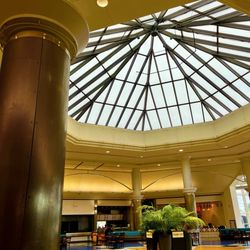
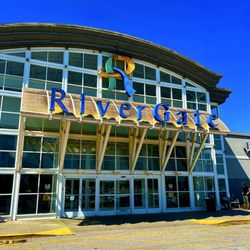
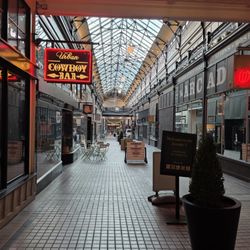
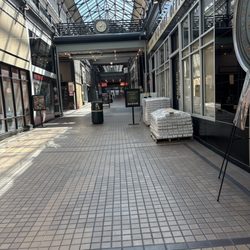
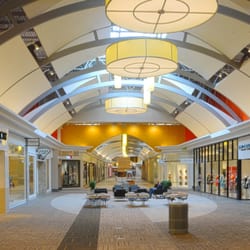
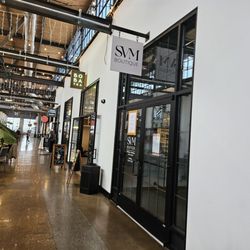
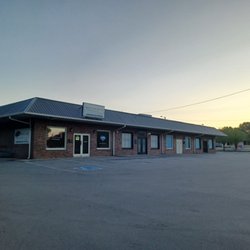
Dying almost empty but still have still have character…read more
The selection of stores are very limited but still offering a few good things so visor this place before renovations begin so you can see the before and after.
Rivergate Mall, located in Goodlettsville, Tennessee, is a super-regional shopping mall that opened in 1971. It features a gross leasable area of 1,129,035 square feet, with approximately 80 stores and restaurants, and a food court. The mall has two anchor stores, Dillard's and JCPenney, and previously housed Macy's and Sears. It is managed by Hendon Properties.
Rivergate Mall is currently undergoing a major redevelopment project that will transform it into a dynamic, mixed-use destination featuring retail, restaurants, townhomes, market-rate multifamily housing, independent senior living, and transit-oriented features. The redevelopment includes a significant expansion of the mall's portion within Goodlettsville city limits, from 33% to an estimated 60%-70%.
The demolition of the existing mall structure is expected to begin in the late summer of 2025. The project is projected to generate approximately $1.5 million in annual sales tax revenue for Goodlettsville upon completion.
Rivergate Mall was built by Retail Planning Corporation and opened on October 6, 1971. It was the largest mall in Tennessee until the opening of Hickory Hollow Mall in 1978. Over the years, the mall has seen changes in ownership and anchor stores, with the closure of Sears in 2019 and Macy's in 2020.
The mall's revitalization efforts come amidst a decline in popularity, attributed in part to the rise of online shopping and competition from other retail centers. The pandemic also impacted the mall, with some employees noting that it never fully recovered from pandemic-related changes in hours and operations.
The redevelopment project aims to revitalize the Rivergate area and enhance the quality of life for the community. While the transformation promises economic benefits and a modernized environment, it also brings uncertainty for the employees of the remaining stores, as many worry about their future employment prospects.